Pet Safe Houseplants: Non-Toxic Plants for Cats & Dogs
Introduction: Can Greenery and Pets Safely Coexist?
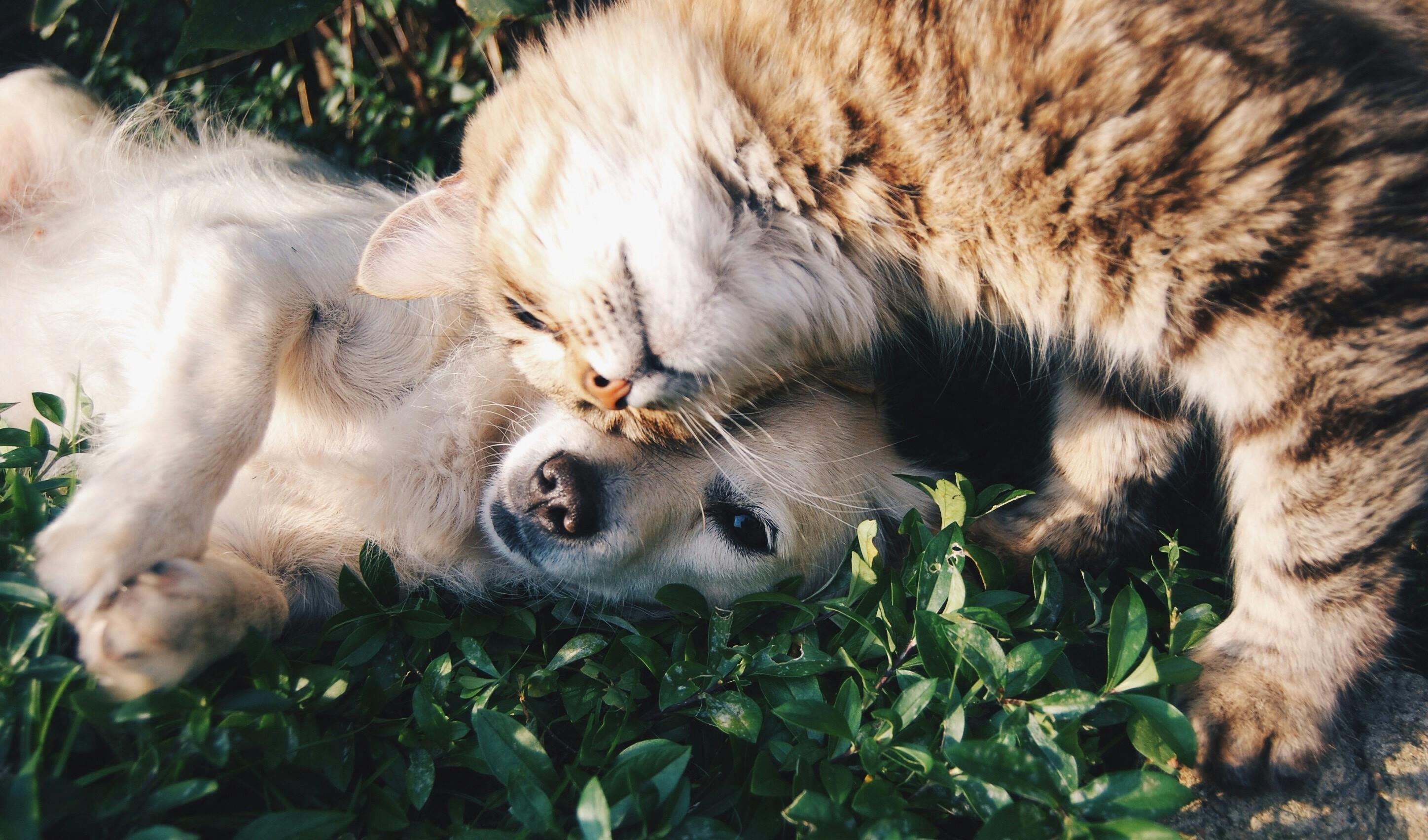
You love the lush, vibrant energy that houseplants bring to your home, but every time you bring a new leafy friend inside, your cat takes a curious nibble or your dog noses around its base. That beautiful plant you just bought could secretly be a source of anxiety. According to the ASPCA Animal Poison Control Center, they receive tens of thousands of calls each year related to pets ingesting potentially toxic plants. This fear of poisoning your beloved companion can make bringing nature indoors feel like a risky gamble.
The wonderful news is that you don't have to choose between a green home and a safe one. There is a wide array of beautiful, popular, and easy-to-grow plants that are officially classified as non-toxic to both cats and dogs. This guide is your curated list of the best pet safe houseplants. You'll learn about six stunning varieties, their simple care requirements, and how to create a thriving indoor oasis that brings you peace of mind along with its beauty. Let's grow a home that's safe for every member of your family.
Understanding "Non-Toxic" and Proactive Safety
First, a crucial distinction: "non-toxic" means the plant is not expected to cause serious illness or death if ingested. However, any plant material can cause mild stomach upset or mechanical irritation (like a scratchy throat) in pets. The best practice is to still discourage chewing through training and strategic placement.
Pro Tips for a Pet-Friendly Plant Home
- Use Deterrents: A light spritz of a bitter-tasting, pet-safe spray on leaves can discourage nibbling.
- Elevate Your Plants: Use hanging planters, high shelves, or tall plant stands to keep tempting leaves out of reach.
- Provide an Alternative: Grow a small pot of cat grass (wheatgrass) as a designated, safe nibbling zone for your feline friend.
Always keep the 21 indoor plants safe for cats and dogs guide from Love That Leaf and your vet's number handy, just in case. For more on pet safety, our article on Safe Indoor Plants features several pet-friendly options. You might also want to explore the 10 best air purifying plants, many of which are safe and effective.
Top 6 Non-Toxic Plants for Pet-Friendly Homes
These plants are selected for their safety, beauty, and adaptability to typical home conditions.
1. The Graceful Parlor Palm (Chamaedorea elegans)
This classic palm adds a soft, tropical feel with its delicate, arching fronds. It's slow-growing and perfectly happy in lower light conditions.
- Pet Safety: Non-toxic to cats and dogs (ASPCA).
- Care: Bright, indirect light. Water when the top inch of soil is dry. Enjoys humidity.
- Difficulty: Easy
2. The Colorful Prayer Plant (Maranta leuconeura)
Famous for its stunningly patterned leaves that close upward at night like praying hands. It's a safe and fascinating choice.
- Pet Safety: Non-toxic to cats and dogs (ASPCA).
- Care: Medium to bright, indirect light. Keep soil consistently moist (not soggy) and provide high humidity.
- Difficulty: Moderate
3. The Trailing Swedish Ivy (Plectranthus verticillatus)
Not a true ivy (which are toxic), this fast-growing plant has lovely rounded, scalloped leaves and looks beautiful spilling from a hanging basket.
- Pet Safety: Non-toxic to cats and dogs (ASPCA).
- Care: Bright, indirect light. Water when the top of the soil feels dry. Pinch back tips to encourage bushiness.
- Difficulty: Very Easy
4. The Textural Peperomia (Various species like P. obtusifolia)
With hundreds of varieties, Peperomias offer incredible diversity in leaf shape and color (rippled, striped, solid). They are compact and charming.
- Pet Safety: Non-toxic to cats and dogs (ASPCA).
- Care: Medium to bright, indirect light. Water only when the soil is quite dry—they are semi-succulent.
- Difficulty: Easy
5. The Unique Spider Plant (Chlorophytum comosum)
An absolute classic for a reason. Its arching green and white striped leaves produce "spiderettes" or "pups" on long runners, which are easy to propagate.
- Pet Safety: Non-toxic to cats and dogs. Note: It has mild hallucinogenic properties for cats (like catnip) but is not harmful.
- Care: Adaptable to various light conditions. Water when the top few inches of soil are dry.
- Difficulty: Very Easy
6. The Velvety African Violet (Saintpaulia)
For those craving flowers, African Violets are safe and bloom repeatedly with proper care, offering lovely pops of purple, pink, or white.
- Pet Safety: Non-toxic to cats and dogs (ASPCA).
- Care: Bright, indirect light. Water from the bottom (place pot in a saucer of water) to avoid crown rot.
- Difficulty: Moderate
Creating Your Safe & Stylish Plant Display
Project: Pet-Safe Hanging "Jungle" Corner. Timeline: 1-2 hours. Cost: ~$75. Difficulty: Easy.
- Select 2-3 macramé hangers or ceiling hooks for a sunny corner.
- Choose a mix of textures: a Spider Plant and Swedish Ivy for trailing, and a Prayer Plant for colorful foliage.
- Plant each in a lightweight plastic nursery pot with drainage, then place inside the hanger.
- Use a small step stool for watering to keep plants safely elevated. This setup adds vertical interest and keeps all greenery out of paws' reach.
Frequently Asked Questions (FAQ)
Q: Are succulents like Haworthia or Echeveria safe for pets?
A> Many popular succulents, including Haworthia, Echeveria, and Sempervivum (Hens and Chicks), are non-toxic. However, some, like many Euphorbias and certain Aloes, are toxic. Always verify the specific species with the ASPCA list before bringing it home.
Q: My pet ate a leaf from a "safe" plant and seems sick. What should I do?
A> Contact your veterinarian or the ASPCA Animal Poison Control Center (888-426-4435) immediately. Even non-toxic plants can cause gastrointestinal upset, vomiting, or diarrhea if ingested in large quantities, or could have been treated with pesticides.
Q: Is the popular Boston Fern safe?
A> Yes! The true Boston Fern (Nephrolepis exaltata) is non-toxic to cats and dogs and makes a wonderful, full hanging plant.
Q: What are some common houseplants I should absolutely avoid?
A> Highly toxic plants to keep away from pets include Lilies (extremely toxic to cats), Sago Palm, Dieffenbachia, Philodendron, Pothos, and ZZ Plant. When in doubt, check the ASPCA database.
Conclusion: Cultivate a Home of Harmony and Safety
Choosing pet safe houseplants is an act of love for your entire household. By selecting from this list of proven, non-toxic beauties like the Parlor Palm, Prayer Plant, and Spider Plant, you can confidently fill your space with life-giving greenery. Remember, a combination of smart plant choices, strategic placement, and a little training allows pets and plants to live together in perfect, peaceful harmony. Don't let fear hold you back from creating your indoor jungle. Start with one safe plant this weekend, and watch your home—and your heart—grow a little fuller.

About the Author
Sage Avery is a plant care writer and home horticulture enthusiast with over seven years of hands-on growing experience across indoor tropicals, companion gardens, and balcony food gardens. Growing in USDA Zone 7, Sage has tested dozens of soil mixes, propagation methods, and companion planting combinations and writes from real results, not just theory. Every guide at Plant Companion Guide is written to help beginners avoid the mistakes that cost plants their lives.