10 Best Air Purifying Plants
Breathable Bliss: Why Your Home Needs Greenery
In our modern world, we spend a staggering 90% of our time indoors. While we often worry about outdoor smog, the air inside our homes can be up to five times more polluted. Volatile Organic Compounds (VOCs) like formaldehyde, benzene, and trichloroethylene off-gas from our furniture, carpets, and even cleaning products, leading to what experts call 'Sick Building Syndrome.' This often manifests as persistent headaches, fatigue, and respiratory irritation. The solution, however, is a beautiful and sustainable one: air purifying plants. In this comprehensive guide, we will explore the science behind NASA’s Clean Air Study, provide detailed care guides for the top ten plants air purifying your sanctuary, and offer practical DIY tips for the environmentally conscious homeowner. For a deeper look into indoor pollutants, the NASA compiles list of best plants to clean indoor air is a vital resource.
The Science: How Plants Scrub Your Air
In 1989, NASA conducted its landmark Clean Air Study to determine how to keep the air in space stations breathable. They found that certain houseplants don't just produce oxygen; they act as biological filters. Through their leaves and roots, these plants absorb harmful chemicals and break them down into harmless organic compounds. According to subsequent research from the American Society for Horticultural Science, the soil's microorganisms also play a vital role in this detoxification process. For the urban dweller or beginner gardener, choosing the right species means creating a self-sustaining air filtration system that works 24/7 without a power outlet.
1. The Resilient Snake Plant (Sansevieria)
The Nighttime Oxygen Producer
- Difficulty Rating: 1/10 (Beginner Friendly)
- Cost: $15 - $40
- Primary Toxins Removed: Formaldehyde, Benzene, Xylene
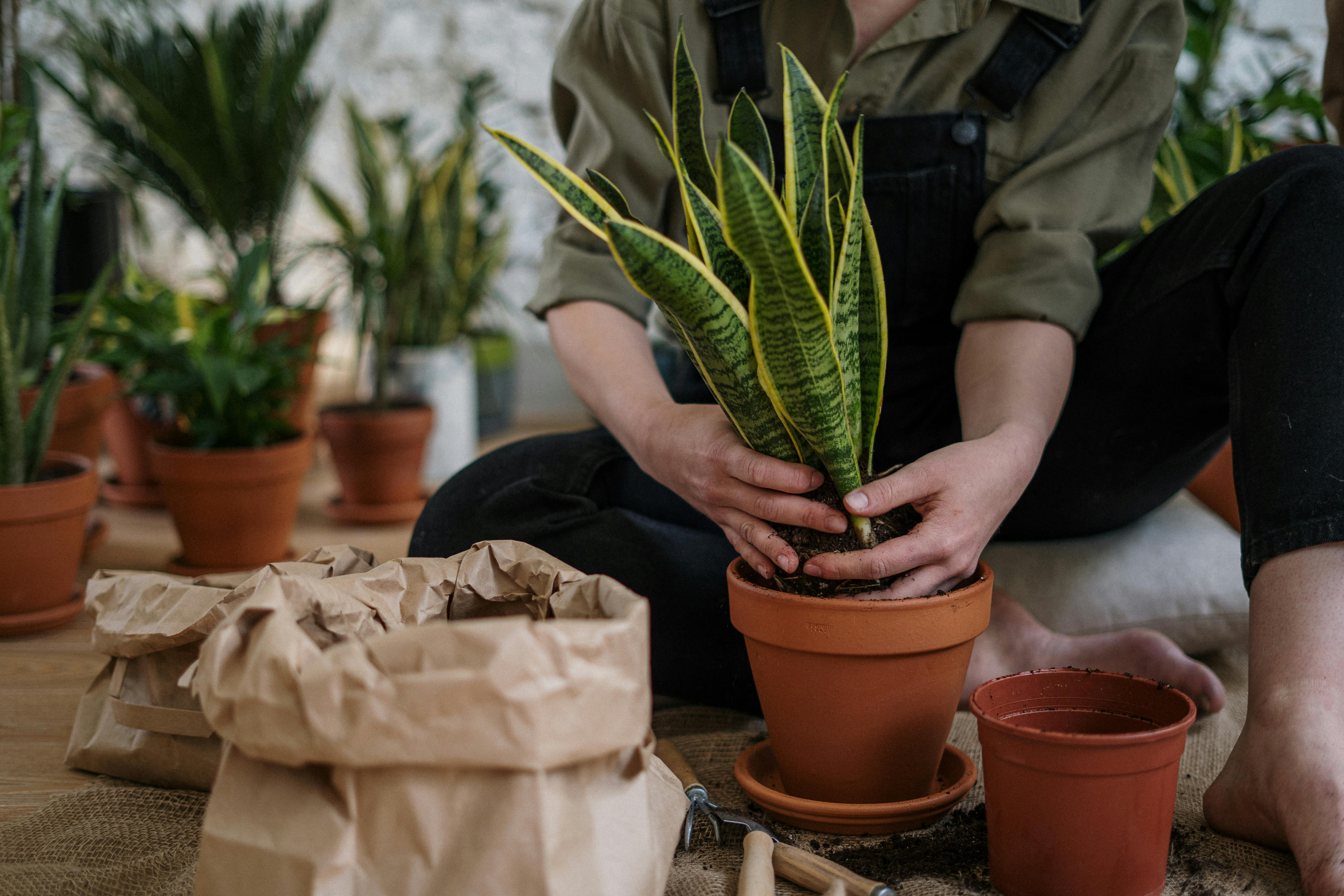
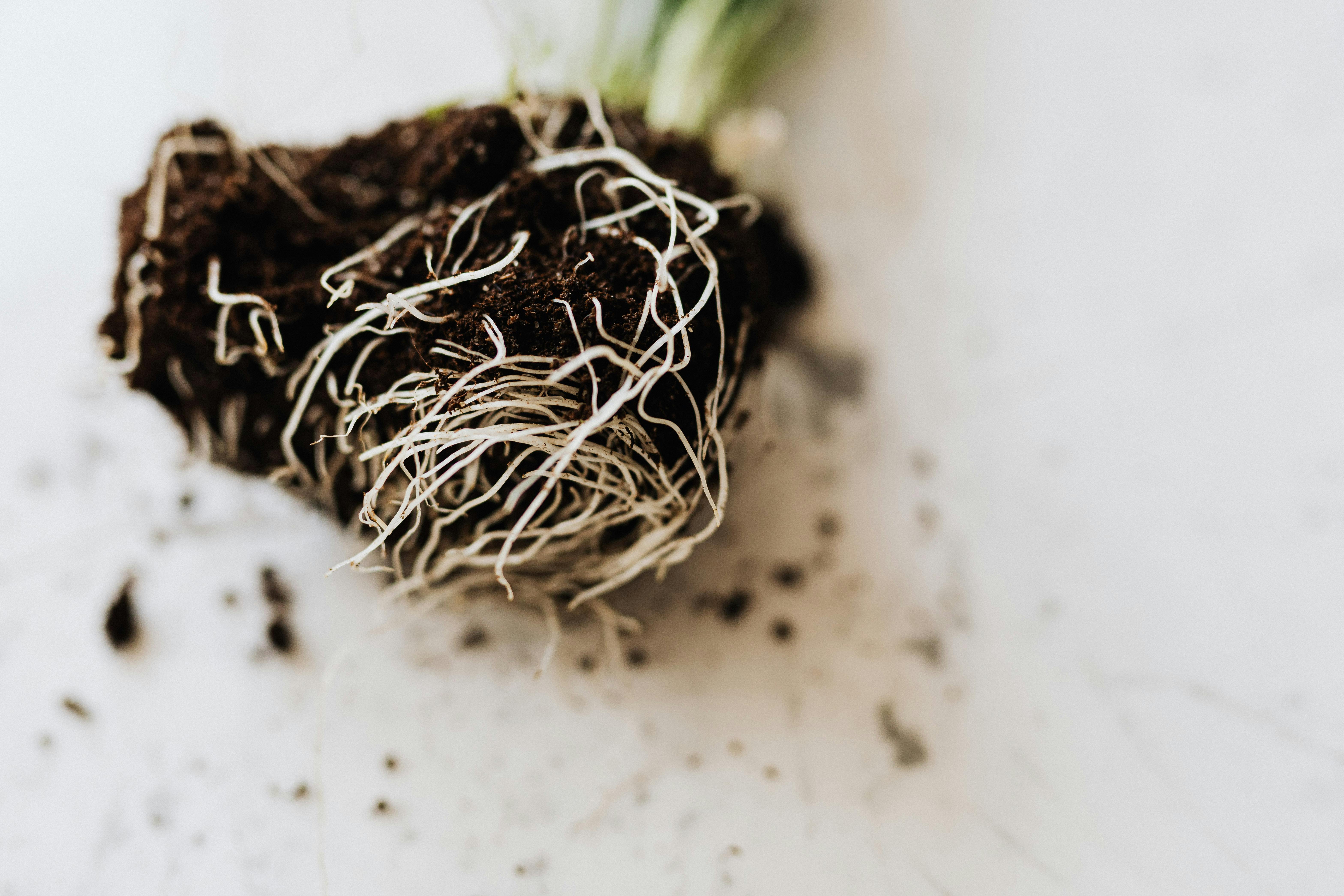
The Snake Plant is arguably the best entry point for any gardener. Known for its architectural, sword-like leaves, it is unique because it converts CO2 into oxygen at night, whereas most plants do so during the day. This makes it an essential addition to the bedroom. Local Adaptation: It thrives in almost any light condition but is prone to root rot. Use a well-draining cactus mix to ensure sustainability and longevity.
2. Spider Plant (Chlorophytum comosum)
The Survivor’s Choice
- Difficulty Rating: 2/10
- Cost: $10 - $25
- Primary Toxins Removed: Carbon Monoxide, Formaldehyde
If you are a beginner who fears a 'black thumb,' the Spider Plant is your best friend. It is incredibly tough and safe for households with pets. Project Timeline: Within six months of maturity, it will produce 'pups'—small plantlets on long stems. You can propagate these in water to expand your indoor forest for free, embodying a truly circular, sustainable gardening practice.
3. Peace Lily (Spathiphyllum)
The Elegant Deep-Cleaner
- Difficulty Rating: 4/10
- Cost: $20 - $50
- Primary Toxins Removed: Ammonia, Acetone, Alcohols
The Peace Lily is a powerhouse of plants air purifying abilities. It ranks near the top of NASA's list for its ability to neutralize common household chemicals. However, it is a 'drama queen'—it will visibly wilt when thirsty, which actually serves as a helpful reminder for the forgetful owner. Safety Note: Keep this away from pets and small children as it is toxic if ingested.
4. Aloe Vera
The Healing Succulent
- Difficulty Rating: 3/10
- Cost: $10 - $30
- Primary Toxins Removed: Benzene, Formaldehyde
Most know Aloe for its skin-healing gel, but it is also a fantastic air filter. It prefers sunny windowsills, making it perfect for kitchen environments. An interesting DIY tip: if the air in your home is highly polluted, the leaves may develop brown spots, acting as a natural bio-monitor for your indoor environment.
5. Golden Pothos (Epipremnum aureum)
The Efficient Vine
- Difficulty Rating: 1/10
- Cost: $15 - $35
- Primary Toxins Removed: Toluene, Formaldehyde, Benzene
Often called 'Devil's Ivy' because it is so hard to kill, the Pothos is ideal for high shelves or hanging baskets. This maximizes the vertical space in small urban apartments while providing a lush green canopy that filters the air. It stays green even when kept in near-darkness, making it highly adaptable to various home layouts.
6. English Ivy (Hedera helix)
The Mold Fighter
- Difficulty Rating: 5/10
- Cost: $15 - $30
- Primary Toxins Removed: Airborne Mold, Fecal Particles
Research has shown that English Ivy can significantly reduce the amount of airborne mold in a room. This makes it an excellent choice for bathrooms or older homes prone to dampness. Sustainability Tip: While beautiful indoors, keep it contained in pots, as it can be invasive if planted directly into your outdoor local ecosystem.
7. Bamboo Palm (Chamaedorea seifrizii)
The Natural Humidifier
- Difficulty Rating: 4/10
- Cost: $40 - $100
- Primary Toxins Removed: Trichloroethylene, Benzene
The Bamboo Palm brings a tropical feel to your living room. Beyond its air-cleaning properties, it transpires a large amount of moisture into the air, which is a blessing during dry winter months when heaters are running. It prefers bright, indirect light and should be kept consistently moist.
8. Rubber Plant (Ficus elastica)
The Heavyweight Scrubber
- Difficulty Rating: 4/10
- Cost: $25 - $60
- Primary Toxins Removed: Formaldehyde
With its thick, dark green leaves, the Rubber Plant is built for absorption. It is particularly effective at removing toxins from furniture finishes and floor treatments. Care Tip: To keep its air-purifying efficiency high, wipe the dust off the large leaves once a week with a damp cloth so the 'pores' can breathe freely.
9. Dracaena Reflexa
The Versatile Perennial
- Difficulty Rating: 5/10
- Cost: $30 - $70
- Primary Toxins Removed: Xylene, Trichloroethylene
This plant is striking with its red-edged or variegated leaves. It is a slow grower, making it a great long-term investment for your home. It can grow quite large, acting as a statement piece in a DIY home office setup. Warning: Like the Peace Lily, it is toxic to cats and dogs.
10. Chrysanthemum (Florist's Mum)
The Seasonal Specialist
- Difficulty Rating: 7/10
- Cost: $10 - $20
- Primary Toxins Removed: Ammonia, Benzene, Formaldehyde
While often treated as a temporary floral decoration, the 'Mum' is actually one of the top-performing air purifying plants tested by NASA. To get the most out of it, place it in a spot with plenty of direct sunlight. While it is harder to keep alive long-term indoors compared to a Snake Plant, its efficiency during its blooming cycle is unmatched.
Sustainability and Community Growth
Choosing to garden indoors is a commitment to your health and the environment. To keep your hobby sustainable, avoid plastic pots when possible—opt for terracotta or upcycled containers. Use organic fertilizers to ensure you aren't introducing new chemicals into the air you are trying to clean. Many local communities have 'plant libraries' or swap meets where you can trade cuttings. This not only saves money but fosters a community-oriented approach to growth, allowing you to share the gift of clean air with neighbors and friends.
Frequently Asked Questions
How many plants do I need for clean air?
According to NASA’s recommendations, you should aim for at least one medium-sized plant for every 100 square feet of indoor space. For a standard living room, 2-3 plants should suffice.
Do these plants work if I have an air purifier?
Absolutely. Think of plants as a complementary system. While mechanical purifiers are great at catching dust and dander, plants air purifying capabilities are specialized for gaseous toxins (VOCs) that filters often miss.
Which plant is best for a dark apartment?
The Snake Plant and the ZZ Plant are the champions of low-light environments. They will continue to filter toxins even if they are far from a window.
Conclusion
Transforming your home into a breathable sanctuary doesn't require an expert's touch—just a bit of passion and the right selection of air purifying plants. By integrating these NASA-approved species, you are taking a proactive, DIY step toward a healthier lifestyle and a more sustainable home. Whether you start with a single Pothos on a shelf or a tall Bamboo Palm in the corner, every leaf counts toward cleaner air. Are you ready to pick up your first plant? I can help you find a local nursery or suggest the best organic soil mix to get you started.
About the Author
Sage Avery is a plant care writer and home horticulture enthusiast with over seven years of hands-on growing experience across indoor tropicals, companion gardens, and balcony food gardens. Growing in USDA Zone 7, Sage has tested dozens of soil mixes, propagation methods, and companion planting combinations and writes from real results, not just theory. Every guide at Plant Companion Guide is written to help beginners avoid the mistakes that cost plants their lives.