5 Best Indoor Low-Light Plants
Introduction: Bringing Life to Your Shadowy Corners
Does your home have that one corner, that north-facing room, or that hallway that feels too dark and dreary for anything to grow? You're not alone. Many budding plant parents face the frustration of limited natural light, leading to a graveyard of wilted, leggy, and disappointed plants. It's disheartening, and it can make you feel like you just don't have a "green thumb." But what if the problem wasn't you, but the plants you were choosing?
The joyful solution is to work with your space, not against it. Nature has provided us with a wonderful array of resilient plants that have evolved to thrive on the forest floor, beneath canopies with dappled sunlight. This article will introduce you to the absolute best indoor plants for low light—proven survivors that will bring lush, vibrant greenery to your home without demanding a sunny windowsill. You'll learn not just which plants to choose, but their simple, foolproof care routines to ensure they not only survive but flourish.
What "Low Light" Really Means for Your Plants
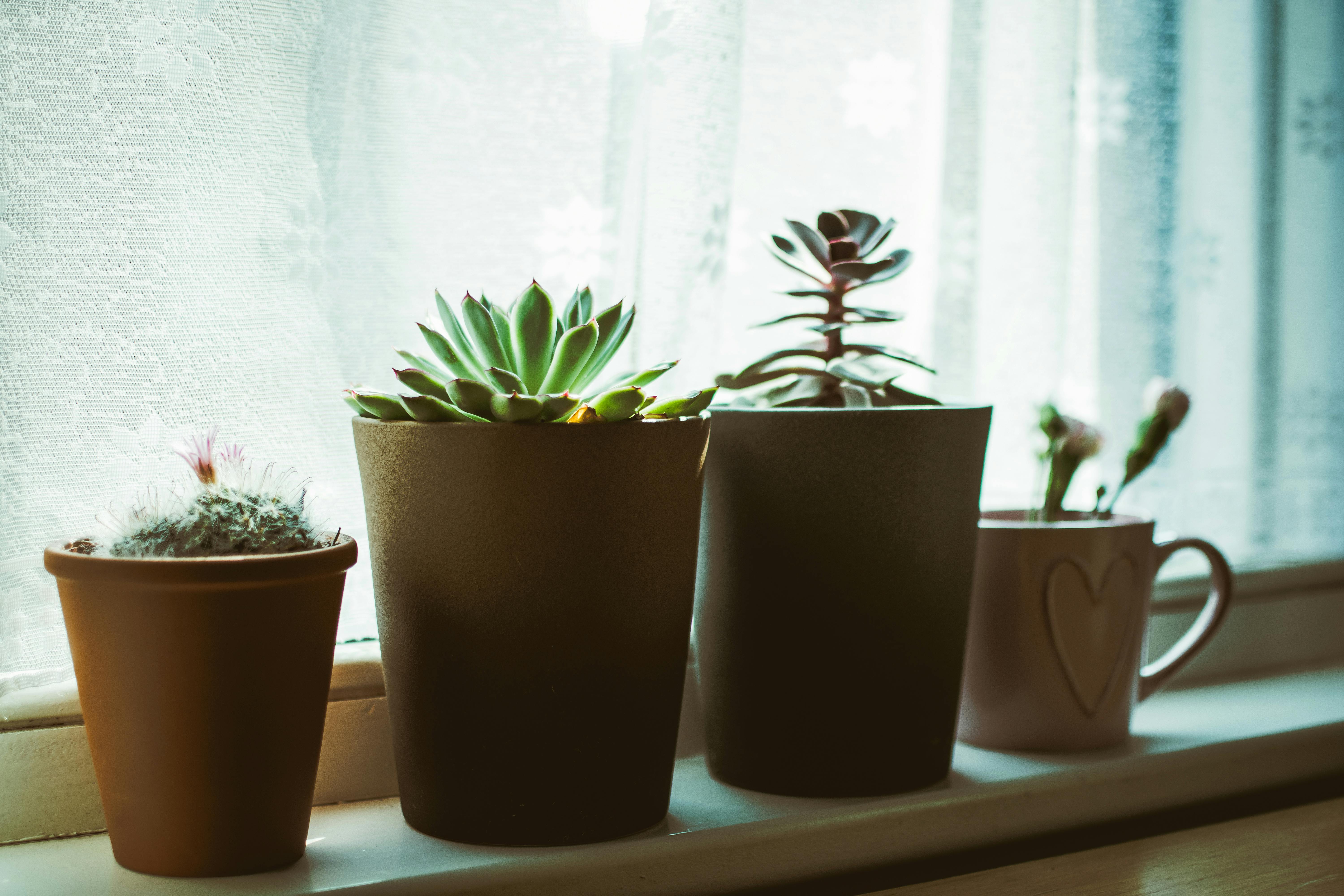
Before we meet our leafy companions, let's demystify "low light." In gardening terms, low light doesn't mean no light. It generally refers to a spot that receives no direct sunlight, but plenty of bright, indirect light (like near a north-facing window), or consistent ambient light from a well-lit room. A simple test: if you can comfortably read a book in that spot during the day without turning on a lamp, most low-light plants will be happy there.
The Golden Rule: Water Less in Low Light
This is the most important care tip you'll learn. Plants in low light grow more slowly and thus use water at a much slower rate. Overwatering is the #1 killer of indoor plants, especially in low-light conditions. Always check the soil moisture before watering. Stick your finger about an inch into the potting mix—if it feels dry, it's time to water; if it's still damp, wait. When you do water, water thoroughly until it runs out the drainage hole, then let the plant drain completely.
Top 5 Low-Light Champions: Care Guides for Success
Here are five of the most adaptable and beautiful low-light plants, selected for their proven tolerance and forgiving nature. Each is a beginner's dream.
1. The Unkillable ZZ Plant (Zamioculcas zamiifolia)
If you want a plant that radiates confidence, the ZZ is your champion. Its glossy, waxy leaves store water in their thick rhizomes (potato-like roots), making it incredibly drought-tolerant.
- Light: Thrives in very low, indirect light. Can tolerate fluorescent office lighting.
- Water: Water only when the soil is completely dry, about every 3-4 weeks. Less in winter. It's better to underwater than overwater.
- Why It's a Best Pick: NASA's Clean Air Study noted its air-purifying qualities. It's virtually pest-free and adds a modern, architectural look. For detailed care and botanical info, visit The Spruce Snake Plant Care Guide.
- Difficulty: Very Easy
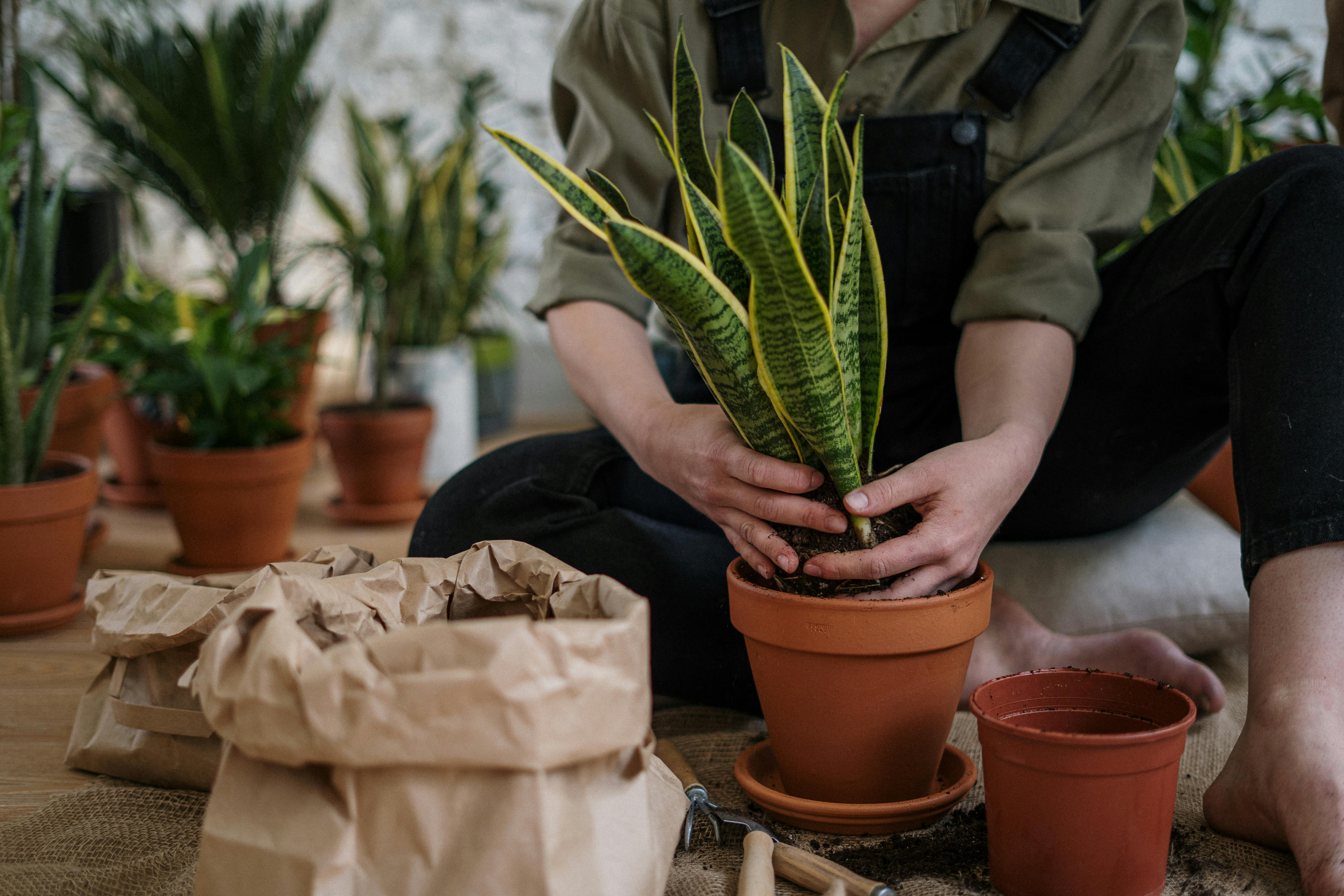
2. The Graceful Snake Plant (Sansevieria / Dracaena trifasciata)
Also known as Mother-in-Law's Tongue, this plant is a timeless classic for a reason. Its upright, sword-like leaves come in many striking varieties, like the yellow-edged 'Laurentii' or cylindrical 'Sansevieria cylindrica'.
- Light: Extremely adaptable. Does well in low light but can also handle some direct sun.
- Water: Treat it like a succulent. Let the soil dry out completely between waterings. In low light, watering once a month is often plenty.
- Why It's a Best Pick: It's a champion oxygen producer, releasing oxygen at night (unlike most plants). It's also incredibly long-lived and propagates easily.
- Difficulty: Very Easy
For more on propagation, see the Penn State Extension Home Gardening Resources.
3. The Lush & Forgiving Pothos (Epipremnum aureum)
Pothos, or Devil's Ivy, is the perfect plant for adding cascading greenery to a shelf or bookcase. Its heart-shaped, marbled leaves grow quickly on long vines, even in less-than-ideal light.
- Light: Low to bright, indirect light. In very low light, the variegation (white/yellow markings) may fade to solid green, but the plant will remain healthy.
- Water: Water when the top 1-2 inches of soil feel dry. The leaves will droop noticeably when thirsty, giving you a clear signal.
- Why It's a Best Pick: It's a fast grower that provides instant gratification. You can easily trim the vines and root the cuttings in water to make more plants for friends.
- Difficulty: Easy
4. The Textural Peace Lily (Spathiphyllum)
For those wanting a plant that flowers in low light, the Peace Lily is a miracle. Its glossy green leaves and elegant white blooms (actually a specialized leaf called a spathe) bring a touch of serenity to any space.
- Light: Prefers medium to low, indirect light. Too much direct sun can scorch its leaves.
- Water: Keep the soil consistently moist but not soggy. It is famously dramatic—when it needs water, the entire plant will droop dramatically, then perk back up within hours of a good drink.
- Why It's a Best Pick: It's a beautiful flowering option for darker spaces and is another top-rated air purifier from the NASA study.
- Difficulty: Easy to Moderate
5. The Feathery Parlor Palm (Chamaedorea elegans)
This palm brings a soft, tropical feel with its delicate, arching fronds. It's a slow grower, especially in low light, but is remarkably tolerant and non-toxic to pets.
- Light: Low to medium, indirect light. Avoid direct sun, which will burn its fronds.
- Water: Water when the top inch of soil is dry. It appreciates higher humidity, so misting the fronds occasionally or placing it on a pebble tray will keep it happy.
- Why It's a Best Pick: It adds wonderful texture and movement to a plant collection and is pet-friendly. Its compact size makes it perfect for tabletops.
- Difficulty: Easy
Frequently Asked Questions (FAQ)
Q: Will these plants really grow, or just "survive," in low light?
A> They will grow, but at a slower, more manageable pace. In low light, energy for growth is limited, so you won't see the explosive growth you would in a south-facing window. This can be a benefit—it means less frequent repotting and pruning! They will maintain their health and add beautiful foliage to your space.
Q: Can I use a grow light for my low-light plants?
A> Absolutely! A simple, energy-efficient LED grow light bulb in a desk lamp can work wonders if you want to boost growth or if you have a room with almost no natural light. Use it for 6-8 hours a day to supplement.
Q: What's the best potting mix for these plants?
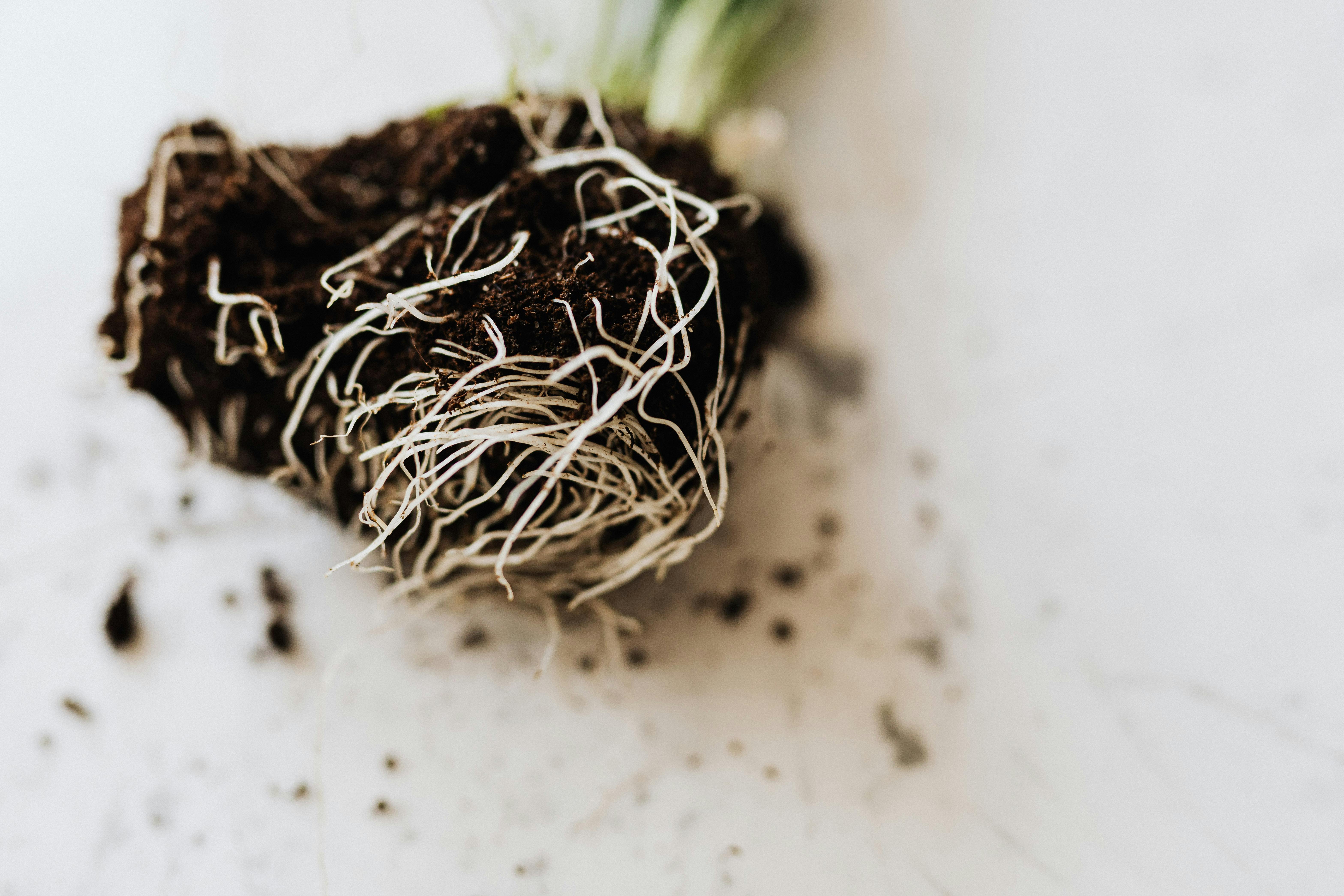
A> A well-draining, general-purpose potting mix is perfect. For Snake Plants and ZZ Plants, you can mix in some perlite or orchid bark (about 25% by volume) to increase drainage and prevent root rot. Avoid heavy, moisture-retentive soils.
Q: How do I know if my plant is getting too little light?
A> Watch for tell-tale signs: very slow or no new growth, leaves turning a paler green or yellow, increased space between leaves on vines ("legginess"), and the plant leaning or stretching dramatically toward the light source.
Conclusion: Your Low-Light Jungle Awaits
Embracing the best indoor plants for low light is the key to unlocking a thriving indoor garden, no matter your home's layout. By starting with these five resilient champions—the sturdy ZZ, the architectural Snake Plant, the cascading Pothos, the blooming Peace Lily, and the feathery Parlor Palm—you're setting yourself up for success. Remember the core principles: understand your light, water less frequently than you think, and choose plants suited to your conditions. Now, take that first step. Visit your local nursery, pick one of these forgiving beauties, and bring a breath of fresh, leafy life into your home today. Your green thumb is about to be discovered.

About the Author
Sage Avery is a plant care writer and home horticulture enthusiast with over seven years of hands-on growing experience across indoor tropicals, companion gardens, and balcony food gardens. Growing in USDA Zone 7, Sage has tested dozens of soil mixes, propagation methods, and companion planting combinations and writes from real results, not just theory. Every guide at Plant Companion Guide is written to help beginners avoid the mistakes that cost plants their lives.