Best Plants for Purifying Air According to NASA
Introduction: The Science of a Breathable Home
You strive to create a healthy home environment, but with invisible pollutants like formaldehyde from furniture or benzene from cleaning products, it can feel like an uphill battle. Relying solely on opening windows isn't always practical due to weather, allergies, or outdoor pollution. This leaves many of us wondering if the air inside our own homes is secretly working against our well-being.
In the late 1980s, NASA scientists asked a similar question while seeking solutions for maintaining air quality in sealed spacecraft. Their groundbreaking research, published in the NASA Clean Air Study, identified a list of common houseplants that are exceptionally effective at scrubbing toxic chemicals from the air. A July 2025 report revisiting this science provides a modern appraisal of these findings. This isn't trendy wellness speculation; it's solid botany backed by a space agency. In this article, we'll translate NASA's famous study into a practical guide for your home. You'll discover the specific best plants for purifying air according to the research, learn what they actually remove, and get clear, simple care instructions to keep these natural air filters thriving.
Decoding the NASA Clean Air Study
The 1989 study, led by Dr. B.C. Wolverton, tested the ability of a dozen common plants to remove volatile organic compounds (VOCs) from a sealed chamber. The results were clear: plants don't just produce oxygen; they actively absorb harmful gases through their leaves and roots.
Key Pollutants They Tackle
- Formaldehyde: Found in plywood, particleboard, carpeting, insulation, and some fabrics.
- Benzene: Present in plastics, synthetic fibers, lubricants, dyes, detergents, and tobacco smoke.
- Trichloroethylene (TCE): Used in paints, adhesives, inks, and varnishes.
- Xylene & Ammonia: Found in printing, rubber, leather, and cleaning products.
The study emphasized that for plants to be effective in a home, you need a "living system"—healthy plants in adequate numbers, paired with activated carbon filters (which exist naturally in the potting soil). For more on creating this system, see our guide on Building a Bioactive Plant Filter. For a practical list of top picks, check out our guide to the Top 10 air-purifying indoor plants.
NASA's All-Star Air Purifying Plants
Here are the top performers from the study, chosen for their high removal rates and home-growing viability.
1. The Champion: Bamboo Palm (Chamaedorea seifrizii)
This palm topped the list for its broad-spectrum filtering, particularly effective against formaldehyde, benzene, and TCE.
- NASA's Notes: Excellent all-around remover.
- Care: Bright, indirect light. Keep soil evenly moist. Prefers higher humidity.
- Difficulty: Moderate
2. The Florist's Favorite: Gerbera Daisy (Gerbera jamesonii)
A surprise entry! This colorful flowering plant was highly effective at removing benzene, often associated with inks and synthetic fibers.
- NASA's Notes: Excellent for benzene removal.
- Care: Needs bright, direct light (a south window) to bloom. Keep soil moist but well-drained.
- Difficulty: Moderate (due to light needs)
3. The Office Workhorse: English Ivy (Hedera helix)
This versatile vine showed high efficiency in removing formaldehyde, benzene, and TCE. Ideal for hanging baskets or topiary forms.
- NASA's Notes: Most effective plant for removing formaldehyde.
- Care: Adaptable. Bright, indirect light is best. Let soil dry slightly between waterings.
- Important Note: Toxic to pets if ingested.
- Difficulty: Easy
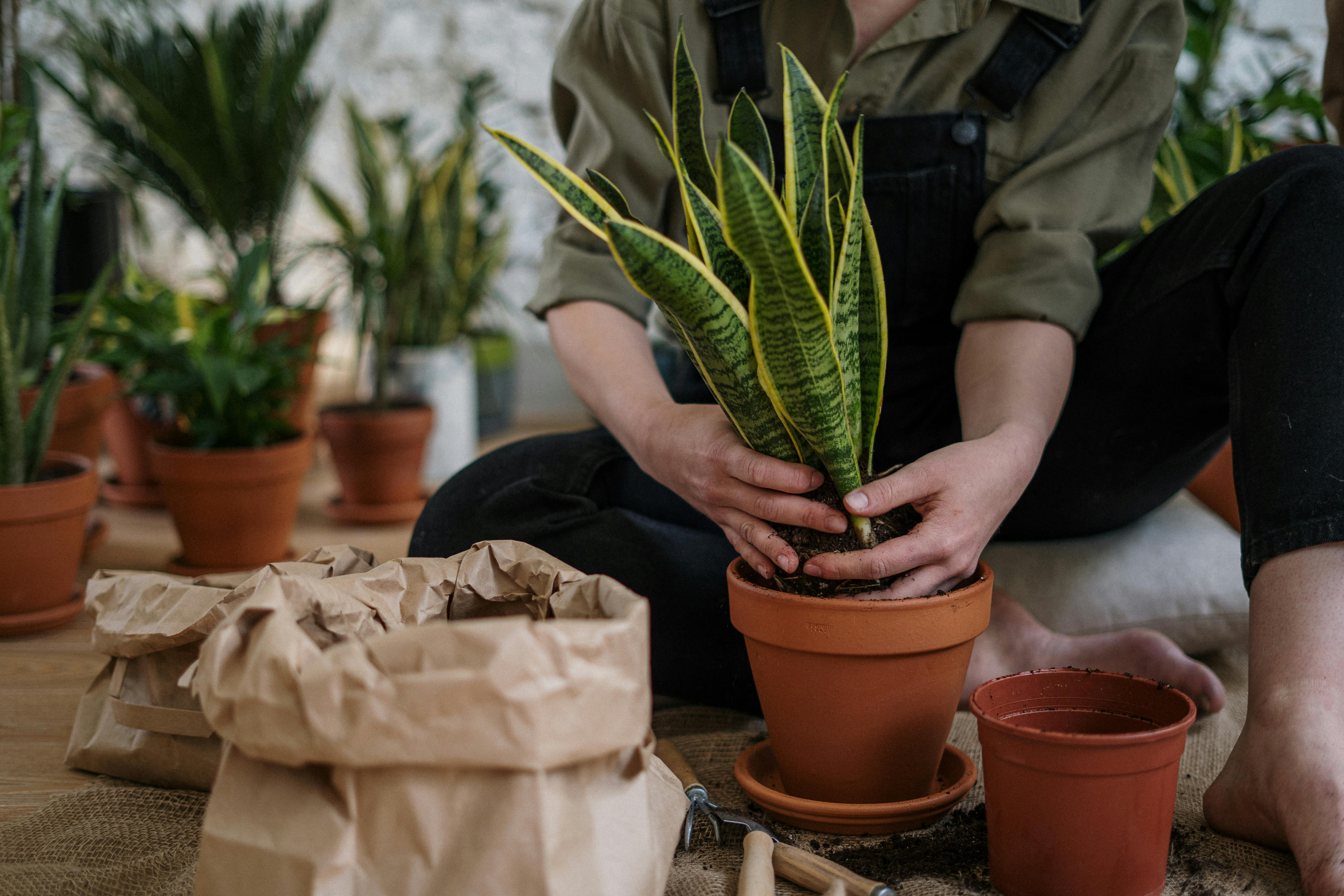
4. The Low-Light Specialist: Mother-in-Law's Tongue (Sansevieria trifasciata)
Praised for its ability to remove benzene, formaldehyde, TCE, xylene, and toluene. Its night-time oxygen production is a unique bonus.
- NASA's Notes: Excellent for bedroom environments.
- Care: Extremely low maintenance. Tolerates very low light. Water only when soil is bone dry.
- Difficulty: Very Easy
5. The Humidity Lover: Peace Lily (Spathiphyllum)
A top performer for ammonia, formaldehyde, benzene, and TCE removal. Also increases room humidity as it transpires.
- NASA's Notes: Excellent all-around remover, good for bathrooms.
- Care: Low to medium, indirect light. Keep soil consistently moist. Will droop when thirsty.
- Difficulty: Easy
Applying NASA's Findings in Your Home
Project: Target a Specific Pollutant. Timeline: Ongoing. Cost: Varies. Difficulty: Easy.
Identify your biggest concern and place the right plant strategically:
- New Furniture or Carpet? Formaldehyde is likely. Place a Bamboo Palm or English Ivy in that room.
- Home Office with Printer/Ink? Benzene and xylene may be present. A Gerbera Daisy or Mother-in-Law's Tongue on the desk is perfect.
- Kitchen or Bathroom with Cleaners? Ammonia can be an issue. A Peace Lily nearby can help.
NASA recommended at least one plant per 100 square feet for optimal air cleaning. Think in terms of plant communities, not single specimens.
Frequently Asked Questions (FAQ)
Q: Is the NASA study still relevant today?
A> Absolutely. The biochemical processes of phytoremediation (plants cleaning air/soil) are well-established science. While newer studies have refined the numbers, the core list of effective plants remains scientifically valid. The study's principles are a cornerstone of biophilic design.
Q: Do I need to use special soil from the study?
A> The study used activated carbon in the potting mix to enhance filtration. In your home, a high-quality, well-aerated potting mix with plenty of organic matter will support the necessary soil microbiology. You can add a thin layer of horticultural charcoal to the bottom of the pot for a boost.
Q: Can these plants replace my HEPA air purifier?
A> They serve different purposes. Plants are excellent at removing gaseous VOCs. HEPA filters are best at removing particulate matter like dust, pollen, and pet dander. For the healthiest air, consider using both as a complementary system.
Q: Are all the plants from the NASA study safe for pets?
A> No. Several top performers, like English Ivy, Peace Lily, and Mother-in-Law's Tongue (Snake Plant), are toxic to cats and dogs if ingested. Always cross-reference with the ASPCA's toxic plant list if you have pets.
Conclusion: Harness Space-Age Science for Earthly Wellness
The NASA Clean Air Study gives us a powerful, evidence-based blueprint for creating healthier indoor spaces. By choosing the best plants for purifying air according to this research—like the Bamboo Palm, Gerbera Daisy, and Peace Lily—you enlist natural, living technology in the service of your home's air quality. Remember, effectiveness comes from placing the right plant in the right location and caring for it well. Start by selecting one NASA-approved plant for a problem area in your home. As it grows, so will your confidence in cultivating not just plants, but a cleaner, fresher, and more vibrant living environment.

About the Author
Sage Avery is a plant care writer and home horticulture enthusiast with over seven years of hands-on growing experience across indoor tropicals, companion gardens, and balcony food gardens. Growing in USDA Zone 7, Sage has tested dozens of soil mixes, propagation methods, and companion planting combinations and writes from real results, not just theory. Every guide at Plant Companion Guide is written to help beginners avoid the mistakes that cost plants their lives.