Essential Houseplant Care Tips Guide
Mastering the Art of Indoor Growth
Many home gardeners begin their journey with a burst of enthusiasm, only to face the heartbreak of yellowing leaves or wilting stems. For urban dwellers and beginners, the struggle is often rooted in a lack of foundational knowledge rather than a lack of care. You might find yourself asking why your fern is drying up despite frequent watering, or why your succulent is suddenly mushy. These common pain points can make indoor gardening feel like an impossible task. However, achieving a thriving indoor jungle is well within your reach. This comprehensive guide provides expert houseplant care tips designed to transform your living space into a vibrant sanctuary. You will learn the critical pillars of plant health—light, water, and soil—alongside practical DIY projects and seasonal care timelines that emphasize sustainability and local adaptation. By the end of this post, you will have the confidence to troubleshoot issues before they become fatal and foster a deep, lasting connection with your greenery.
The Core Pillars of Indoor Success
According to the RHS Guide to Houseplants, most indoor plant failures are due to improper light and overwatering. Understanding the 'why' behind these needs is the first step toward expertise.
Light: The Energy Source
Light is the fuel for photosynthesis. Without proper exposure, your plant cannot produce the energy it needs to sustain itself. Assess your windows: South-facing windows offer the most intense light, while North-facing windows provide the least. Practical Example: If your plant is 'stretching' (etiolation) toward the window, it is signaling a desperate need for more light. Conversely, brown, crispy spots on leaves can indicate sunscald from too much direct exposure.
Watering: The Delicate Balance
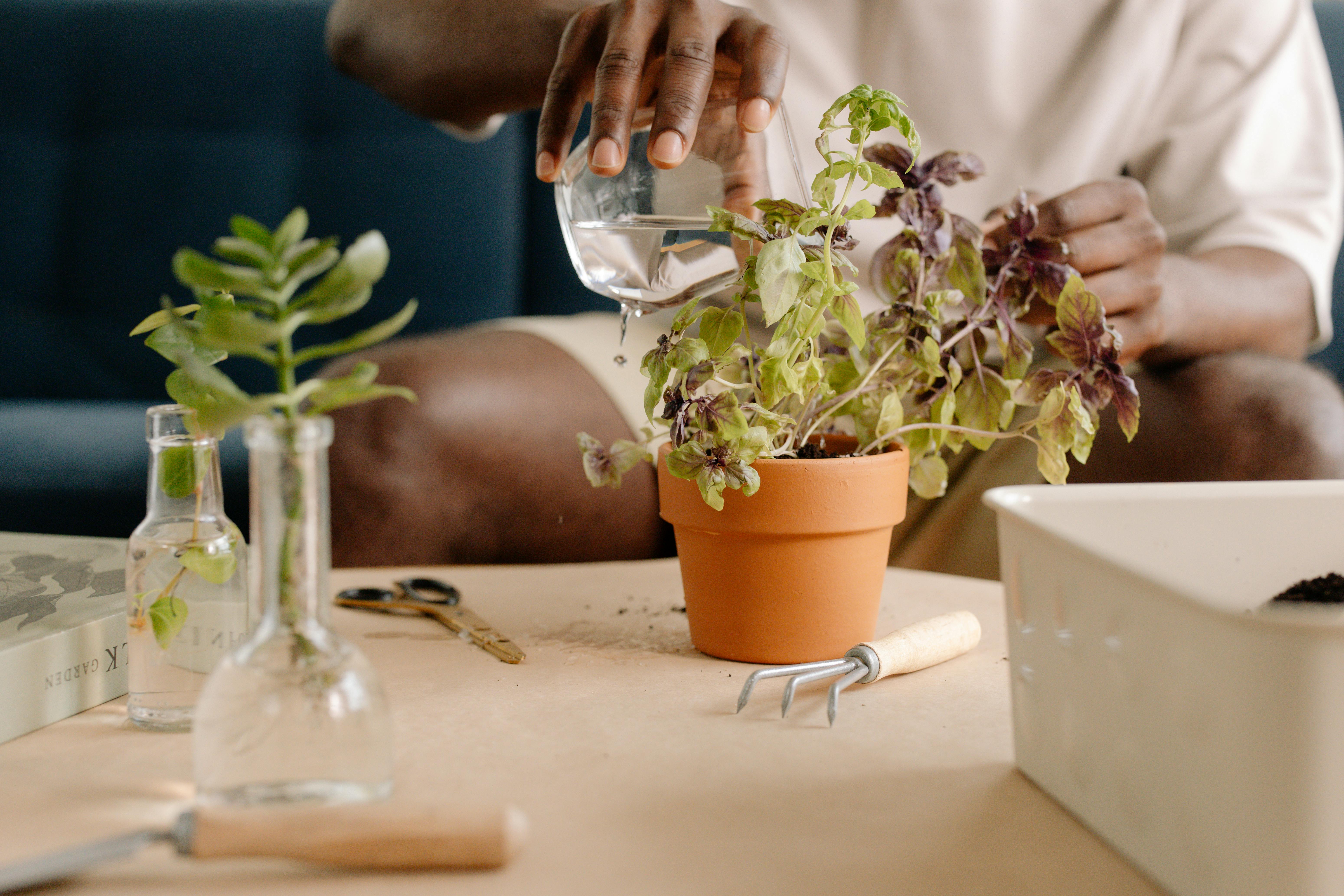
One of the most valuable houseplant care tips is to stop watering on a strict calendar schedule. Factors like humidity, temperature, and season change how much water a plant needs. Use the 'Finger Test': insert your finger two inches into the soil. If it feels dry, water; if it feels damp, wait. Always use pots with drainage holes to prevent root rot, which is a leading cause of plant death for beginners.
Seasonal Care and Hands-On Tutorials
Our plants respond to the changing seasons just like the trees outside. Adapting your routine is essential for long-term health. Below is a seasonal project timeline and care guide to keep your garden flourishing year-round.
Spring/Summer: The Growth Phase
- Difficulty: Easy (2/10)
- Timeline: March through August
- Cost: $10 - $30 (for organic fertilizers and pots)
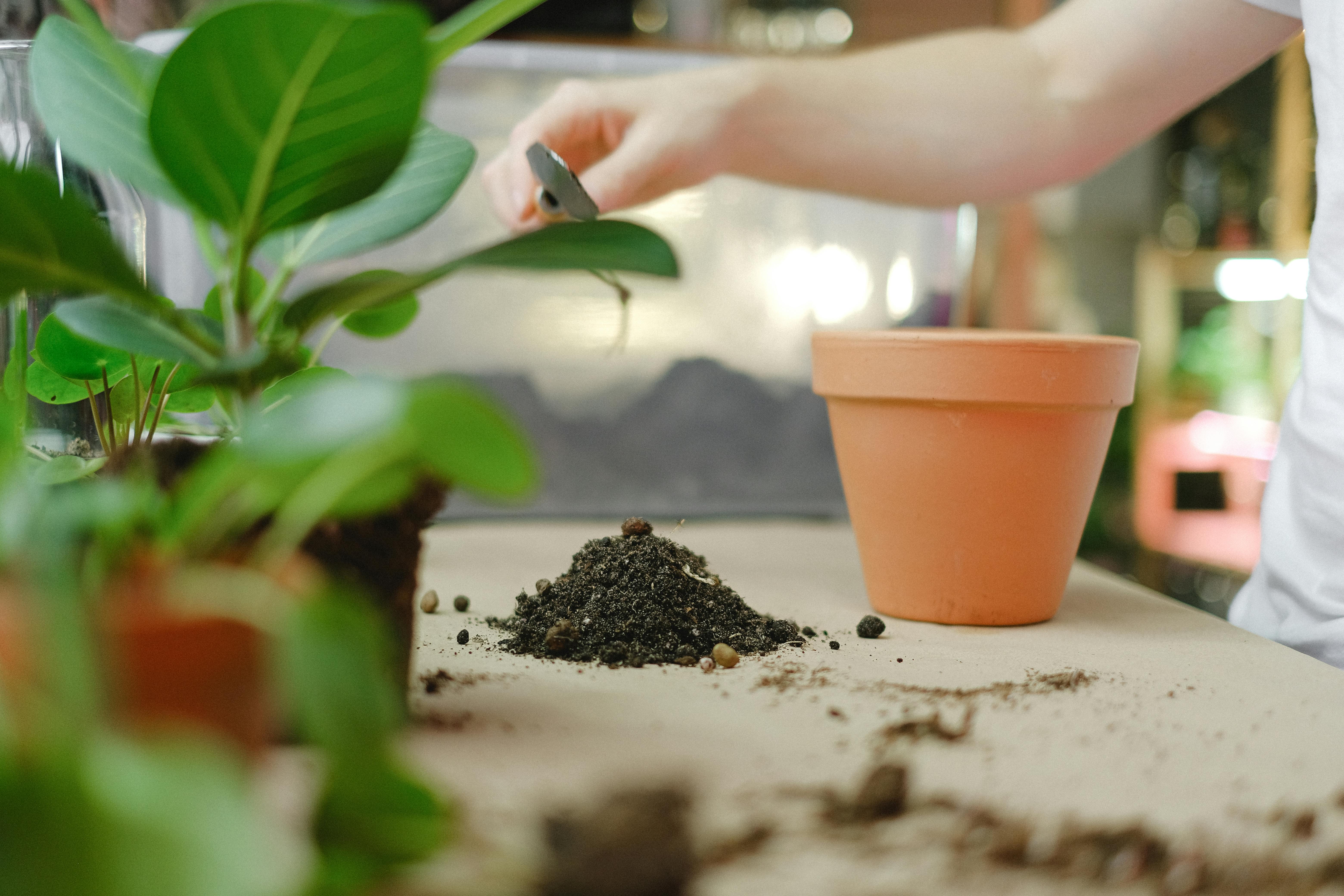
This is the time to repot and fertilize. As light levels increase, your plants will demand more nutrients. Use a balanced, organic liquid fertilizer every 2-4 weeks. DIY Project: Try 'Air Layering' to propagate leggy plants like the Rubber Tree or Monstera. It’s a rewarding way to grow your collection sustainably without buying new plants.
Autumn/Winter: The Dormancy Phase
- Difficulty: Moderate (4/10)
- Timeline: September through February
- Cost: $0 - $15 (for humidity trays)
As the days shorten, growth slows significantly. Pro Tip: Stop fertilizing entirely and reduce watering frequency. Since indoor heaters dry out the air, create a DIY humidity tray by filling a saucer with pebbles and water, then placing your plant pot on top. This provides a localized humidity boost without the need for an electric humidifier.
Sustainable Soil and Potting Practices
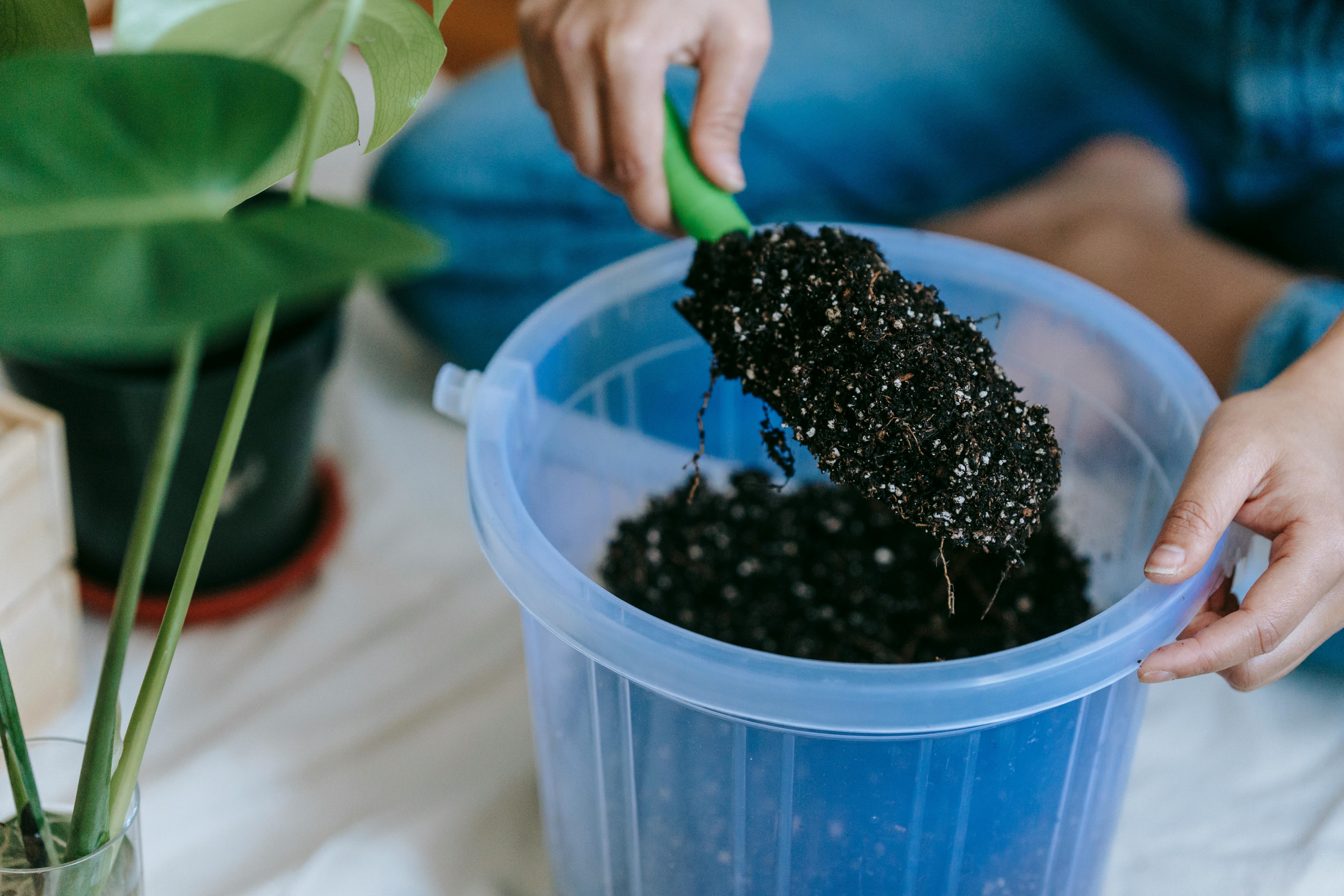
The foundation of every healthy plant is what’s happening beneath the surface. For the environmentally conscious gardener, the choice of soil is a major opportunity to practice sustainability. Many commercial potting mixes rely on peat moss, which is harvested from carbon-sequestering bogs. Instead, look for coconut coir-based mixes. These are renewable and hold moisture more effectively.
Custom Soil Mix Guide
Don't settle for a one-size-fits-all soil. You can easily adapt your mix for different needs:
- For Succulents: 1 part potting soil, 1 part perlite, 1 part coarse sand.
- For Tropicals: 2 parts potting soil, 1 part orchid bark, 1 part perlite.
This DIY approach is cost-effective and ensures your roots have the specific aeration and drainage they require to thrive in your unique home environment.
Troubleshooting Common Pests and Diseases
Even with the best houseplant care tips, pests like fungus gnats, spider mites, or mealybugs can occasionally invade. Instead of reaching for harsh chemical pesticides, use earthy, practical solutions. A simple spray of diluted Neem oil or a mixture of water and organic castile soap is often enough to handle most infestations. Always isolate a sick plant immediately to prevent the spread to your broader community of greenery.
Frequently Asked Questions
Why are my plant's leaves turning yellow?
Yellow leaves can indicate several things, but the most common culprits are overwatering or a nutrient deficiency. Check the soil moisture first; if the soil is soggy, let it dry out completely. If it’s dry, your plant might need a dose of nitrogen-rich organic fertilizer.
Do I need to talk to my plants?
While there is no scientific consensus that plants 'hear' you, the act of talking to them often means you are spending more time observing them. This leads to earlier detection of pests or watering needs, which definitely helps them grow!
How do I know when to repot?
Look for 'root bound' signs: roots growing out of the drainage holes or the plant needing water much more frequently than usual. Generally, repotting every 12-18 months is a good rule of thumb for young plants.
Conclusion
Mastering houseplant care tips is a journey of patience and observation. By understanding the unique needs of your indoor garden and adapting your care to the seasons, you create a sustainable and rewarding hobby that brings life into your home. Remember to focus on the basics: respect the light, be mindful with the watering can, and always choose eco-friendly soil options. Whether you are an urban dweller with a single shelf or a seasoned DIY enthusiast, your plants will reward your efforts with fresh air and beauty. Ready to take the next step? Start by checking the soil moisture of your plants today and consider starting a 'plant journal' to track their growth. Would you like me to create a specific watering schedule template for your plant varieties?

About the Author
Sage Avery is a plant care writer and home horticulture enthusiast with over seven years of hands-on growing experience across indoor tropicals, companion gardens, and balcony food gardens. Growing in USDA Zone 7, Sage has tested dozens of soil mixes, propagation methods, and companion planting combinations and writes from real results, not just theory. Every guide at Plant Companion Guide is written to help beginners avoid the mistakes that cost plants their lives.