ZZ Plant Care: The Easiest Houseplant
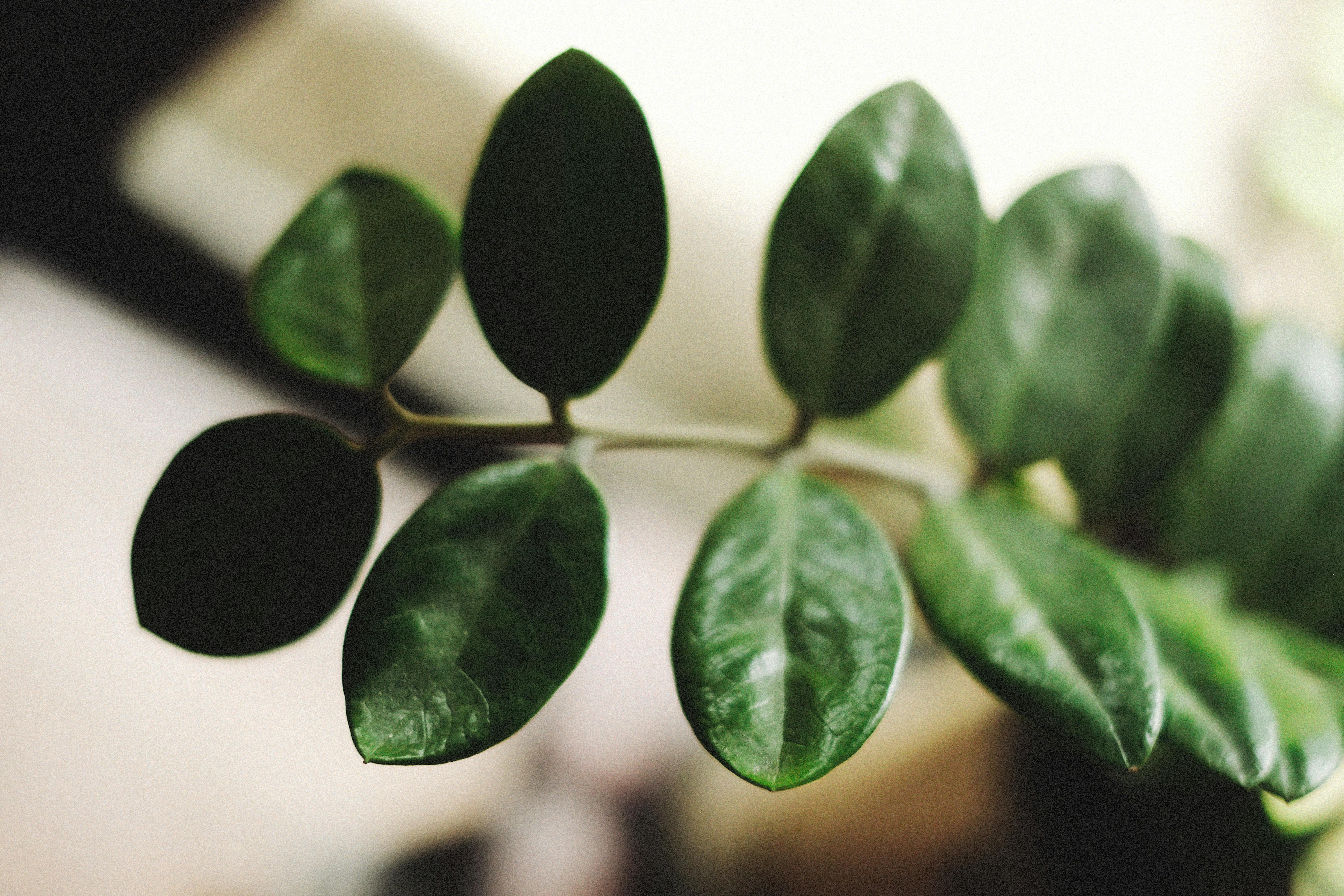
The Ultimate Survivor: Why ZZ Plants Thrive on Neglect
The Zamioculcas zamiifolia is my top recommendation for anyone who claims they kill every plant. It survives low light, drought, and low humidity thanks to its potato-like rhizomes that store water.
Why It's Nearly Impossible to Kill
Its evolutionary adaptations make it perfect for modern homes: thick rhizomes store water, waxy leaves minimize transpiration, and it grows slowly, requiring little food. It's also resistant to most pests.
Simple Care Requirements
- Light: Tolerates extremely low light (50 FC) but grows faster in medium, indirect light (250 FC). Avoid direct sun, which can scorch leaves.
- Water: Water only when the soil is completely dry—typically every 3-4 weeks in summer and every 6-8 weeks in winter. I've forgotten mine for two months with no ill effects. Overwatering is the only real threat.
- Soil: A well-draining potting mix. A standard indoor mix with extra perlite works well.
- Temperature & Humidity: Thrives in average home conditions (60-75°F, 30-50% humidity).
- Fertilizer: Optional. If desired, feed once in spring and once in summer with a balanced, diluted fertilizer.
Propagation: Patience Required
Propagation is slow but rewarding. You can divide the rhizomes during repotting (the fastest method) or leaf cuttings: gently twist off a leaf, let it callous for a day, then place the petiole in soil. A new rhizome and shoot may form in 6-9 months.
A Note on Toxicity
All parts of the ZZ Plant contain calcium oxalate crystals. According to the ASPCA, it is toxic to cats and dogs, causing oral irritation. Handle with care when repotting and keep out of reach of pets.

About the Author
Sage Avery is a plant care writer and home horticulture enthusiast with over seven years of hands-on growing experience across indoor tropicals, companion gardens, and balcony food gardens. Growing in USDA Zone 7, Sage has tested dozens of soil mixes, propagation methods, and companion planting combinations and writes from real results, not just theory. Every guide at Plant Companion Guide is written to help beginners avoid the mistakes that cost plants their lives.