Why Is Water Coming Out the Bottom of My Plant?
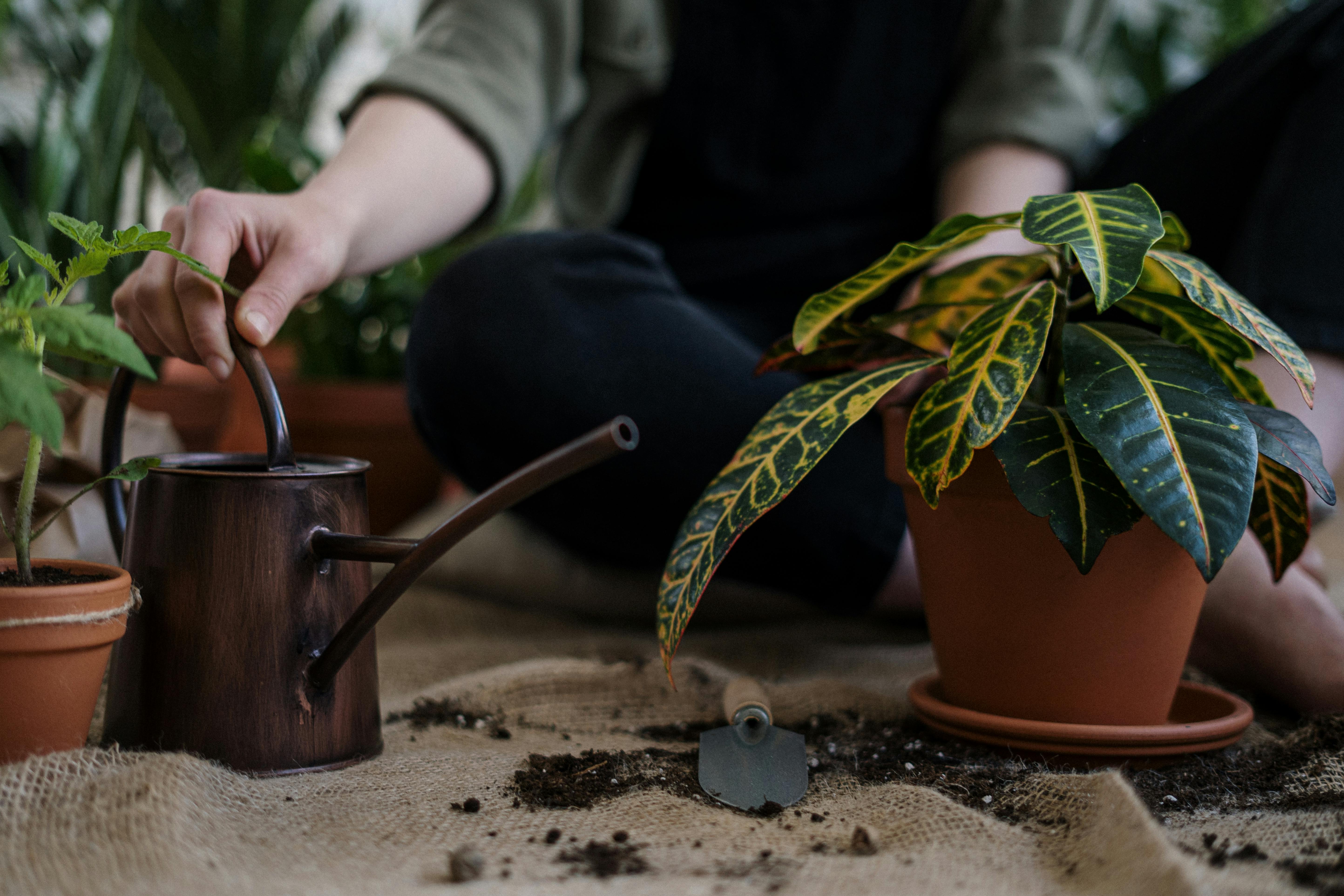
The first time I watered my fiddle-leaf fig and watched a small river pour out of the drainage holes into the saucer below, I immediately panicked. Had I broken something? Was the soil not absorbing the water? I nearly stopped watering altogether, convinced I'd done something wrong. It took a conversation with a more experienced plant friend to understand that water coming out of the bottom of a pot isn't a problem — in most cases, it's exactly what's supposed to happen. Understanding why drainage works the way it does is one of those foundational lessons that changes how you approach watering every single plant you own.
Why Water Drains Out the Bottom: The Basic Principle
When you water a plant correctly — thoroughly and slowly — you're doing more than delivering moisture to the roots. You're pushing stale, oxygen-depleted air out of the soil pore spaces and drawing fresh, oxygen-rich air back in as the water drains away. This gas exchange is essential for root health. Roots need oxygen just as much as they need water, and without drainage, the soil stays perpetually waterlogged and the root zone becomes anaerobic — an environment where roots suffocate and rot.
Water exits through drainage holes when the soil has become fully moistened throughout its depth and the excess — the water that the soil and roots can't immediately hold — flows out under gravity. This is normal, healthy, and desirable. It confirms that water has reached the entire root zone, not just the top inch or two of medium. According to University of Maryland Extension's indoor plant care resources, thorough watering that produces drainage is the correct method for most container plants, and shallow watering — which never produces drainage — is one of the most common causes of chronic plant decline.
What It Means When Water Drains Immediately vs. Slowly
The speed at which water exits a pot tells you something important about the state of your soil. When water drains through a pot very slowly — taking several minutes to begin appearing at the drainage holes even after generous watering — the soil is likely performing normally, absorbing moisture progressively as water passes through. This is the ideal scenario.
When water rushes out almost immediately, often in a channeled stream before you've added much water at all, one of two things is happening. The most common cause is hydrophobic soil — potting medium that has become so dry it has repelled water rather than absorbing it. This happens frequently with peat-based mixes that have been allowed to dry out completely. The water channels along the edges of the root ball or down existing cracks and exits without being absorbed, leaving most of the root zone still dry. If you water a plant and the soil surface stays completely dry while water pours from the bottom, hydrophobic soil is almost certainly your issue.
The second cause of rapid drainage is a root-bound plant whose pot is so packed with roots that there is minimal soil left to absorb water. In this case, the water navigates between the dense root mass and exits quickly. Check for circling roots, roots emerging from drainage holes, and soil that dries out within a day or two of watering — classic root-bound signs. Gardening Know How's container plant guides describe both hydrophobic soil and root-bound conditions as common causes of what gardeners describe as "water running straight through" their pots, and provide practical remedies for each.
How to Fix Hydrophobic Soil
If your soil has become water-repellent, the most immediate fix is bottom watering: place the pot in a basin or tray of room-temperature water and allow it to soak from below for 30 to 45 minutes. The water wicks upward through the drainage holes and rehydrates the soil gradually from the bottom up, bypassing the repellent surface layer. After the soak, remove the pot and allow it to drain fully before returning it to its saucer.
A longer-term fix is to add a wetting agent to the soil — a drop of liquid dish soap dissolved in your watering can breaks surface tension and helps water penetrate hydrophobic medium. This is a temporary measure; if the soil is repelling water chronically, it's a sign the medium has degraded and the plant needs repotting with fresh mix. I typically repot any plant that develops persistent hydrophobic soil, because degraded medium that repels water is also compacted, low in oxygen, and depleted of nutrients — none of which serve the plant well.
What to Do With the Water in the Saucer
Once water has drained into the saucer below your pot, the most important rule is simple: empty it within 30 minutes. Saucers exist to catch overflow and protect surfaces — they're not designed as secondary water reservoirs for most plants. When plants sit in standing water for extended periods, the lower roots reabsorb that water continuously, maintaining exactly the waterlogged condition that drainage holes are designed to prevent.
There is one nuanced exception worth knowing: some moisture-loving plants — peace lilies, calathea, and humidity-sensitive ferns — can benefit from a small amount of standing water in a saucer filled with pebbles, where the water level stays below the pot's base. This creates a humidity microclimate around the foliage without waterlogging the roots. But this is different from sitting the pot directly in standing water, which should be avoided for virtually all common houseplants. The Spruce's houseplant watering guides provide clear guidance on saucer management and when limited water retention in saucers is appropriate, noting that most tropical houseplants perform best when saucers are emptied promptly after each watering session.
Pots Without Drainage Holes: What Actually Happens
If you have a pot without drainage holes and you're asking why water never comes out the bottom — this is why, and it's a problem rather than a feature. Without drainage holes, every drop of water you add to the pot stays inside. Over time, water accumulates in the lower portion of the pot, creating an anaerobic zone where roots rot from below. The plant often looks deceptively healthy right up until the root damage becomes severe enough to show in the foliage.
The gravel-layer workaround that's commonly recommended for undrained pots — placing a layer of pebbles at the bottom to "create drainage" — does not work. Horticultural research has consistently demonstrated that a coarser layer below finer soil creates a perched water table at the soil/gravel interface, actually keeping soil wetter rather than drier. The only real solutions for undrained pots are drilling a hole, using the pot as a cachepot with a drained inner pot, or choosing a different container entirely.
Common Mistakes Around Drainage and Watering
- Stopping watering because drainage water appeared: The appearance of drainage water is confirmation of a thorough watering, not a signal to stop. Water until drainage appears, then stop — don't stop before it.
- Watering only until the soil surface is wet: Surface dampness doesn't mean the root zone has received adequate moisture. Always water thoroughly enough to produce some drainage.
- Leaving saucers full indefinitely: Standing water reabsorbs into the root zone and maintains waterlogged conditions. Empty saucers within 30 minutes of watering.
- Using the gravel layer in undrained pots: Creates a perched water table that worsens waterlogging — it does not improve drainage.
- Panicking when water runs through quickly: Rapid drainage isn't always a problem, but it is a diagnostic signal. Investigate whether the cause is hydrophobic soil, root binding, or simply fast-draining mix — each has a different remedy.
Quick Reference Drainage Guide
| Drainage Pattern | What It Usually Means | Action to Take |
|---|---|---|
| Water appears slowly at drainage hole after thorough watering | Normal — soil absorbing moisture throughout | None — ideal drainage behavior |
| Water rushes out immediately, surface stays dry | Hydrophobic soil — water not being absorbed | Bottom-soak to rehydrate; consider repotting |
| Water exits within seconds, soil dries in 1–2 days | Root-bound — minimal soil left to absorb moisture | Check root mass; repot into next size up |
| Water pools on soil surface, drains very slowly | Compacted soil — poor aeration and drainage | Aerate with a chopstick; consider repotting |
| No drainage — water never exits | No drainage hole, or severely blocked drainage | Drill hole, use as cachepot, or repot into drained container |
Frequently Asked Questions
How much drainage water is normal when I water my plant?
A moderate amount of drainage — roughly 10 to 20 percent of the water volume you added — is a good indicator of a thorough watering. If you're seeing very large volumes of water running out immediately, it suggests the soil isn't absorbing properly. If you water generously and see no drainage at all, your pot may lack adequate drainage holes or the soil may be hydrophobic and channeling water around the root zone without absorbing it.
Is it bad if water drains out the bottom very quickly?
It depends on the cause. Fast drainage through a well-amended, intentionally chunky mix — like an aroid or succulent mix with high perlite content — is normal and desirable. Fast drainage because water is bypassing dry, compacted, or hydrophobic soil without being absorbed is a problem. The diagnostic test: press your finger an inch into the soil after watering. If it feels damp, the water was absorbed. If it's still dry, the drainage was bypassing the root zone.
Can bottom-watering replace top-watering for most houseplants?
Bottom-watering — placing the pot in water and allowing moisture to wick upward — is an excellent technique that delivers water evenly throughout the root zone and never disturbs or compacts the soil surface. It works very well as a primary watering method for most houseplants. The one limitation is that it doesn't flush accumulated mineral salts from the medium the way thorough top-watering does. I recommend occasional top-watering even for plants primarily bottom-watered, specifically to flush salt buildup every few months.
Water coming out the bottom of your plant is one of those reassuring signs that you're doing something right — once you understand what it means. The goal is thorough, consistent watering that reaches the entire root zone, drains freely, and leaves behind moist but not waterlogged soil. That rhythm, once established, is the foundation of almost every other success you'll have with your houseplants. Drop your watering questions in the comments below, and check out our related posts on why drainage holes are essential for indoor plants and how to flush your houseplant soil to remove salt buildup.
About the Author
{AUTHOR} is a passionate gardener and plant enthusiast sharing tips for a greener life.