Why Are My Plant Leaves Turning Yellow?
Diagnosing the Yellow Leaf Mystery: A Systematic Guide
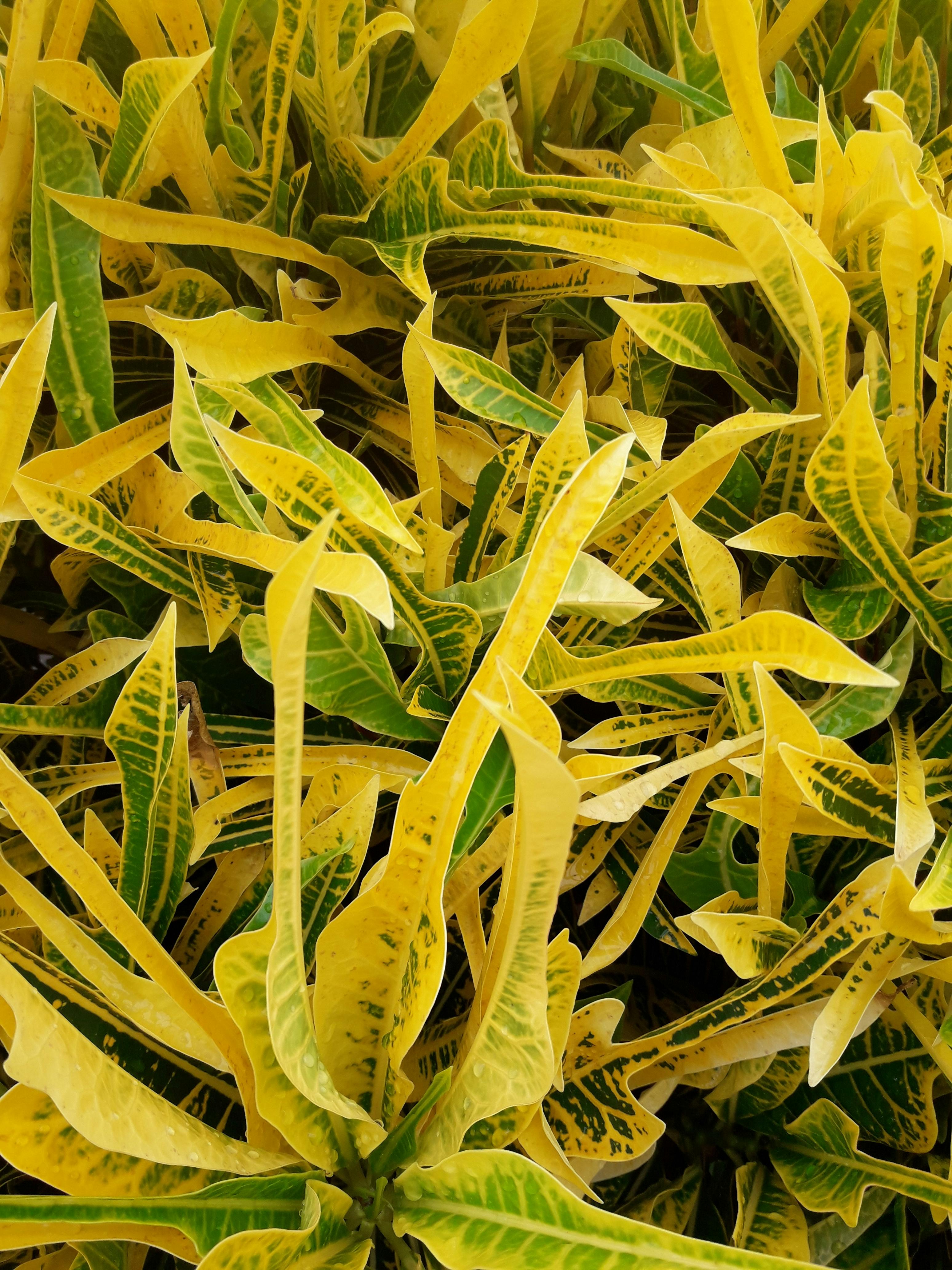
Yellow leaves are your plant's distress signal. Over my years as a plant caretaker, I've diagnosed hundreds of cases. The key is to look at the pattern and location of the yellowing to find the root cause.
1. Overwatering (Most Common Cause)
Signs: Lower, older leaves turn yellow, often uniformly. Soil feels soggy, and leaves may be mushy. Fix: Stop watering immediately. Check for root rot (black, mushy roots). Repot into fresh, dry soil and ensure proper drainage.
2. Underwatering
Signs: Leaves turn yellow, then brown and crispy, starting at the tips and edges. Soil is very dry. Fix: Give the plant a thorough, deep soak. Establish a more consistent checking routine.
3. Nutrient Deficiency (Often Nitrogen)
Signs: Older leaves yellow first, while veins may stay green. Overall growth is stunted. Fix: Apply a balanced, water-soluble fertilizer during the growing season. The Penn State Extension notes soil pH can affect nutrient uptake.
4. Too Much Direct Sun (Sunburn)
Signs: Yellow or white patches, often on the top leaves facing the light. Leaves feel scorched. Fix: Move the plant to a location with bright, indirect light.
5. Too Little Light
Signs: Generalized yellowing, especially on lower leaves, accompanied by leggy growth. Fix: Gradually move the plant to a brighter spot or supplement with a grow light.
6. Natural Aging
Signs: One or two lower, older leaves yellow and drop slowly. The rest of the plant is healthy. Fix: None needed! This is a normal part of growth.
Additional Causes: Pest infestations (check undersides of leaves), disease, temperature shock, and poor water quality. Always isolate a sick plant. For a comprehensive visual guide, UMN's Plant Diagnostic Tool is authoritative.
About the Author
Sage Avery is a plant care writer and home horticulture enthusiast with over seven years of hands-on growing experience across indoor tropicals, companion gardens, and balcony food gardens. Growing in USDA Zone 7, Sage has tested dozens of soil mixes, propagation methods, and companion planting combinations and writes from real results, not just theory. Every guide at Plant Companion Guide is written to help beginners avoid the mistakes that cost plants their lives.