Stop Spider Plant Brown Tips
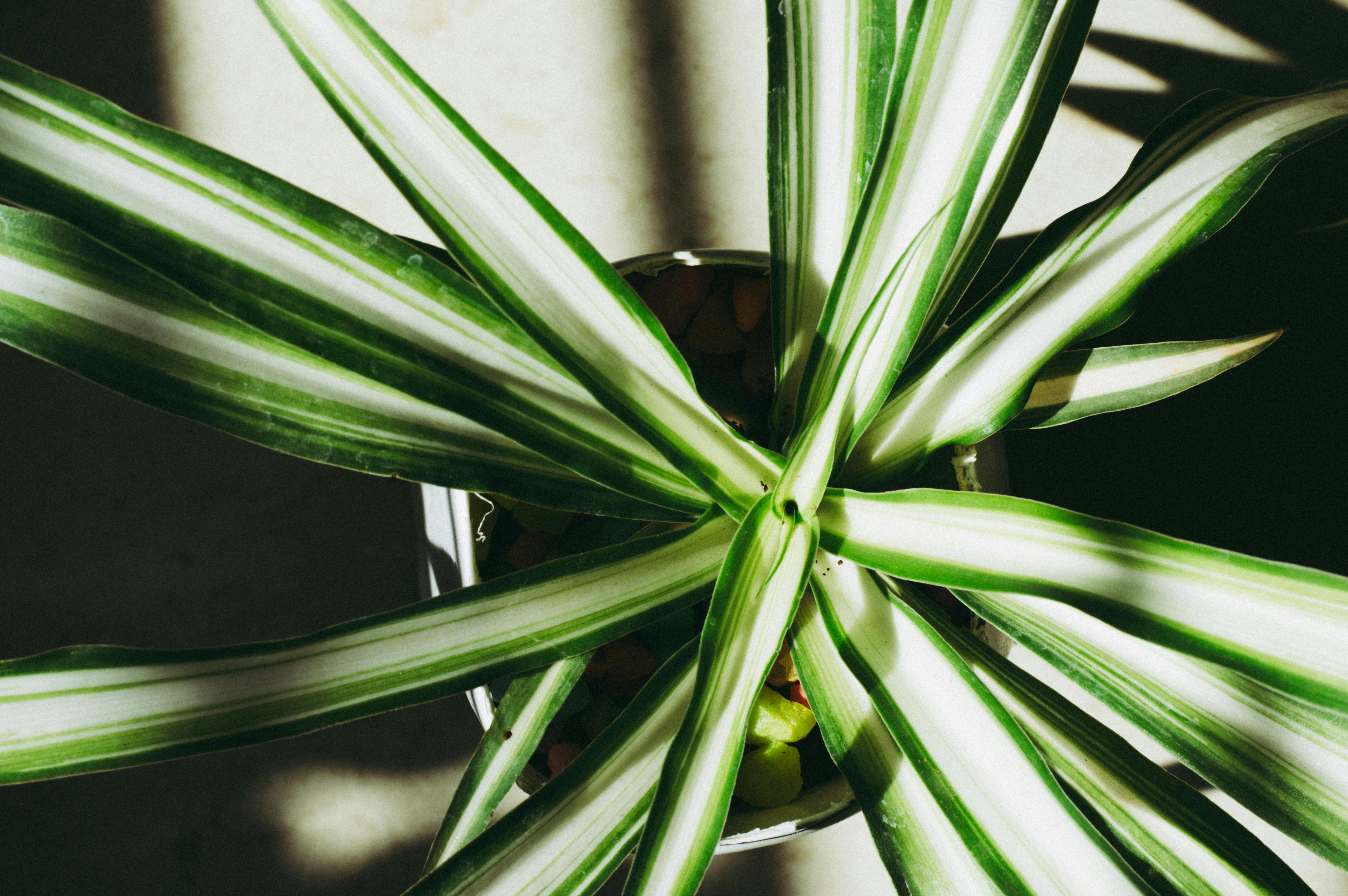
My spider plant (‘Vittatum’) looked perfect until the tips started browning like someone singed them. The surprise was that my watering wasn’t the main issue—my tap water was hard, winter air was dry (USDA zone 6), and salts were building up in the pot. Once I changed a few habits, new leaves stayed much cleaner.
Spider Plant Brown Tips: Why It Happens and How to Stop It
Spider plant brown tips won’t turn green again, but you can stop new ones from forming. I treat this as a “conditions” problem: water quality, drying cycles, and indoor air.
What causes brown tips most often (in my experience)
The big three: mineral salts/fluoride in tap water, inconsistent watering (dry then flood), and very dry air near vents. If you want a broad baseline for indoor plant care and environment, I often start with the Royal Horticultural Society and then tailor to my home.
My fix-it routine (what actually helped)
I switch to filtered water when tips are a repeating problem, and every 2–3 months I flush the pot with a thorough top-watering to wash salts through. For practical indoor growing fundamentals—especially how indoor heat changes evaporation—cooperative extension resources like University of Minnesota Extension are a helpful reference point.
Humidity and placement matter more than misting
I don’t rely on misting. Instead, I move spider plants away from heat vents and group them with other plants. If you want a reliable humidity plan, see how to increase humidity for houseplants.
Watering and pot setup to prevent repeat browning
I water when the top inch is dry, then drain thoroughly. Spider plants like even moisture, but they hate sitting in water. If your pot is decorative with no drainage, use a nursery pot inside it and remove to water. For more on choosing pots, see best pots for indoor plants.
Seasonal note
If you move spider plants outdoors for summer, keep them shaded at first and avoid harsh midday sun. Knowing your climate helps; the USDA Plant Hardiness Zone Map is a quick way to understand when warm nights are reliable where you live.
Common Mistakes
- Using hard tap water for years without flushing the pot
- Misting as the only “humidity” strategy
- Leaving water in the saucer
- Letting the plant dry completely repeatedly
- Putting it in direct afternoon sun
- Ignoring airflow and vent placement
Quick Reference Care Table
| Problem | Clue | What I Do | Prevention |
|---|---|---|---|
| Salt buildup | Crispy tips | Flush soil | Quarterly flush |
| Dry air | Worse in winter | Humidifier/grouping | Avoid vents |
| Sun stress | Bleaching + tips | Move to indirect | Filter light |
FAQ
Should I cut off brown tips?
Yes, if you want it tidy. I trim just the brown portion in a leaf-shaped angle and focus on preventing new damage.
Is tap water always the problem?
Not always, but if you have hard water and persistent browning, switching to filtered water often makes a noticeable difference.
Will bottom watering help?
Sometimes, but you still need occasional top-watering to flush salts. Otherwise tips can keep browning over time.
Spider plant brown tips are usually fixable with small tweaks. Tell me if you’re on well water or city water in the comments below, and I’ll suggest the simplest change to try first.
About the Author
Sage Avery is a plant care writer and home horticulture enthusiast with over seven years of hands-on growing experience across indoor tropicals, companion gardens, and balcony food gardens. Growing in USDA Zone 7, Sage has tested dozens of soil mixes, propagation methods, and companion planting combinations and writes from real results, not just theory. Every guide at Plant Companion Guide is written to help beginners avoid the mistakes that cost plants their lives.