Snake Plant Propagation Options
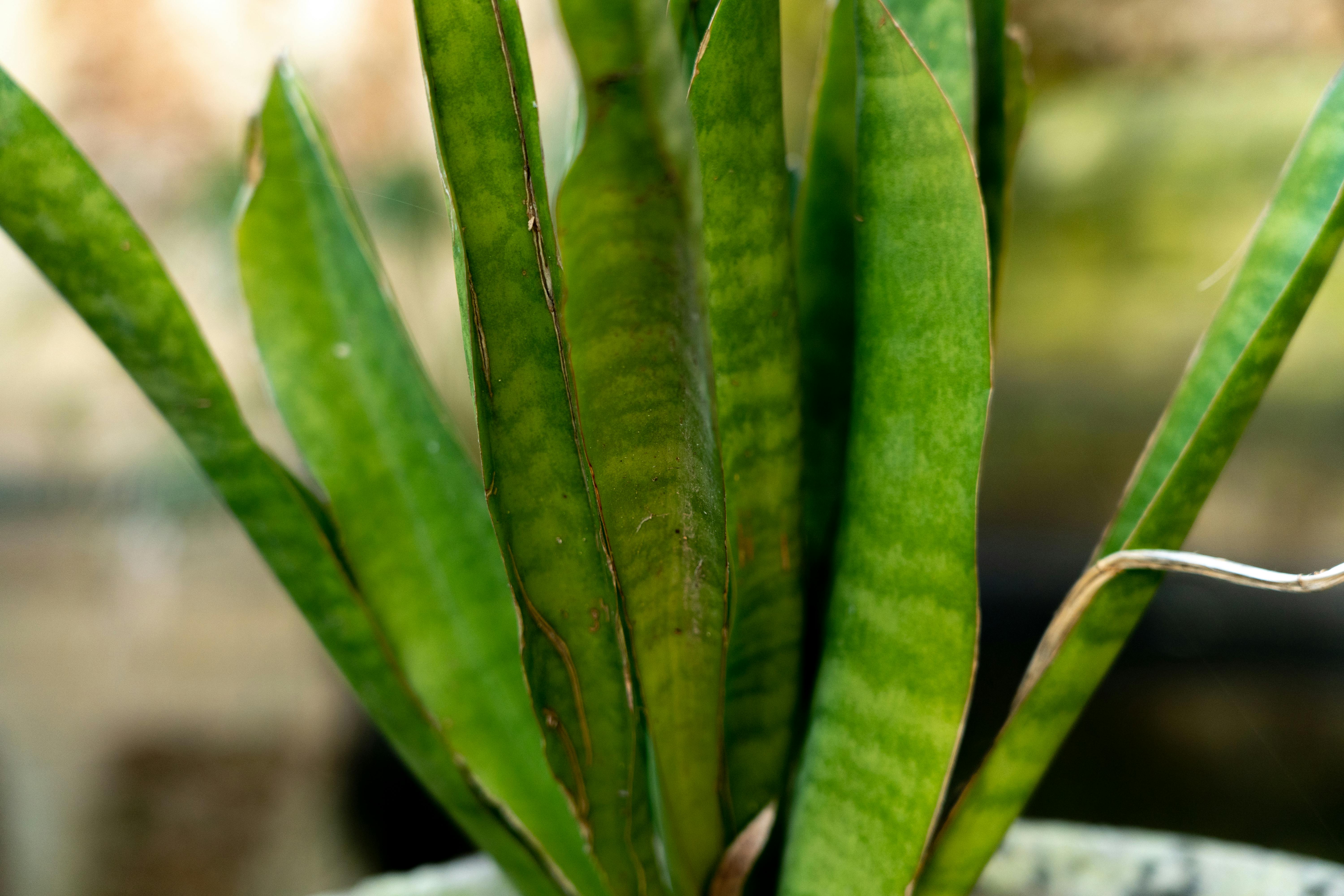
I propagated my first snake plant because I wanted “more plants for free,” and I learned a surprise: leaf cuttings from my variegated ‘Laurentii’ produced mostly green babies. Division was the method that kept the stripes. Once you understand that one detail, snake plant propagation becomes much less confusing.
Snake Plant Propagation: Leaf Cuttings vs Division (Pros and Cons)
Snake plants (Dracaena trifasciata) can be propagated from leaf cuttings or by dividing pups. Both work, but they give different results and timelines.
Method 1: leaf cuttings (easy, slow, can lose variegation)
I cut a healthy leaf into 3–4 inch sections, mark the bottom end, let pieces callus 1–2 days, then plant in lightly moist gritty soil. For broad propagation and plant-care fundamentals, I often start with guidance from the Royal Horticultural Society and then follow snake plant’s preference for dryness.
Method 2: division (my favorite for true-to-type plants)
Division means separating pups from the mother plant, ideally with some roots attached. I do this in spring/summer when growth is active (in my USDA zone 6 home) so recovery is faster. If you want help choosing the right pot for a division, see best pots for indoor plants.
Aftercare: watering and patience
After division, I water lightly and then let the pot dry. After leaf cuttings, I keep soil barely moist at first, then reduce watering once roots form. For practical indoor growing fundamentals (especially how environment affects drying), cooperative extension resources like University of Minnesota Extension are a helpful baseline. If you’re unsure about ongoing watering once rooted, see snake plant watering schedule.
Seasonal note
Propagation is usually faster in warm, bright months. If you’re timing moves around climate, the USDA Plant Hardiness Zone Map helps you understand seasonal timing in your region.
Common Mistakes
- Planting leaf sections upside down
- Overwatering cuttings (rot risk)
- Expecting variegation to carry through leaf cuttings
- Dividing in winter when growth is slow
- Using dense soil that stays wet
- Giving up too soon (snake plants are slow)
Quick Reference Care Table
| Method | Keeps Variegation? | Speed | Best For |
|---|---|---|---|
| Leaf cuttings | Usually no | Slow | Making more plants cheaply |
| Division | Yes | Faster | Keeping cultivars true |
FAQ
Why did my ‘Laurentii’ cutting turn green?
Leaf cuttings often don’t preserve variegation. The new plant forms from tissue that may revert to green.
How long does snake plant propagation take?
Division gives you an instant smaller plant. Leaf cuttings can take weeks to months to root and longer to produce pups.
Can I propagate snake plant in water?
You can, but I’ve had more rot issues in water. Soil propagation with a gritty mix has been more reliable for me.
Snake plant propagation is simple once you choose the method that matches your goal (speed vs keeping variegation). Tell me your cultivar name in the comments below, and I’ll recommend the best approach.

About the Author
Sage Avery is a plant care writer and home horticulture enthusiast with over seven years of hands-on growing experience across indoor tropicals, companion gardens, and balcony food gardens. Growing in USDA Zone 7, Sage has tested dozens of soil mixes, propagation methods, and companion planting combinations and writes from real results, not just theory. Every guide at Plant Companion Guide is written to help beginners avoid the mistakes that cost plants their lives.