Peace Lily Care: Complete Guide
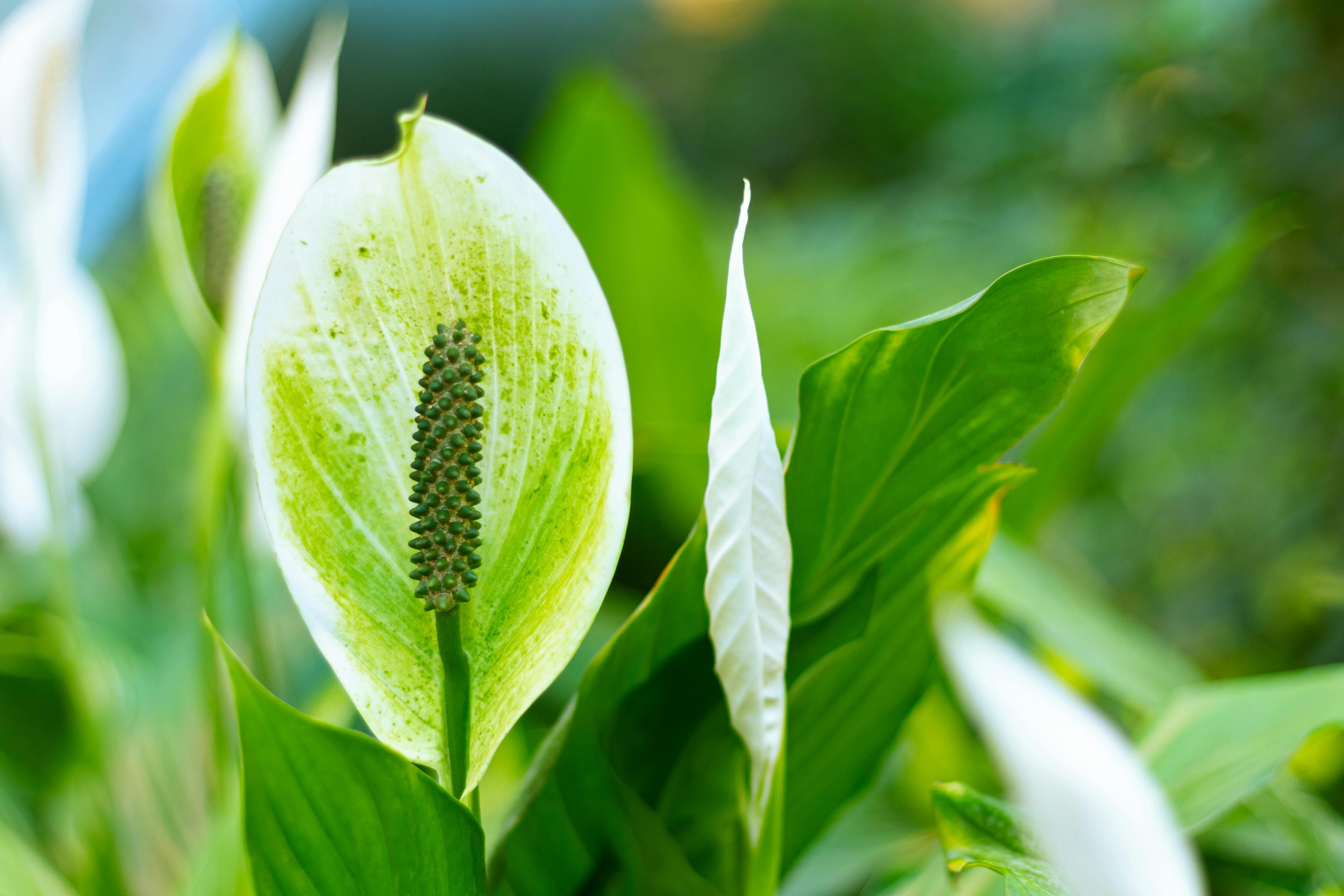
The Dramatic Communicator: Peace Lily Care Made Simple
Spathiphyllum spp. is famous for its eloquent droop when thirsty, perking up within hours after a drink. I've used this plant to teach countless friends how to listen to their plants. It's also a top air purifier.
Complete Care Requirements
- Light: Prefers medium, indirect light (250-500 FC). It will tolerate lower light but may not flower. Avoid direct sun, which scorches leaves.
- Water: Water when the top inch of soil is dry or when the leaves just begin to droop. They are thirsty plants but sensitive to chlorine. Use filtered, room-temperature water if possible.
- Soil: A standard, peat-based potting mix that retains some moisture.
- Humidity: Loves high humidity (>50%). Brown leaf tips are a classic sign of dry air. Group with other plants or use a humidifier.
- Temperature: Keep between 65-80°F. Avoid cold drafts.
- Fertilizer: Feed every 6-8 weeks during spring and summer with a balanced, diluted liquid fertilizer.
Why It Droops & How to Fix It
Drooping from Thirst: The most common reason.
Water thoroughly, and it should recover in a few hours.
Persistent Drooping/Wilting:
Could be root rot from overwatering (check for soggy soil) or
the plant being severely root-bound.
General Wilt with Yellow Leaves:
Often a sign of overwatering. Let the soil dry out more between
waterings.
Tips for Encouraging Blooms
The white 'flower' is a spathe surrounding the actual spadix. To encourage blooming, provide bright, indirect light and ensure the plant is slightly pot-bound. Some gardeners use a bloom-booster fertilizer (higher phosphorus) in spring. Mature plants bloom more readily.
Toxicity Warning: Peace Lilies contain calcium oxalate crystals. The ASPCA lists it as toxic to cats and dogs, causing oral irritation and vomiting. Keep out of reach.

About the Author
Sage Avery is a plant care writer and home horticulture enthusiast with over seven years of hands-on growing experience across indoor tropicals, companion gardens, and balcony food gardens. Growing in USDA Zone 7, Sage has tested dozens of soil mixes, propagation methods, and companion planting combinations and writes from real results, not just theory. Every guide at Plant Companion Guide is written to help beginners avoid the mistakes that cost plants their lives.