Monstera Node Cutting Guide
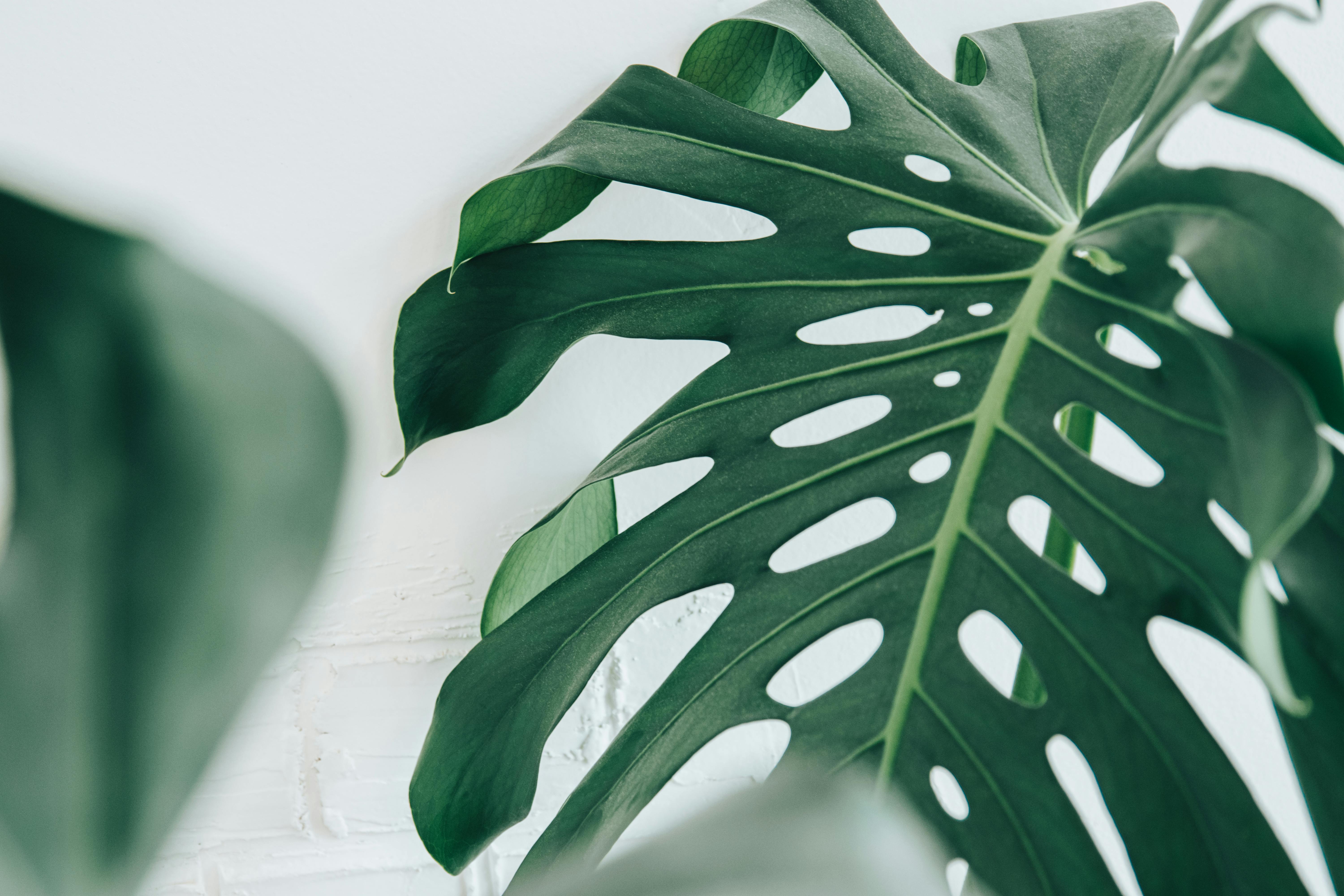
I learned the hard way that a Monstera leaf in water is not the same as a Monstera plant. I cut a gorgeous leaf (no node), waited weeks, and got nothing. The moment I started taking real node cuttings—especially in spring in my USDA zone 6 home—rooting became predictable and far less stressful.
Monstera Propagation Node: Where to Cut for Successful Rooting
Monsteras (Monstera deliciosa, including variegated ‘Thai Constellation’) must be propagated with a node. The node contains the tissue that can form roots and new growth points.
How to identify a node (what I look for)
A node is the thickened bump on the stem where leaves attach and aerial roots often emerge. If there’s an aerial root, I include it because it often speeds rooting. For broad plant propagation and plant-care fundamentals, I often start with guidance from the Royal Horticultural Society and then apply it to my plant’s specific growth habit.
Where I cut (simple rule)
I cut just below the node so the node stays attached to the cutting. Then I let the cut end air-dry briefly before placing it into water or moss to reduce rot risk.
Rooting methods I’ve used successfully
Water
Easy to monitor, but keep the node from sitting too deep in water for too long.
Moss/perlite
Great humidity control and sturdy roots for soil transition.
Air layering
My favorite for big plants: roots form before you cut, so stress is lower.
If you want a soil blend that supports healthy roots after propagation, see houseplant soil mix recipe.
Aftercare: preventing rot during rooting
Bright indirect light and warmth matter. Low light + cool temps increase rot risk. For practical indoor growing fundamentals (especially seasonal shifts that affect rooting speed), cooperative extension resources like University of Minnesota Extension are a helpful baseline for thinking about environment.
Seasonal note
Propagation is usually easiest in spring and early summer. If you’re timing your plant moves around climate, use the USDA Plant Hardiness Zone Map to understand seasonal patterns where you live. If you need help with light placement during rooting, see bright indirect light meaning.
Common Mistakes
- Taking leaf-only cuttings (no node)
- Submerging too much stem in water
- Rooting in dim light and cold temperatures
- Not refreshing water when it gets cloudy
- Potting up before roots are established
- Fertilizing a fresh cutting
Quick Reference Care Table
| Cutting Type | Has Node? | Will Root? | Best Method |
|---|---|---|---|
| Leaf only | No | No | Not recommended |
| Stem + node | Yes | Yes | Water or moss |
| Node + aerial root | Yes | Yes (often faster) | Moss or air layer |
FAQ
Can a Monstera leaf grow roots without a node?
It may stay alive in water for a while, but it won’t become a full plant because new growth comes from nodes.
What’s the best time to propagate Monstera?
Spring to early summer is easiest because the plant is naturally in growth mode and conditions are warmer and brighter.
Should I include an aerial root?
If you can, yes. In my experience it speeds rooting and helps the cutting transition to soil more smoothly.
Monstera propagation node success is mostly about cutting in the right place and keeping conditions stable. Describe your stem section (node visible or not) in the comments below, and I’ll tell you exactly where I’d cut.

About the Author
Sage Avery is a plant care writer and home horticulture enthusiast with over seven years of hands-on growing experience across indoor tropicals, companion gardens, and balcony food gardens. Growing in USDA Zone 7, Sage has tested dozens of soil mixes, propagation methods, and companion planting combinations and writes from real results, not just theory. Every guide at Plant Companion Guide is written to help beginners avoid the mistakes that cost plants their lives.