Monstera Aerial Roots: Cut, Train, or Leave?
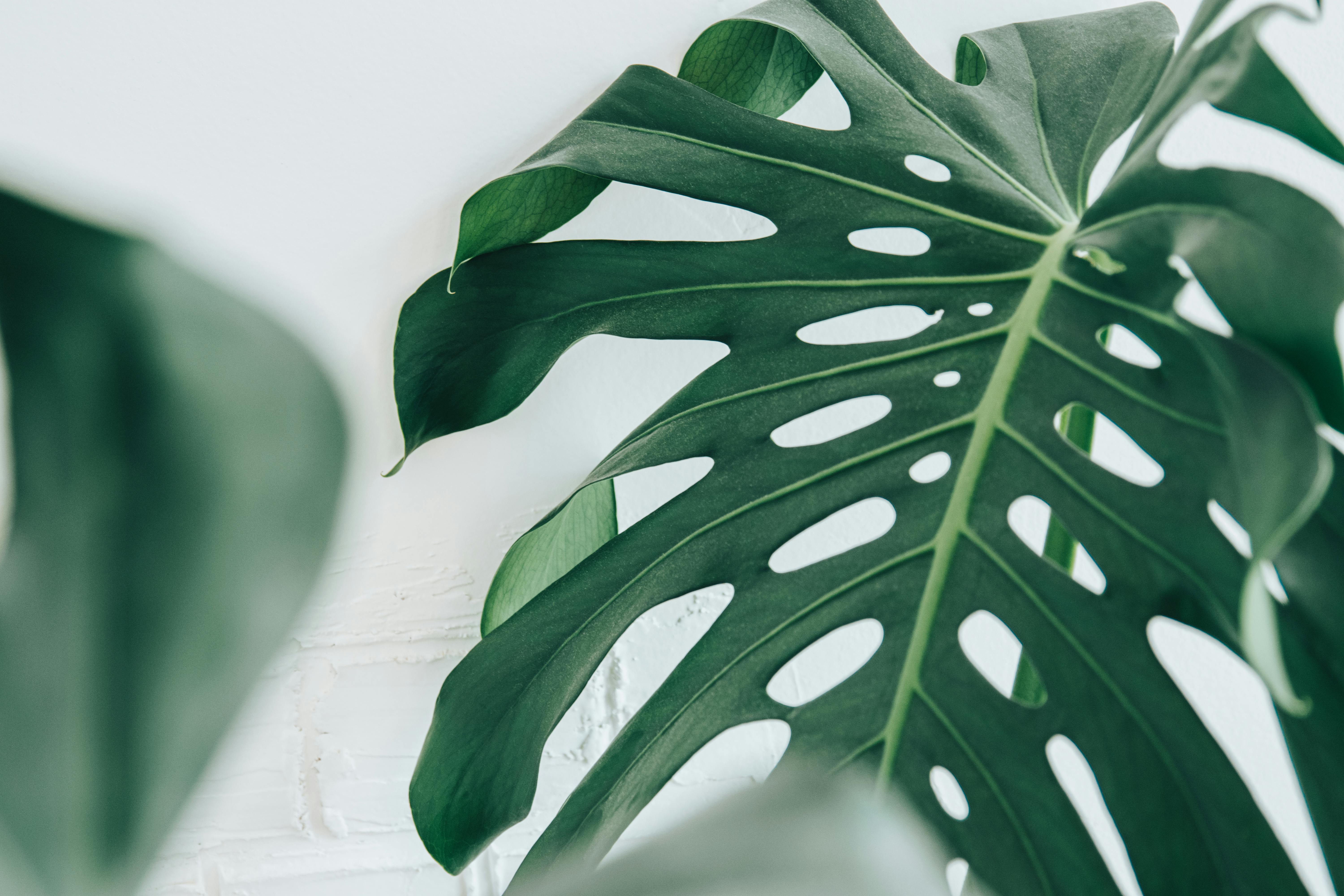
The first time I saw thick, brown roots erupting from the stems of my Monstera deliciosa, my immediate instinct was to grab the pruners. They looked like something had gone wrong — like the plant was unraveling from the inside out. It took a closer look and a lot of reading to understand that those roots were one of the most fascinating features of the plant, and that cutting them reflexively was one of the most common mistakes new monstera owners make. Now I have four monsteras, including an 'Albo Variegata' and a Thai Constellation, and each one has a different aerial root situation I manage intentionally.
What Monstera Aerial Roots Actually Are
Monstera deliciosa is a hemiepiphyte — a plant that begins its life on the forest floor and climbs upward toward the tree canopy as it matures. Aerial roots are the mechanism for that climb. They emerge from nodes along the stem and serve two primary purposes: anchoring the plant to a supporting surface, and — in outdoor or very humid conditions — absorbing moisture and nutrients directly from the air and any surface they contact.
Indoors, their moisture-absorbing function is limited, but their anchoring role is still real and valuable. A well-supported monstera on a moss pole, with aerial roots trained into the pole, grows noticeably faster and produces larger, more deeply fenestrated leaves than one left unsupported. According to the Missouri Botanical Garden's plant resources, providing a climbing support for vining tropicals like monstera significantly improves overall plant vigor and leaf development — mirroring conditions in their natural Central American rainforest habitat.
Should You Cut Monstera Aerial Roots?
This is the question I get most often, and the honest answer is: cutting aerial roots won't kill your plant, but it's rarely the right choice. Removing an aerial root doesn't cause harm the way removing a regular root would — it's not directly tied to the plant's water and nutrient uptake from the soil. However, cutting them repeatedly can stress the plant over time, and it removes the potential benefit of the root if you later decide to train the plant up a support.
There are limited scenarios where trimming makes sense: if a root has become excessively long, is tangling with other plants, or is visually unmanageable. In these cases, cut cleanly with sterilized scissors or pruners. Never yank or tear aerial roots — the wound can invite disease into the stem tissue. For a single tidy trim, you can also coil a long root and tuck it back into the soil, where it will absorb moisture and nutrients just like a regular root. I do this regularly with my M. deliciosa 'Thai Constellation' and it's worked beautifully.
Gardening Know How's tropical houseplant guides confirm that tucking aerial roots into the growing medium is a practical and plant-friendly way to manage them while improving moisture uptake, especially for large, mature specimens.
Training Aerial Roots: The Best Option for Most Growers
If you want to encourage your monstera to grow larger, more dramatic leaves — and who doesn't — training aerial roots onto a moss pole or coco coir pole is the best thing you can do. The process is simpler than most guides make it sound:
- Install a moss pole or coco coir pole in the center of the pot, pushing it firmly to the base.
- Gently guide emerging aerial roots toward the pole using soft plant ties or strips of fabric — never wire or twist ties that can cut into the root tissue.
- Keep the moss pole consistently moist by misting it every few days or using a small hose from the top. This encourages the aerial roots to grip and absorb.
- As new aerial roots emerge from nodes, train them onto the pole in the same way.
Within a few months of consistent pole maintenance, you'll notice aerial roots beginning to grip naturally. Once they do, they don't need much management. My M. deliciosa has been self-supporting on its pole for over two years now, and the leaves it produces at the top are among the largest I've grown indoors — consistently 14 to 16 inches across.
What to Do When Aerial Roots Reach the Soil or Wall
Left to their own devices, aerial roots on a large, free-growing monstera will eventually reach the soil surface or the nearest wall. Both situations are manageable. A root that reaches the soil surface can simply be pushed gently into the potting mix — it will behave exactly like a regular root and absorb water and nutrients. This actually improves the plant's overall stability and moisture uptake without any negative side effects.
A root heading toward a wall is a different story. Monstera aerial roots can and do attach firmly to drywall, wood, and painted surfaces, sometimes causing surface damage when removed. The simplest prevention is to guide these roots back toward the pot or moss pole before they make contact. If a root has already attached to a painted surface, don't pull — moisten the attachment point with a damp cloth and gently ease the root away over several days. The Spruce's houseplant care guides offer additional tips on managing large-format tropical plants in small indoor spaces, including creative support solutions for monsteras in tight rooms.
Aerial Roots and Plant Health: What They Tell You
Beyond management, aerial roots can be useful diagnostic indicators. Healthy aerial roots are firm, light tan to brownish, and slightly fuzzy with root hairs. Roots that are black, mushy, or have a foul odor can indicate rot moving up from the root zone — in this case, investigate your soil moisture and drainage immediately. Roots that are very dry, shriveled, or bright white can suggest very low humidity; a hygrometer reading below 30% in your growing space is worth addressing with a pebble tray or humidifier.
Common Mistakes With Monstera Aerial Roots
- Cutting every aerial root as it appears: This removes the plant's natural ability to anchor and self-support over time, leading to a leggy, top-heavy plant.
- Letting roots attach to walls unchecked: Once attached firmly, they can damage painted or wallpapered surfaces when removed.
- Using a dry moss pole: A dry moss pole provides support but no moisture benefit. Keep it consistently damp for the best results.
- Confusing aerial roots with surface roots: Sometimes roots grow near the soil surface but from the stem, not the root ball. These can be tucked into the soil rather than removed.
- Starting with a too-short pole: If your pole runs out before the plant does, you'll need to awkwardly extend or replace it. Start with a pole at least 2 feet taller than your current plant.
Quick Reference Care Table
| Aerial Root Situation | Best Action | What to Avoid |
|---|---|---|
| Short, newly emerged roots | Guide onto moss pole with soft ties | Cutting prematurely |
| Long, dangling roots | Tuck into soil or coil around pole | Yanking or tearing |
| Root heading toward wall | Redirect to pot or pole immediately | Allowing wall attachment |
| Root attached to wall | Moisten and ease off over several days | Pulling forcefully |
| Black or mushy root | Trim back to healthy tissue; check soil drainage | Ignoring — can indicate rot |
| Root near soil surface | Push gently into potting mix | Treating as a weed and removing |
Frequently Asked Questions
Do aerial roots need to be in water or soil to function?
No — aerial roots are adapted to function in open air, which is their natural environment. However, they will actively absorb moisture and nutrients if tucked into moist soil or pressed against a damp moss pole. You don't need to submerge them in water to keep the plant healthy.
Will cutting aerial roots hurt my monstera?
A clean, single cut on an aerial root won't cause serious harm. The plant may produce a new aerial root from the same node over time. Repeated cutting of many roots can cumulatively stress the plant, but the occasional trim on an unmanageable root is perfectly safe when done with clean, sharp tools.
My monstera has no aerial roots yet — is something wrong?
Not necessarily. Young plants and small monsteras often don't produce visible aerial roots until the plant matures or the stems elongate significantly. Low humidity can also suppress aerial root development. Increasing ambient humidity to 50–60% and providing a support structure can encourage root emergence on reluctant plants.
Aerial roots are one of the things that make monstera such a fascinating plant to grow — they're a window into how the plant would behave in the wild if given the chance. Whether you train them, tuck them, or make the occasional tidy trim, the goal is to work with the plant's natural architecture rather than against it. Have questions about your specific monstera's roots? Drop them in the comments below, and check out our companion posts on the best soil mix for monstera and complete monstera care from propagation to repotting.
About the Author
{AUTHOR} is a passionate gardener and plant enthusiast sharing tips for a greener life.