How to Water Houseplants: Complete Beginner's Guide
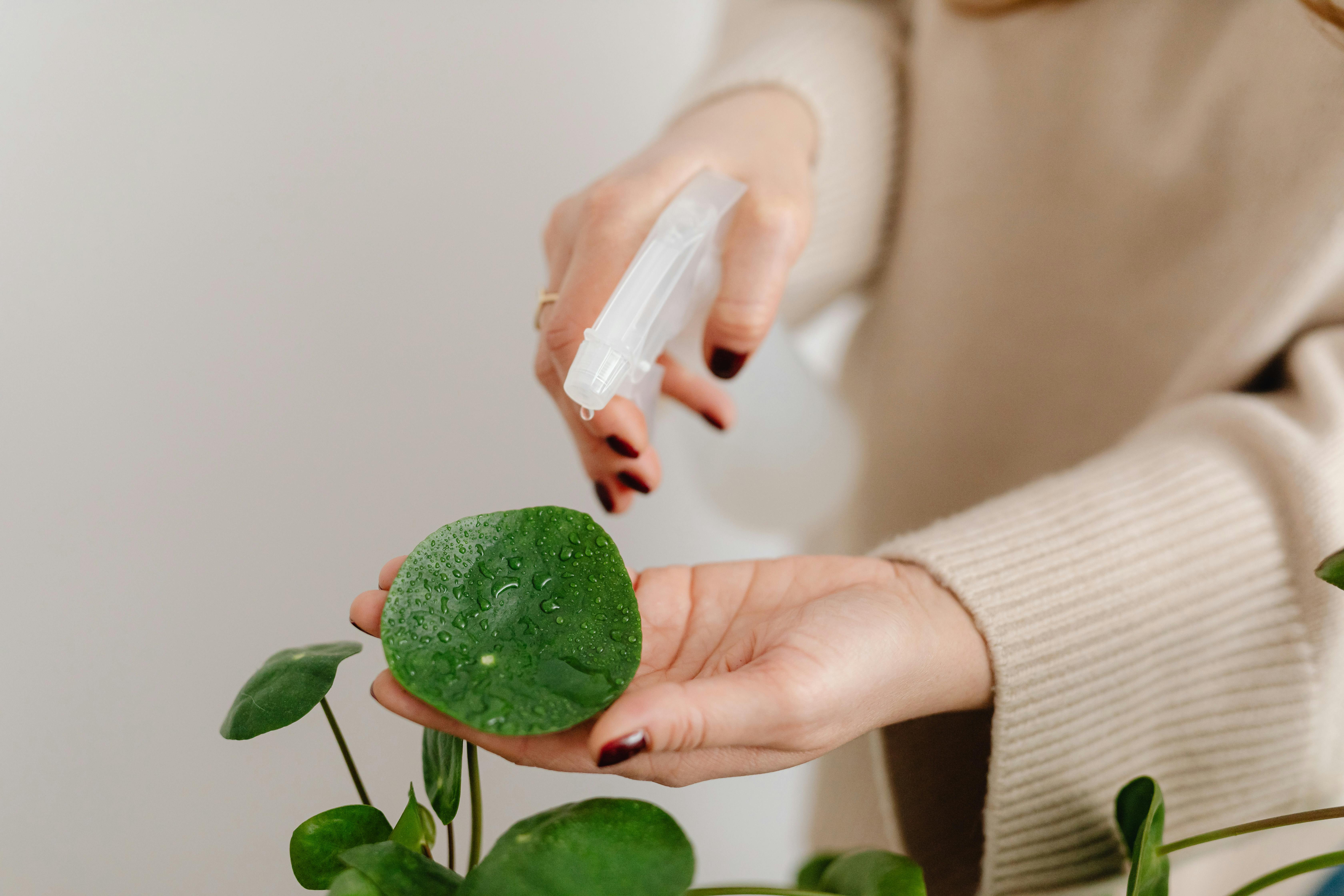
Stop Killing Your Plants With Kindness: The Art of Watering
After growing over 100 houseplants in my urban apartment for five years, I’ve learned that mastering watering is 90% of the battle. It’s not about a rigid schedule, but about understanding your plant's language and its environment.
Decoding Thirst: Overwatering vs. Underwatering
Yellow, mushy leaves and a persistently wet, foul-smelling soil are classic signs of overwatering, which leads to root rot—the #1 houseplant killer. Conversely, underwatering presents with dry, crispy brown leaf edges, leaf drop, and soil that pulls away from the pot's edges.
The Foolproof Finger Test (And Other Methods)
Stick your finger 2 inches into the soil. If it’s dry, it’s time to water. For larger pots, a moisture meter from a reputable brand like Amazon is invaluable. Hefting the pot—a light pot means dry soil—is another expert trick from the University of Minnesota Extension.
Water Quality & Technique Matter
Room-temperature water is essential to avoid root shock. If your tap water is heavily chlorinated, let it sit overnight. Using the thorough soaking method until water runs freely from the drainage holes ensures the entire root ball is hydrated. Always empty the saucer afterward.
Seasonal Shifts in Watering Needs
In spring and summer (active growth), your plants will drink more frequently. In fall and winter (dormancy), you must drastically reduce watering. I learned this the hard way after nearly losing a Monstera to winter overwatering in my cooler living room.
Trustworthy Source: For a deep dive into plant physiology, the Royal Horticultural Society guide to watering is an excellent resource.
About the Author
Sage Avery is a plant care writer and home horticulture enthusiast with over seven years of hands-on growing experience across indoor tropicals, companion gardens, and balcony food gardens. Growing in USDA Zone 7, Sage has tested dozens of soil mixes, propagation methods, and companion planting combinations and writes from real results, not just theory. Every guide at Plant Companion Guide is written to help beginners avoid the mistakes that cost plants their lives.