How to Propagate Plants from Cuttings
Multiply Your Plant Collection for Free: A Propagation Primer
There's nothing more rewarding than turning a single Pothos into a dozen new plants. I've propagated hundreds of cuttings, and the process taps into a plant's natural ability for asexual reproduction.
Step 1: Taking the Perfect Cutting
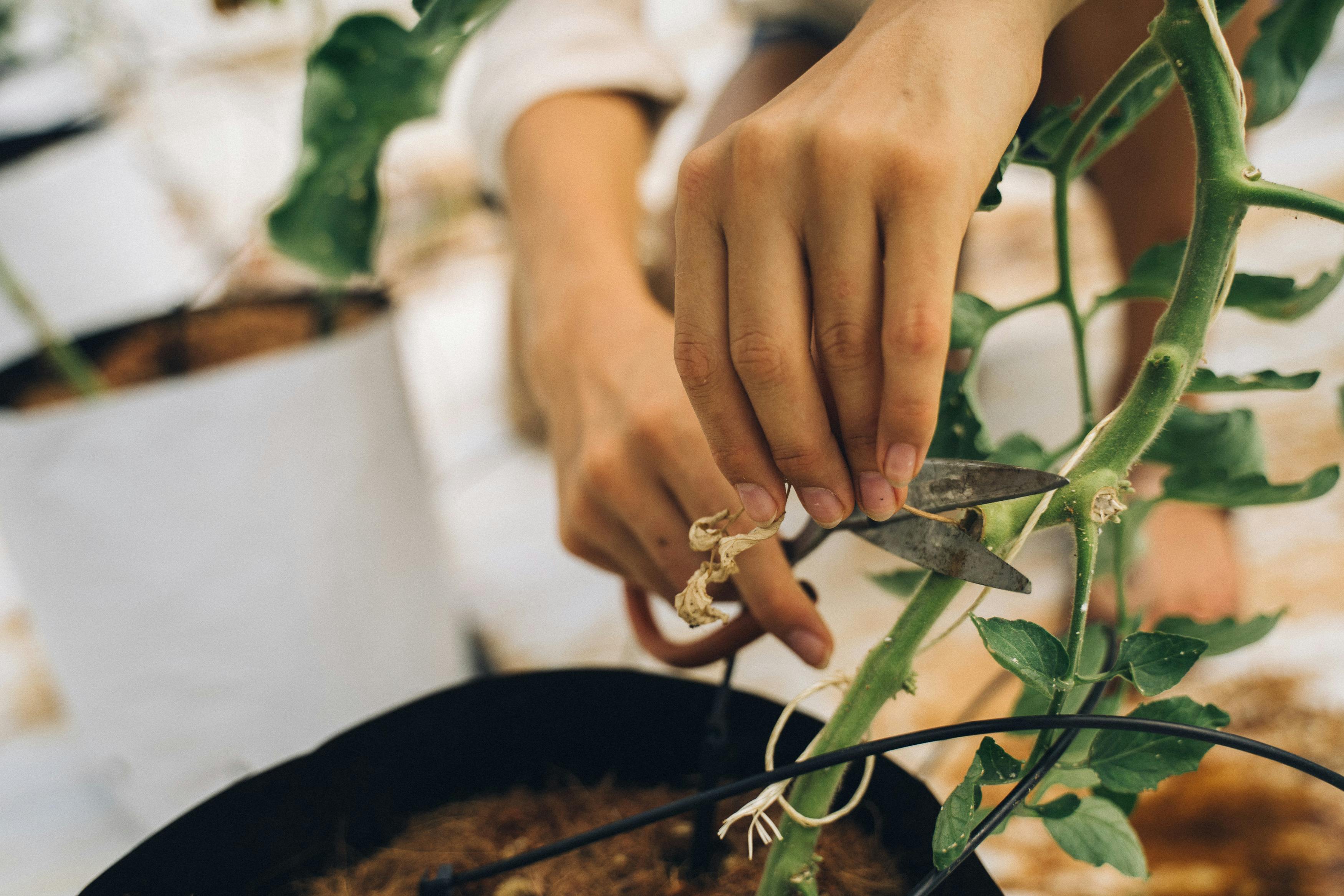
Use clean, sharp scissors or pruners. For vining plants (Pothos, Philodendron), cut just below a node (the bump where a leaf meets the stem). The node contains meristematic cells that will become new roots. Include at least 1-2 leaves.
Water Propagation: The Visual Method
Place the cutting in a jar of room-temperature water, ensuring the node is submerged but the leaves are not. Change the water weekly to prevent bacteria. Place in bright, indirect light. Roots typically appear in 2-6 weeks. This method is great for beginners because you can see progress.
Soil Propagation: The Direct Route
Dip the cut end in rooting hormone powder (like Clonex) to encourage faster rooting. Plant the cutting in a small pot with moist, well-draining potting mix. Cover the pot with a plastic bag to create a humid mini-greenhouse. Keep the soil lightly moist. This method has a higher success rate for some plants like succulents.
Best Beginner Plants to Propagate
- Pothos (Epipremnum aureum): The undisputed champion of propagation.
- Spider Plant (Chlorophytum comosum): Propagate by planting the 'babies' (plantlets).
- Snake Plant (Dracaena trifasciata): Cut a leaf into sections and plant them horizontally in soil.
- Tradescantia (Wandering Dude): Roots incredibly fast in water.
- Monstera & Philodendron: Propagate via stem cuttings with a node and an aerial root.
Scientific Backing: The NC State Extension publication explains the hormonal and environmental factors that control root initiation in cuttings.

About the Author
Sage Avery is a plant care writer and home horticulture enthusiast with over seven years of hands-on growing experience across indoor tropicals, companion gardens, and balcony food gardens. Growing in USDA Zone 7, Sage has tested dozens of soil mixes, propagation methods, and companion planting combinations and writes from real results, not just theory. Every guide at Plant Companion Guide is written to help beginners avoid the mistakes that cost plants their lives.