How to Clean Plant Leaves Safely and Effectively
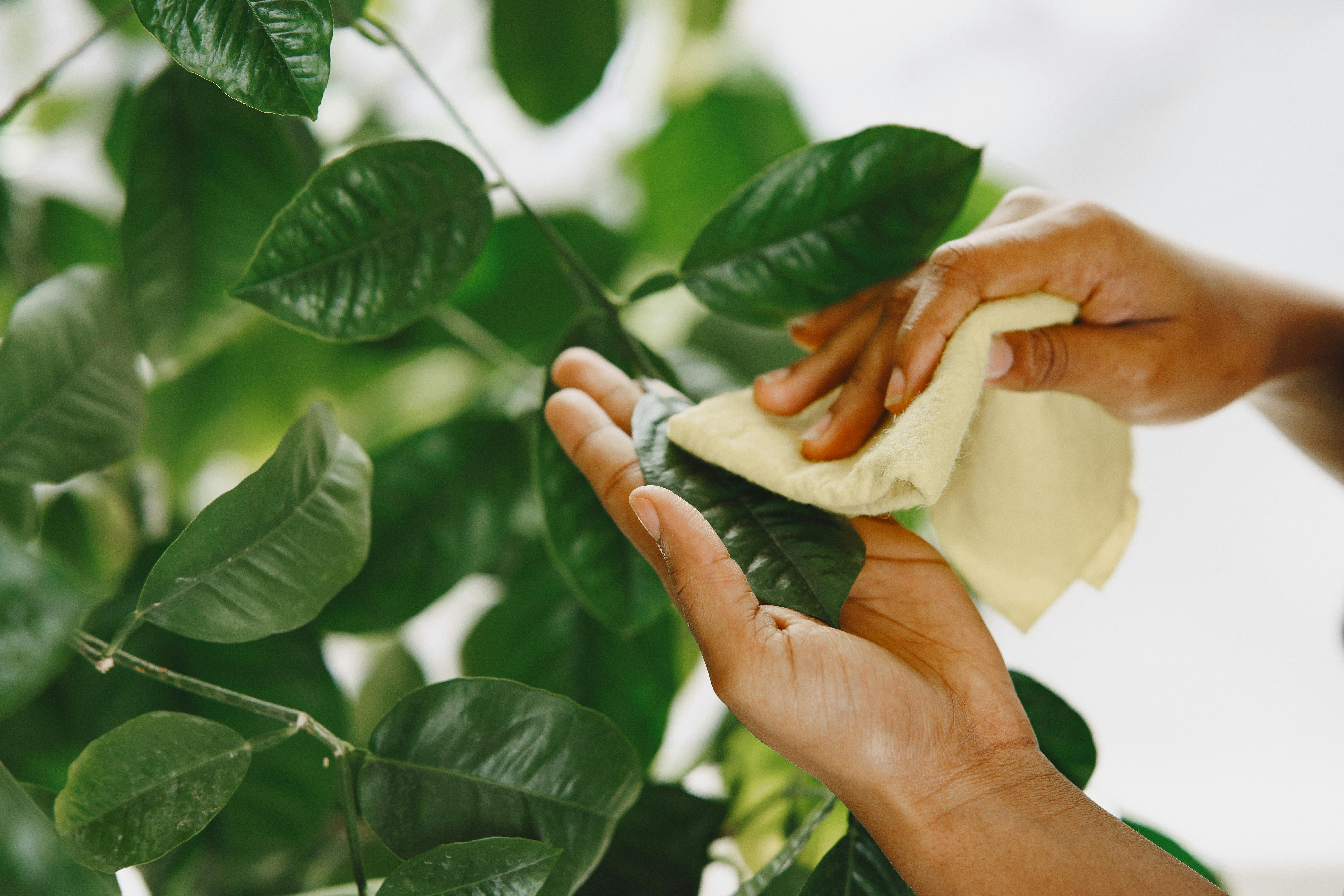
I genuinely didn't think about cleaning my plant leaves for the first two years of growing houseplants. I watered, fertilized, repotted when needed — but wipe the leaves? That seemed like excessive fussing. Then I noticed that my rubber plant, which I'd been trying to encourage into faster growth for months, had leaves completely coated in a dull grey film of settled dust. When I finally wiped one clean with a damp cloth and watched the deep burgundy-green colour come back to life, I was genuinely embarrassed it had taken me so long. That plant doubled its growth rate in the two months after I started cleaning its leaves regularly. Leaf cleaning isn't cosmetic — it's a real and measurable part of plant care.
Why Clean Plant Leaves Matter for Plant Health
Plants collect solar energy through photosynthesis, and photosynthesis happens in leaf cells that contain chlorophyll. Dust, grime, hard water deposits, and pollutant residue settle on leaf surfaces and create a physical barrier between the leaf and incoming light. Even a moderate dust layer — the kind that makes leaves look dull rather than dramatically coated — measurably reduces photosynthetic efficiency. For plants already growing in suboptimal light conditions (which describes most indoor plants), this reduction can be the difference between adequate and insufficient energy production.
Leaves also exchange gases — taking in carbon dioxide and releasing oxygen through tiny pores called stomata. Heavy dust accumulation can partially clog these pores, reducing gas exchange efficiency and further limiting photosynthesis. Regular leaf cleaning maintains clear stomata and maximizes the leaf's ability to function. Scientific American's plant science coverage has examined how particulate accumulation on leaf surfaces reduces light absorption and photosynthetic rates in both field and indoor plant research contexts, confirming that dust removal is functionally beneficial rather than merely aesthetic.
How Often to Clean Plant Leaves
The frequency depends on your home environment and the plant species. Homes near busy roads, with dusty HVAC systems, or with pets shed more particulate matter onto leaf surfaces — these environments warrant cleaning every two to four weeks. Cleaner environments can get away with monthly cleaning for large-leafed plants and less frequent attention for small-leafed or textured species.
Large, smooth-leafed plants — rubber plants (Ficus elastica), monstera, fiddle-leaf figs (Ficus lyrata), pothos, peace lilies — accumulate the most visible dust and benefit most from regular cleaning. Fuzzy-leafed plants like African violets (Saintpaulia) and begonias should never be wiped with wet cloths — their hairy surfaces trap moisture and are prone to fungal rot. These plants are best cleaned with a soft dry brush. Plants with many small leaves, like ferns, are impractical to wipe individually and do better with a gentle shower of room-temperature water.
Safe Methods for Cleaning Plant Leaves
Damp Cloth Wiping
For large, smooth leaves, a soft damp cloth or microfiber cloth is the most effective and controlled cleaning method. Use room-temperature water — cold water can leave chilling marks on tropical leaves, and hard tap water can leave mineral spots. Distilled or filtered water is ideal if your tap water is very hard.
Support each leaf from below with one hand while wiping with the other — large leaves like monstera and rubber plant can snap at the petiole if you apply lateral pressure without support. Wipe from the stem outward toward the leaf tip in a single pass, rinsing the cloth regularly to avoid redistributing grime. For stubborn grime or hard water deposits, a tiny amount of diluted mild dish soap on the cloth (rinse thoroughly afterward) can help.
Gentle Showering
For plants with many smaller leaves — pothos, heartleaf philodendron, ferns, spider plants — taking the whole plant to the shower or bathtub and rinsing with a gentle stream of lukewarm water is the most efficient method. This simultaneously cleans leaves and flushes the soil of accumulated mineral salts. Use the lowest pressure setting or shield the soil surface with your hand to avoid disturbing the root zone. After showering, allow the plant to drain fully before returning it to its saucer. According to The Spruce's houseplant maintenance guides, the combination leaf-cleaning and soil-flushing shower is one of the most efficient all-in-one maintenance practices for multi-stemmed tropical houseplants.
Soft Brush for Fuzzy Leaves
African violets, Kalanchoe tomentosa (panda plant), Episcia, and other hairy-leaved plants cannot be wet-cleaned without risk of fungal issues. A soft makeup brush, watercolor brush, or dedicated plant cleaning brush used gently across the leaf surface dislodges dust without introducing moisture. Work in good light so you can see the dust you're removing, and work outward from the center of each leaf toward the margins.
Compressed Air
For cacti and succulent rosettes where wiping isn't practical and water should be kept off the foliage, a can of compressed air (the same kind used for electronics) or a gentle squeeze bulb can remove surface dust effectively. Keep the nozzle several inches away and use short bursts to avoid shocking the plant with temperature differentials.
What Not to Put on Plant Leaves
Commercial leaf shine products — those glossy sprays sold to give plant leaves a polished appearance — are one of the most commonly misused products in houseplant care. Most contain wax, mineral oil, or silicone compounds that do give leaves a dramatic temporary shine, but they clog stomata, accumulate grime faster than untreated leaves, and require increasingly frequent reapplication to maintain their appearance. Over time, leaf-shine products impair the gas exchange and photosynthesis function they're applied to a leaf that's supposed to perform. I avoid them entirely and find that naturally clean leaves — wiped with water alone — have a beautiful, healthy shine of their own. Gardening Know How's leaf care guides caution against the regular use of oil-based leaf-shine products, noting that they physically impede stomatal function and can attract rather than prevent additional dust accumulation.
Milk is sometimes recommended online as a leaf-shine treatment for rubber plants and similar species. It does work briefly as a surface treatment but goes rancid in the residue it leaves on the leaf surface, attracting bacterial growth and creating an unpleasant smell in warm rooms. Skip it.
Common Mistakes When Cleaning Plant Leaves
- Using cold water on tropical leaves: Can cause cold-shock spotting, especially on sensitive species like Ficus elastica and banana plants. Always use room-temperature water.
- Wiping fuzzy leaves with a damp cloth: Hairy leaf surfaces trap moisture and are prone to fungal rot and botrytis. Use a dry brush only.
- Applying leaf shine products regularly: Clogs stomata and impairs photosynthesis over time. Clean water is all a healthy leaf needs.
- Wiping leaves without supporting them from below: Large leaves can snap at the petiole when lateral pressure is applied without support. Always use both hands.
- Cleaning the same plant every day: Over-handling stresses plants and can introduce contaminants from your hands (natural oils, residues) onto the leaf surface. Monthly is sufficient for most plants.
Quick Reference Leaf Cleaning Table
| Plant Type | Best Cleaning Method | Avoid |
|---|---|---|
| Large smooth-leafed (rubber plant, monstera, fiddle-leaf fig) | Damp microfiber cloth, wipe stem to tip | Cold water; leaf shine sprays |
| Small multi-leafed (pothos, philodendron, spider plant) | Gentle lukewarm shower | High-pressure water; soap residue |
| Fuzzy-leafed (African violet, panda plant) | Soft dry brush only | Any moisture on leaves |
| Cacti and succulents | Compressed air or dry brush | Wet wiping; leaf shine products |
| Ferns | Gentle shower; misting with clean water | Wiping individual fronds; harsh water pressure |
Frequently Asked Questions
Does cleaning plant leaves prevent pests?
Yes — regular leaf cleaning disrupts pest populations and makes it easier to detect infestations early. Spider mites, scale, and mealybugs prefer the sheltered, dusty underside of leaves. Wiping leaves regularly removes minor pest populations before they establish, and the close inspection involved means you'll spot an infestation in its early stages rather than after it's spread throughout the plant.
Can I use baby wipes or disinfecting wipes to clean plant leaves?
Plain, unscented baby wipes with no additives are generally safe for occasional leaf cleaning. Disinfecting wipes — which contain isopropyl alcohol, bleach, or other chemical agents — can damage leaf surfaces, strip the natural waxy cuticle, and cause chemical burn on sensitive foliage. Stick to plain water on a microfiber cloth or unscented baby wipes for safe, reliable results.
My plant has yellowing leaves — will cleaning help?
If yellowing is caused primarily by insufficient light due to heavy dust accumulation, cleaning will help. But yellowing from overwatering, underwatering, nutrient deficiency, or other root-zone issues won't improve through leaf cleaning alone. Clean the leaves as a maintenance step, then diagnose the yellowing systematically — addressing the root cause will produce far more improvement than leaf cleaning alone.
Taking 20 minutes once a month to wipe down your plants' leaves is one of the simplest, most overlooked maintenance steps in houseplant care — and one of the most rewarding when you see how much better clean leaves look and how much more vigorously the plants grow. Try it with your dullest-looking plant this week and see the difference. Share your leaf-cleaning wins in the comments below, and check out our posts on flushing houseplant soil to remove mineral buildup and how to identify and treat fertilizer burn on houseplant leaves.
About the Author
{AUTHOR} is a passionate gardener and plant enthusiast sharing tips for a greener life.