How to Care for Succulents Indoors
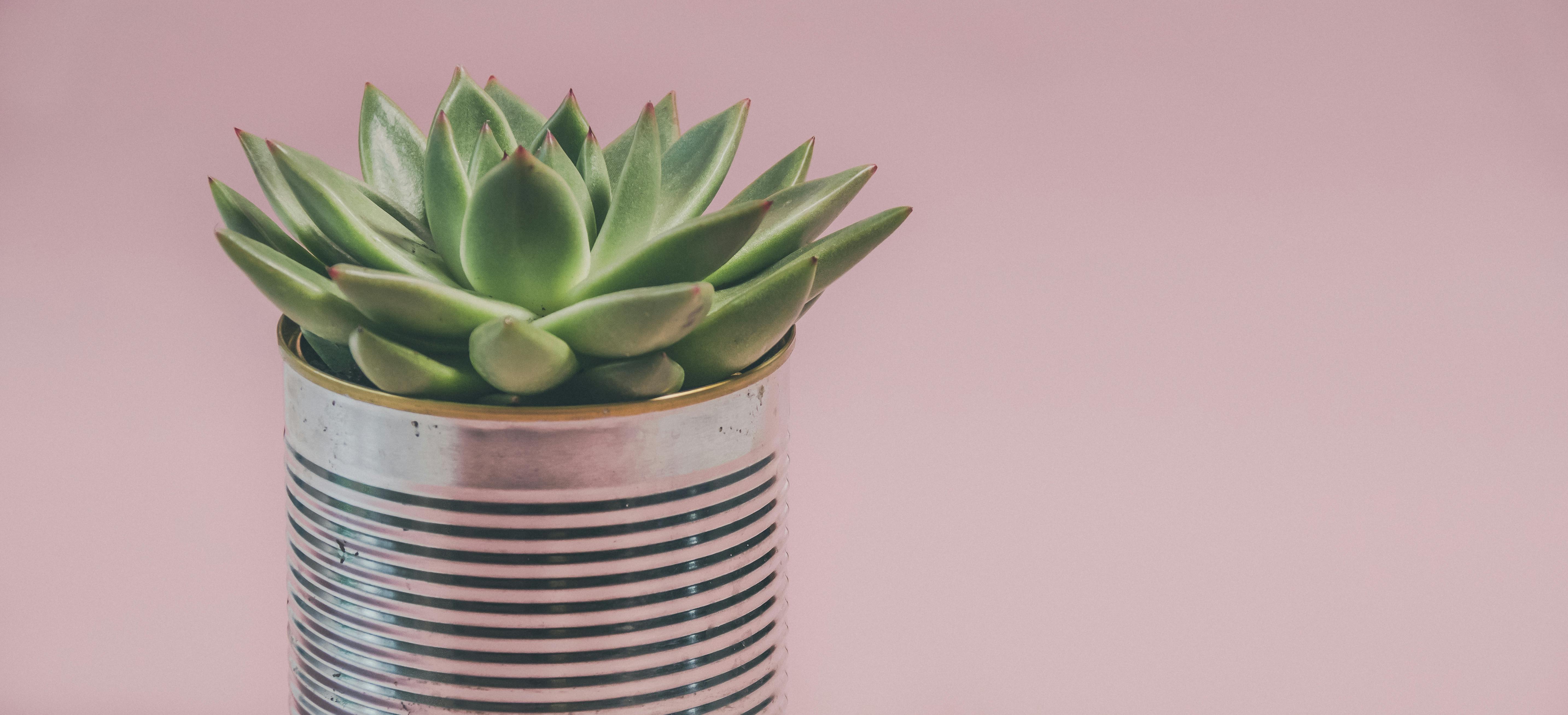
Bringing the Desert Inside: Keys to Indoor Succulent Success
My first succulent dish garden turned to mush within months. I learned that growing succulents like Echeveria and Sedum indoors requires replicating their native arid conditions, which centers on two things: Light and Drainage.
#1 Priority: Maximize Light Exposure
Succulents need direct sunlight for at least 4-6 hours daily. A south or west-facing window is mandatory. In northern climates, they often stretch (etiolate) seeking light. If natural light is insufficient, supplement with a full-spectrum LED grow light placed 6-12 inches above the plants for 12-14 hours a day.
The Perfect Watering Technique
Drench the soil completely when it is 100% dry throughout—not just on the surface. Then, allow it to dry out completely again. This 'soak and dry' method encourages strong roots. In winter, watering frequency may drop to once a month or less.
Soil and Pot: The Drainage Duo
Soil: Standard potting soil holds too much
moisture. Use a specialized
cactus & succulent mix or make your own (2
parts potting soil, 1 part perlite, 1 part coarse sand).
Pot:
Always use a pot with a drainage hole. Unglazed terracotta is
ideal because it wicks away moisture.
Common Mistakes to Avoid
- Misting: Succulents hate wet leaves. It promotes rot and fungus.
- Using a Pot Without a Drainage Hole: This is a death sentence.
- Watering on a Schedule: Always check soil moisture first.
- Assuming All Succulents Are the Same: Some (like String of Pearls) need more frequent water than others (like Lithops).
Authority Reference: The Succulent Guide and university extensions provide species-specific care, which is crucial for success.

About the Author
Sage Avery is a plant care writer and home horticulture enthusiast with over seven years of hands-on growing experience across indoor tropicals, companion gardens, and balcony food gardens. Growing in USDA Zone 7, Sage has tested dozens of soil mixes, propagation methods, and companion planting combinations and writes from real results, not just theory. Every guide at Plant Companion Guide is written to help beginners avoid the mistakes that cost plants their lives.