Houseplant Fertilizer Burn: Signs and Recovery
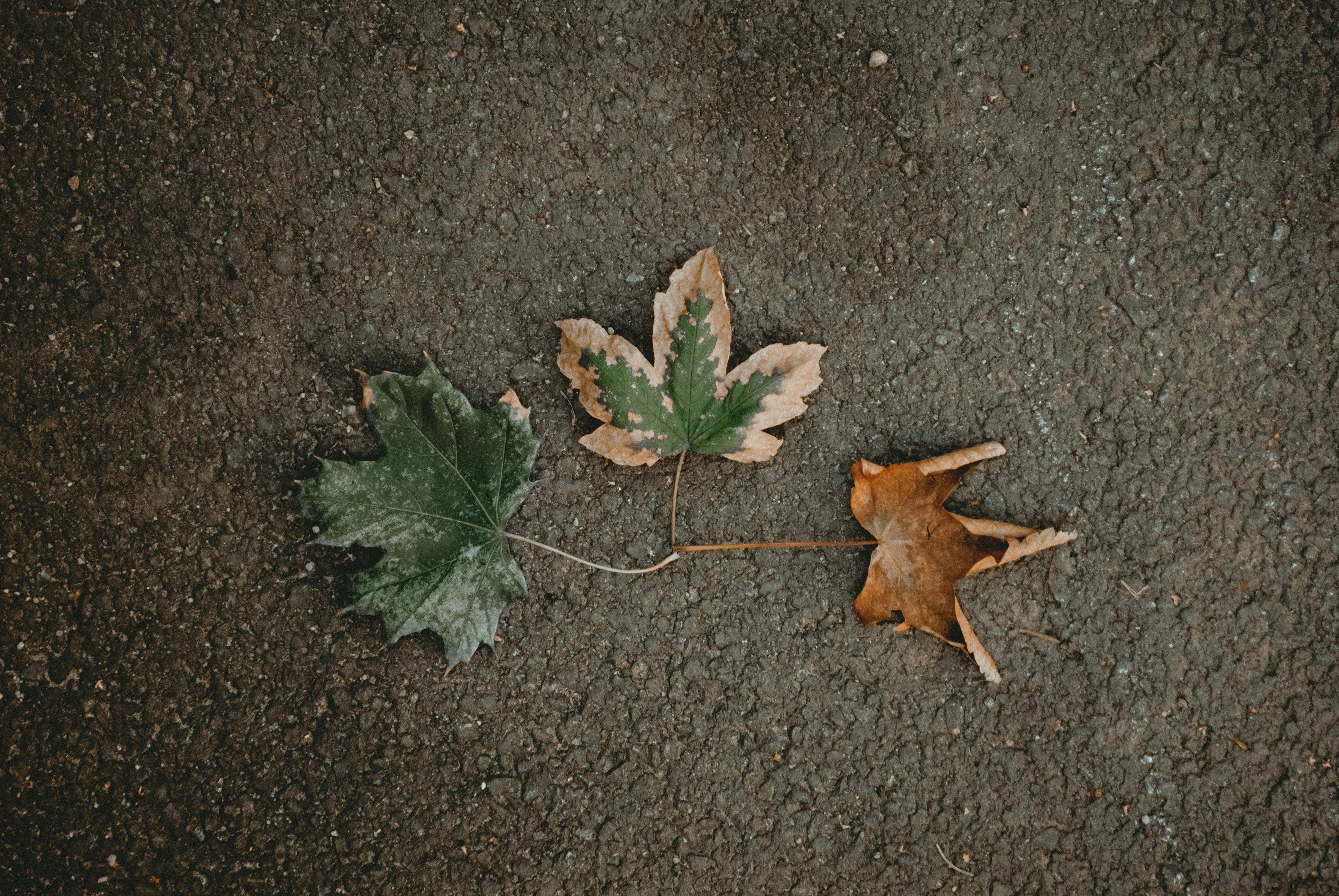
The first time I saw fertilizer burn on a houseplant, I didn't recognize it for what it was. My 'Neon' pothos had developed crisply brown leaf tips over a few weeks, and I assumed it was a humidity problem — I was running the heat heavily that winter. I added a humidifier. The browning continued. I misted. Still browning. It wasn't until I mentioned the issue to another plant parent and she asked what fertilizer I was using that I ran through my recent care history and realized I'd been feeding every two weeks at full strength for four months straight, including through the low-light winter weeks when the plant was barely growing. The soil was loaded with mineral salts. The root damage was real. That experience taught me to recognize fertilizer burn as its own distinct syndrome — and to respect the cumulative nature of over-feeding.
What Fertilizer Burn Is and How It Happens
Fertilizer burn — also called salt stress or nutrient toxicity — occurs when mineral salt concentrations in the potting medium rise high enough to cause osmotic stress to the root system. Here's the underlying chemistry in simple terms: water moves across root cell membranes from areas of lower solute concentration to higher solute concentration. In a healthy, well-managed pot, the soil solution has a lower mineral concentration than the inside of root cells, so water naturally moves into the roots. When fertilizer salts accumulate to high levels, this gradient reverses — the soil solution becomes more concentrated than the root cells, and water is actually drawn out of the roots rather than in. The result is physiological drought stress, even in a well-watered plant.
This is why fertilizer-burned plants often look underwatered: wilting, leaf curl, browning at the tips and margins — all symptoms of drought stress — despite adequate soil moisture. The roots are essentially dehydrated from the outside in, by the concentrated salt environment surrounding them. University of Minnesota Extension's plant nutrition guides describe this osmotic reversal as the primary mechanism of fertilizer salt toxicity in container plants, noting that it's a cumulative phenomenon that builds over multiple fertilizer applications rather than appearing immediately after a single application.
How to Identify Fertilizer Burn on Your Plants
The most consistent visual sign of fertilizer burn is browning that starts specifically at leaf tips and margins and progresses inward. This pattern is distinct from other browning causes: overwatering browns tend to be soft, mushy, and often yellow before browning; underwatering browns tend to be overall and sometimes accompanied by wilting; cold damage appears as irregular patches rather than tip-specific browning. Fertilizer burn browning is characteristically crispy, dry, and follows leaf margins precisely — as if the leaf edges were held near heat.
Soil-level signs are equally diagnostic. White, crusty deposits on the soil surface, on the interior walls of terracotta pots, or on the exterior of porous containers indicate salt crystallization — mineral compounds from fertilizer and tap water that have concentrated and crystallized as water evaporated. This visible crust is a reliable signal that the concentration of salts in the soil below is elevated significantly. A plant showing both white soil crust and leaf-tip browning is almost certainly suffering from salt accumulation, and fertilizer is the primary contributor in most cases.
The Emergency Response: How to Treat Fertilizer Burn
The treatment for fertilizer burn is straightforward but must be done promptly and thoroughly. The goal is to flush accumulated salts out of the medium before they cause further root damage.
- Stop fertilizing immediately. This seems obvious, but it's the first and most important step. No additional fertilizer until the plant has fully recovered — typically four to eight weeks minimum.
- Flush the soil thoroughly. Take the plant to a sink, tub, or outdoor area and pass a volume of water equal to two to three times the pot volume slowly through the medium. Pour slowly and allow the water to drain completely before adding more. This process dissolves accumulated salt deposits and carries them out through the drainage holes. Use room-temperature water — cold water can thermally stress already-compromised roots.
- Allow full drainage. After flushing, allow the pot to drain completely for 20 to 30 minutes. Don't rush this step — you want the salt-laden flush water to exit fully rather than being reabsorbed.
- Remove severely damaged leaves. Leaves with extensive brown-tip or margin damage won't recover. Removing them cleanly redirects the plant's energy toward new, healthy growth and also removes the visual stress indicator, helping you assess recovery progress more clearly going forward.
- Assess the root zone. If the burn has been ongoing for several weeks, consider sliding the plant out of its pot and inspecting the roots. Salt-burned roots often appear brown and dry at the tips rather than white and firm. Trim damaged root tips with sterile scissors and repot into fresh medium if root damage is significant.
After flushing, withhold fertilizer for at least four weeks and resume at one-quarter your previous strength for the first two applications before gradually returning to a normal feeding rate. According to Gardening Know How's fertilizer burn treatment guides, the extended post-flush fertilizer pause is critical because damaged root systems are more sensitive to salt even at normal concentrations and can be re-stressed by resuming normal feeding too quickly after a flush.
How Long Does Recovery Take?
Recovery timeline depends on the severity of root damage. For mild cases where only leaf tips are affected and roots appear healthy after inspection, new growth typically emerges within three to four weeks of the flush and looks noticeably better than the burned growth. The existing burned leaves won't recover — those cells are dead — but new leaves should emerge clean and normal in size and color.
More severe cases with significant root damage may take two to three months to show meaningful recovery. If the plant produces no new growth four to six weeks after flushing and repotting, the root damage may have been too extensive to recover from. However, many plants that look very stressed after fertilizer burn make surprising recoveries once the salt environment is corrected — give them time before giving up.
How to Prevent Fertilizer Burn Going Forward
Prevention is far easier than recovery. The three most effective preventive habits are: always use fertilizer at half the label-recommended strength; always pause feeding during winter when plant growth slows; and flush the soil with plain water at least once or twice per year to reset accumulated salt levels. These three steps together virtually eliminate fertilizer burn risk in a well-managed collection. According to Missouri Botanical Garden's plant nutrition resources, diluting fertilizer below label-recommended concentrations is the most commonly recommended adjustment for home gardeners, as label concentrations are often calibrated for commercial production settings with more frequent soil monitoring than typical home growers perform.
Common Mistakes That Lead to Fertilizer Burn
- Applying fertilizer at full label strength: Label concentrations are calibrated for fast-growing commercial production, not the lower-light, slower-growth conditions of most home interiors. Half strength is the practical standard for most houseplants.
- Continuing to fertilize through winter: Reduced winter growth means minimal nutrient uptake — continued feeding just builds salt levels.
- Using slow-release fertilizer and then also liquid-feeding: Combining two fertilizer types creates an inadvertent double-dose situation. Choose one delivery method per plant per season.
- Fertilizing dry soil: Always water your plant before fertilizing if the soil is dry. Fertilizing into dry medium concentrates salts at the root zone immediately rather than distributing them evenly as they would be in moist soil.
- Never flushing the soil: Without periodic flushing, salt accumulation is inevitable regardless of how carefully you dose your fertilizer.
Quick Reference Fertilizer Burn Table
| Symptom | Burn Severity | Recommended Action |
|---|---|---|
| Crispy brown leaf tips on newest growth | Mild | Flush soil; pause feeding 4 weeks; resume at quarter strength |
| Brown tips and margins; white soil crust | Moderate | Thorough flush; inspect roots; pause feeding 6 weeks |
| Wilting despite watering; widespread browning; brown root tips | Severe | Flush; trim damaged roots; repot in fresh medium; 8-week feeding pause |
| White crystalline crust on soil only; no leaf symptoms yet | Pre-symptomatic | Flush preventively now; reduce fertilizer strength by half going forward |
Frequently Asked Questions
Can fertilizer-burned leaves turn green again after flushing?
No — once leaf tissue has turned brown and crispy from salt burn, those cells are dead and will not recover regardless of how well the plant responds to treatment. The indicator of recovery is new, healthy green growth emerging from nodes and growth points after the flush. Remove burned leaves once recovery is underway to give the plant a cleaner appearance and redirect resources toward new growth.
Is organic fertilizer safer than synthetic for avoiding burn?
Organic fertilizers — fish emulsion, kelp meal, worm castings, compost tea — generally have lower salt indexes than synthetic fertilizers and are less likely to cause acute burn when used at recommended rates. They also release nutrients more slowly and in more complex forms that require microbial activity to break down. This makes them more forgiving but not entirely burn-proof; overapplication of organic fertilizers can still cause salt accumulation over time, especially in the enclosed environment of a container with limited microbial activity.
My plant has brown tips but I haven't fertilized in months — is it still fertilizer burn?
If you haven't fertilized recently, brown tips are more likely caused by low humidity, fluoride sensitivity (common in spider plants, dracaenas, and peace lilies), inconsistent watering, or cold air from nearby windows or HVAC vents. Check the soil — if there's no white salt crust and you've been feeding infrequently, pursue the humidity and water quality diagnoses before assuming fertilizer is involved. The presence or absence of white soil crust is the most reliable distinguishing indicator.
Fertilizer burn is one of the most common and most correctable plant problems — the treatment is just water, and the prevention is just restraint. Once you develop the habit of feeding at half strength and flushing annually, you'll rarely see it again. Drop your fertilizer questions in the comments below, and check out our related posts on how often to fertilize your houseplants through the seasons and how to flush houseplant soil to clear mineral buildup.
About the Author
{AUTHOR} is a passionate gardener and plant enthusiast sharing tips for a greener life.