Do Plants Need Fertilizer in Winter?
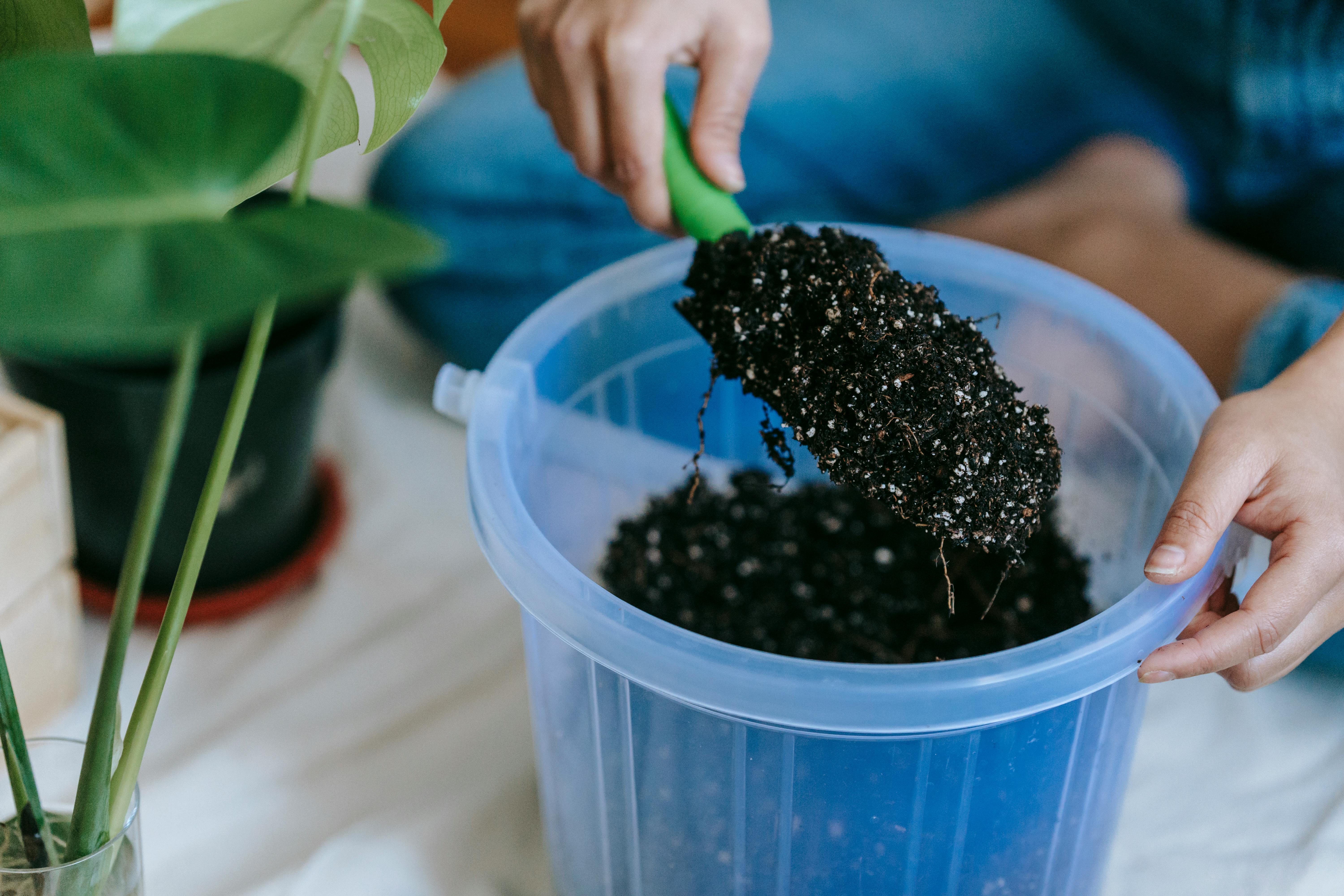
My first winter with houseplants, I just kept doing everything the same as I had in summer — same watering schedule, same fertilizing every three weeks. By February, half my plants had yellowing leaves, salt crust on the soil, and what looked like fertilizer burn on the leaf tips. I couldn't figure out what was wrong until a more experienced grower looked at my setup and asked, simply, "Are you still fertilizing?" When I said yes, she just shook her head. Winter is not a neutral season for houseplants — it's a period of reduced light and slower growth that fundamentally changes what your plants need from you, and fertilizer is right at the top of the "pause and reconsider" list.
Why Most Houseplants Slow Down in Winter
The primary trigger for reduced plant growth in winter is not temperature — it's light. Day length in North America drops significantly between November and February, even indoors where temperature is controlled. The intensity and duration of light available through windows decreases dramatically in winter, particularly in northern states and Canadian provinces. Shorter days mean fewer hours of photosynthesis; lower light intensity means each hour of light produces less usable energy. The result is that most houseplants shift into a slower metabolic state — not true dormancy in the way outdoor perennials experience it, but a period of genuinely reduced growth and reduced nutrient demand.
When you fertilize a plant that isn't actively growing, the nutrients you add don't get used. They accumulate in the soil as mineral salts. Over weeks of winter fertilization, salt levels in the medium build to the point of causing osmotic stress — roots can't absorb water efficiently, and the concentrated salt environment burns root tissue. This is why the primary symptom of over-winter fertilization is so similar to fertilizer burn: brown leaf tips, yellowing margins, and stunted new growth. University of Maryland Extension's houseplant care guides recommend pausing or significantly reducing fertilization for most tropical houseplants between November and March, aligning feeding schedules with the plant's natural light-driven growth cycle rather than a fixed calendar date.
When to Stop Fertilizing and When to Resume
Rather than using the calendar as your guide, use your plant's behavior. The practical rule I follow: stop fertilizing when you stop seeing consistent new growth. For most houseplants in northern North America, this happens sometime in October or November as day length decreases. When new leaves stop emerging at the same pace as spring and summer, the plant is telling you it has shifted gears. Resume fertilizing in early spring — typically late February to March — when new growth begins appearing again and natural light levels increase. For me, the first new leaf on my monstera after winter is my signal to resume feeding at half strength.
If you use grow lights to supplement winter light, your plants may continue growing more actively through winter than those relying solely on window light. In this case, very light fertilization — perhaps half your normal summer dose every six to eight weeks — can support that continued growth without risking salt accumulation. The key is matching fertilizer input to actual growth output. Gardening Know How's seasonal houseplant care guides provide helpful guidelines on aligning fertilization schedules with seasonal light changes, noting that grow-light growers can often maintain a reduced feeding schedule through winter while window-only growers should pause entirely.
Which Plants Can and Cannot Be Fertilized in Winter
Plants That Should Definitely Rest From Feeding
Tropical foliage plants that produce the bulk of their growth in spring and summer — monsteras, pothos, philodendrons, peace lilies, snake plants, rubber plants, fiddle-leaf figs — should not receive fertilizer from November through February in most North American homes. Their reduced winter growth rate means nutrient demand is minimal, and continued feeding builds up harmful salt concentrations in the medium.
Plants That May Benefit From Winter Feeding
Winter-flowering houseplants that bloom between November and March have active nutrient demands during this period and should continue receiving appropriate fertilizer. Cyclamen, holiday cactus (Schlumbergera), Christmas cherry (Solanum pseudocapsicum), and forced spring bulbs are examples of plants actively flowering or developing blooms during winter months. Feed these plants according to their bloom stage rather than the season. Similarly, cool-season herbs grown indoors — parsley, cilantro, chives — grow actively through winter in a bright window and benefit from light monthly feeding.
The Right Fertilizer for the Transition to Spring
When you resume spring fertilization after a winter pause, the approach matters as much as the timing. Don't jump straight back to full-strength feeding. Start with a half-strength dose of balanced liquid fertilizer (10-10-10 or similar) for the first two to four applications, gradually increasing to your normal rate as growth accelerates. This allows the root system — which has been in a lower-activity state through winter — to ramp up its nutrient-processing capacity without being overwhelmed by a sudden surge of fertilizer salts.
Spring is also a good time to flush the soil before resuming fertilization, particularly if you did fertilize lightly during winter. Passing two to three times the pot volume of room-temperature water through the medium removes accumulated winter salts and gives you a clean baseline for the new growing season. According to Missouri Botanical Garden's container plant care resources, a spring soil flush before resuming the growing season fertilization schedule is a recommended practice for maintaining optimal root health in long-term container plantings.
Common Mistakes Around Winter Fertilizing
- Continuing summer fertilizer schedules through winter: Reduced growth means reduced uptake — excess fertilizer accumulates as harmful salts.
- Fertilizing to "fix" yellowing winter leaves: Winter yellowing is usually caused by low light, not nutrient deficiency. Fertilizing a low-light, slow-growing plant adds fuel to the salt-buildup fire.
- Resuming full-strength fertilizer in January at the first sign of new growth: New growth in January under low winter light is usually weak and exploratory, not a sign the plant has resumed full metabolic activity. Wait for consistent growth or improving light levels before resuming at full rate.
- Not flushing soil in spring before the new fertilizer season: Any winter salt accumulation should be cleared before adding more nutrients in spring.
- Treating all plants the same regardless of their blooming cycle: Winter bloomers need feeding when they're flowering — the seasonal rule applies to dormant plants, not actively blooming ones.
Quick Reference Winter Fertilizing Table
| Plant Type | Winter Feeding Recommendation | Resume Spring Feeding |
|---|---|---|
| Tropical foliage plants (monstera, pothos, philodendron) | Pause entirely Nov–Feb | Late Feb–March when new growth resumes |
| Snake plants, ZZ plants | Pause entirely Nov–March | March–April; half-strength to start |
| Winter bloomers (cyclamen, holiday cactus) | Feed during bloom period | Reduce or pause after bloom ends |
| Indoor herbs (parsley, chives, basil) | Light monthly feed if actively growing under lights | Increase with light levels |
| Grow-light plants with active growth | Half-strength every 6–8 weeks | Increase as natural light supplements grow-light hours |
Frequently Asked Questions
My plant produced new leaves in December — does that mean I should fertilize it?
A single new leaf in December doesn't necessarily indicate the plant has resumed active growth. Observe whether growth continues consistently over the following two to four weeks before resuming fertilization. A single leaf emergence followed by several weeks of stasis suggests the plant is still in its reduced-activity winter state. Consistent, ongoing new growth is the better signal for resuming light feeding.
What happens if I accidentally fertilize during winter?
One or two accidental winter applications at normal dilution won't immediately destroy your plant. The risk builds with repeated winter fertilizing over the full November-to-February period. If you've fertilized once or twice during winter and are seeing salt accumulation signs (white soil crust, leaf tip browning), flush the soil thoroughly with room-temperature water and pause feeding until spring. The plant will recover once salt levels are reduced.
Should I also reduce watering in winter?
Yes — reduced light and growth in winter means reduced water uptake and slower soil drying. Most houseplants need significantly less frequent watering in winter than in summer. The same "water when the top inch of soil is dry" rule applies, but you'll find that point arrives much less frequently in winter — sometimes half as often as in the growing season. Continuing the same summer watering schedule through winter is one of the most common causes of winter root rot.
Getting your winter plant care right comes down to one central principle: match your inputs to your plant's actual output. Less light means less growth, less growth means less feeding and less water, and respecting that cycle makes the difference between plants that emerge from winter strong and plants that limp into spring depleted and struggling. Share your winter plant care routine in the comments below, and check out our guides on how often to fertilize houseplants throughout the year and how to flush your houseplant soil in spring.
About the Author
{AUTHOR} is a passionate gardener and plant enthusiast sharing tips for a greener life.