Do Indoor Plants Need Drainage Holes?
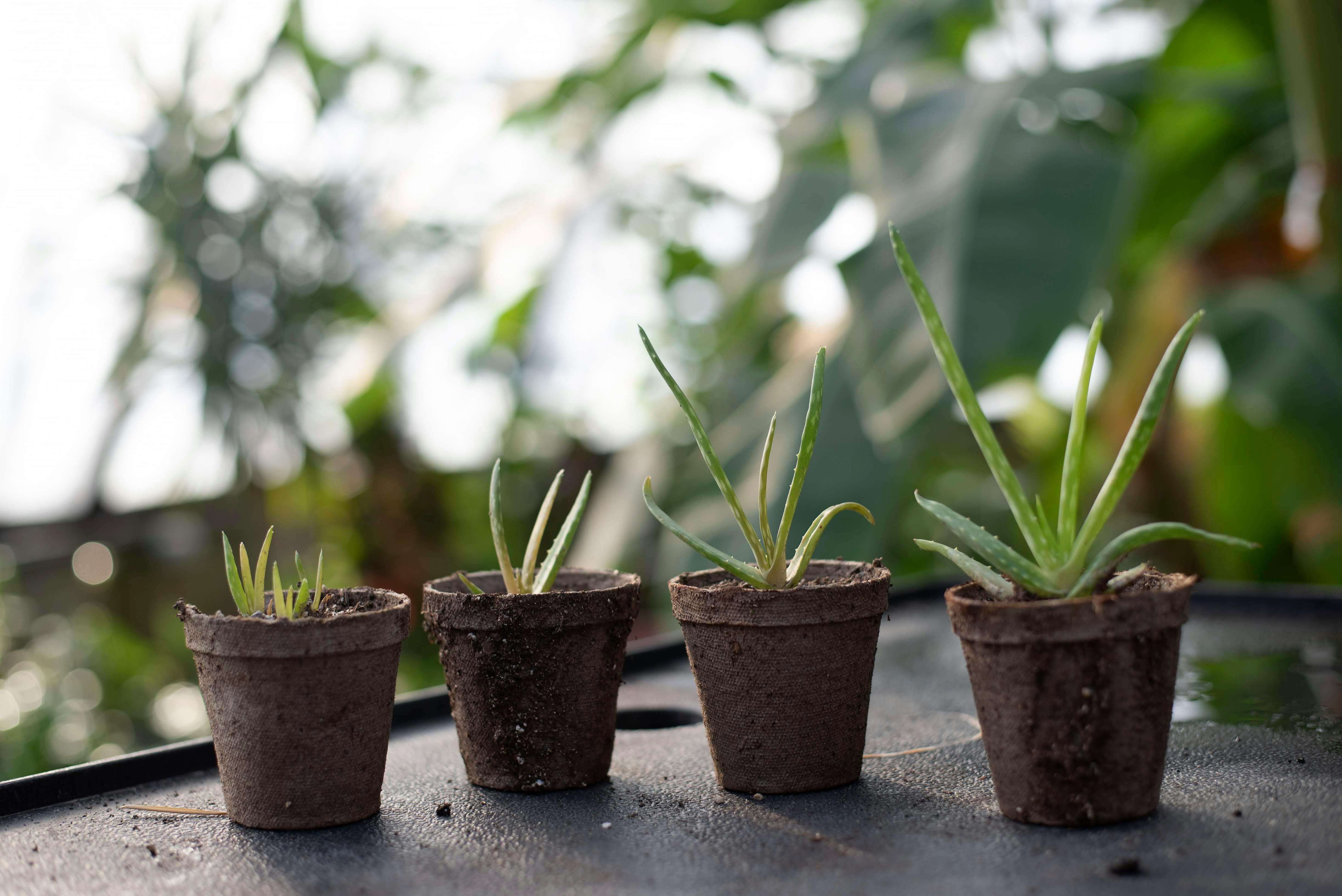
The prettiest pot I ever owned had absolutely no drainage hole. It was a hand-painted ceramic piece I bought at a local market, and I planted a vibrant 'Neon' pothos in it without a second thought. Six months later, the roots had rotted in a pool of standing water at the bottom, and the plant was unsaveable. That pot now holds my TV remote. The experience wasn't just painful — it permanently changed how I think about pot selection. Drainage holes aren't a nice-to-have feature. For the vast majority of houseplants, they're a fundamental requirement for long-term health.
What Happens Without Drainage Holes
When a pot has no drainage hole, every bit of water you add to the soil stays there. It has nowhere to go except deeper into the pot, pooling at the base beneath the root zone. Over time — and depending on the plant, the soil, and your watering frequency, "over time" can be as little as six weeks — this standing water creates an anaerobic, oxygen-depleted zone in the lower pot. Roots in this zone can't breathe. They begin to break down. Fungal and bacterial pathogens take hold. Root rot develops from the bottom up, often completely invisible until a significant portion of the root system is destroyed.
The insidious thing about root rot in undrained pots is how long it can go undetected. The plant often looks normal — or even slightly lush from the excess moisture — right up until it begins yellowing, wilting, or collapsing, at which point the damage is usually too extensive to reverse. According to University of Maryland Extension's home gardening resources, root rot resulting from poor drainage is one of the most common causes of houseplant death, and the condition is almost entirely preventable with appropriate container selection.
Do Any Indoor Plants Grow Well Without Drainage?
Very few — and even those that can tolerate it aren't thriving without drainage, they're simply surviving it. Some aquatic or semi-aquatic plants like lucky bamboo, peace lily, and certain aquatic ferns can grow in standing water deliberately, because their root systems are adapted to submerged or saturated conditions. These are the exceptions, not the rule.
Bog plants — species like pitcher plants, sundews, and some sedges — also tolerate consistent moisture at their roots. But these are specialist plants grown for specific purposes; they're not typical houseplants. For the common tropical houseplants that fill most homes — pothos, monsteras, snake plants, peace lilies, philodendrons, ficus, dracaenas, spider plants, calathea — drainage is strongly preferred for long-term health. Even moisture-loving species like calathea can develop root rot in an undrained pot if watered on a normal schedule. Missouri Botanical Garden's container plant resources confirm that drainage is the single most important structural factor in containers used for the vast majority of indoor and tropical plants.
The Gravel Layer Myth
One of the most persistent pieces of houseplant folklore is the advice to place a layer of gravel, pebbles, or pot shards at the bottom of a container without drainage to "improve drainage." This does not work — and there's a physical reason why. Water in soil moves by capillary action, pulled through pore spaces by adhesive forces. When moving soil meets a coarser material like gravel, capillary action is disrupted and water stops moving — it accumulates at the soil/gravel interface rather than passing through into the coarser layer below. The result: your soil actually stays wetter when you add gravel than without it.
This has been demonstrated repeatedly in horticultural research. The gravel layer does not create drainage — it creates a perched water table that keeps roots wetter than they would be in a pot with just soil and no gravel. Scientific American's plant science coverage has examined this phenomenon in the context of plant science, and horticultural researchers consistently confirm that drainage holes — not substrate layers — are the only reliable solution to the waterlogging problem in container plants.
How to Use Decorative Pots Without Drainage Safely
The good news is that you absolutely don't have to sacrifice beautiful decorative pots — you just have to use them smartly. The two-pot system is the most reliable approach: use a functional nursery pot with drainage holes as the actual growing container, and place it inside the decorative pot as a cachepot. The plant lives in the inner pot. The outer pot provides the visual appeal without ever touching the plant's root system.
When you water, remove the inner pot, water thoroughly over a sink or outside, let it drain completely for 15 to 20 minutes, then return it to the decorative outer pot. This takes about 30 seconds of extra effort and completely eliminates waterlogging risk. I use this system with all my cachepots — my most attractive decorative planters have nursery pots inside them that I've been using for years.
An alternative is to drill a drainage hole in the decorative pot. Many ceramic and terracotta pots can be drilled with a masonry or diamond-tipped drill bit. I've done this successfully with several pots using a standard cordless drill and a diamond-tipped bit — the key is to drill slowly, keep the bit cool with water, and use low speed to avoid cracking the ceramic. Gardening Know How's container gardening guides provide step-by-step drilling instructions for ceramic and terracotta pots, including the exact bit types and technique to avoid cracking.
Drainage Holes and Saucer Management
Having a drainage hole is only part of the equation — what you do with the water that drains out matters too. Saucers are essential for catching drainage and protecting surfaces, but they must be emptied promptly. Allowing water to sit in a saucer — especially for more than 30 minutes after watering — allows it to be reabsorbed back into the soil through the drainage hole. A consistently full saucer under a snake plant or succulent essentially recreates standing-water conditions at the root zone.
The one exception: some moisture-loving plants like peace lilies and ferns can benefit from a shallow layer of water in the saucer to provide a humidity buffer — but even these species should have the saucer emptied and refreshed regularly rather than left to stagnate. A pebble tray with water maintained below the pot's base is a better long-term humidity solution than a standing-water saucer.
Common Mistakes Around Drainage
- Trusting the gravel-layer method: This creates a perched water table that keeps soil wetter, not drier — it does not improve drainage.
- Buying a pot solely for appearance: Always verify drainage before purchasing. Many beautiful pots are designed for decor, not horticulture.
- Leaving water in saucers: This defeats the purpose of drainage holes and keeps the root zone wetter than intended.
- Assuming succulents can survive no-drainage pots if watered carefully: Even careful watering accumulates excess moisture over time in a no-drainage container.
- Not using the two-pot system: Cachepots without drainage are manageable when used as outer sleeves, but only if the inner pot drains freely.
Quick Reference Care Table
| Plant Type | Drainage Requirement | No-Drainage Risk Level |
|---|---|---|
| Succulents and cacti | Essential — absolutely required | Very high — rot within weeks to months |
| Snake plant, ZZ plant | Essential — absolutely required | Very high — extremely moisture-sensitive |
| Pothos, philodendron | Strongly recommended | High — tolerates brief no-drainage with very careful watering |
| Peace lily, calathea | Strongly recommended | Moderate-High — moisture-loving but still rots in standing water |
| Lucky bamboo (in water) | Not applicable — aquatic growing medium | Low — designed for water culture |
| Monstera | Essential — required for healthy root development | High — root rot develops in compacted, undrained soil |
Frequently Asked Questions
Can I water less frequently to compensate for no drainage holes?
In theory, yes — but in practice, this is extremely difficult to calibrate consistently. Even with careful watering, moisture accumulates at the bottom of undrained pots over time because evaporation from the soil surface doesn't remove water fast enough to clear the lower layers. Occasional underwatering or even a single generous watering can tip the balance toward root rot in a no-drainage container.
Are self-watering pots a good alternative to traditional drainage?
Self-watering pots use a reservoir system rather than a drainage hole — water is held in a lower reservoir and absorbed upward into the root zone through capillary action. This works well for moisture-loving plants that are difficult to underwater (peace lilies, herbs, vegetables), but poorly for drought-tolerant plants that need dry-down periods. They're not a universal drainage alternative, but they're a smart choice for specific plant types and for growers who travel frequently.
I've seen people grow plants in jars and vases with no drainage — why does it work for them?
Plants in jars or vases without drainage often work temporarily — especially if watering amounts are very small and carefully measured. The key word is "temporarily." Most plants grown this way either decline slowly over months or are switched to drainage-equipped containers once problems appear. The plants that genuinely thrive long-term in water containers are aquatic species specifically adapted for it, not typical tropical houseplants.
Drainage holes are the single most impactful feature of any plant container — and the most frequently overlooked one. Before you buy any pot, flip it over. If there's no hole, decide whether you'll use it as a cachepot or drill one yourself. Your plants will thank you for it. Share your drainage success stories (or cautionary tales) in the comments, and check out our related posts on how to flush houseplant soil to remove salt buildup and whether terracotta or plastic pots are better for your plants.
About the Author
{AUTHOR} is a passionate gardener and plant enthusiast sharing tips for a greener life.