Calathea Curling Leaves Fix
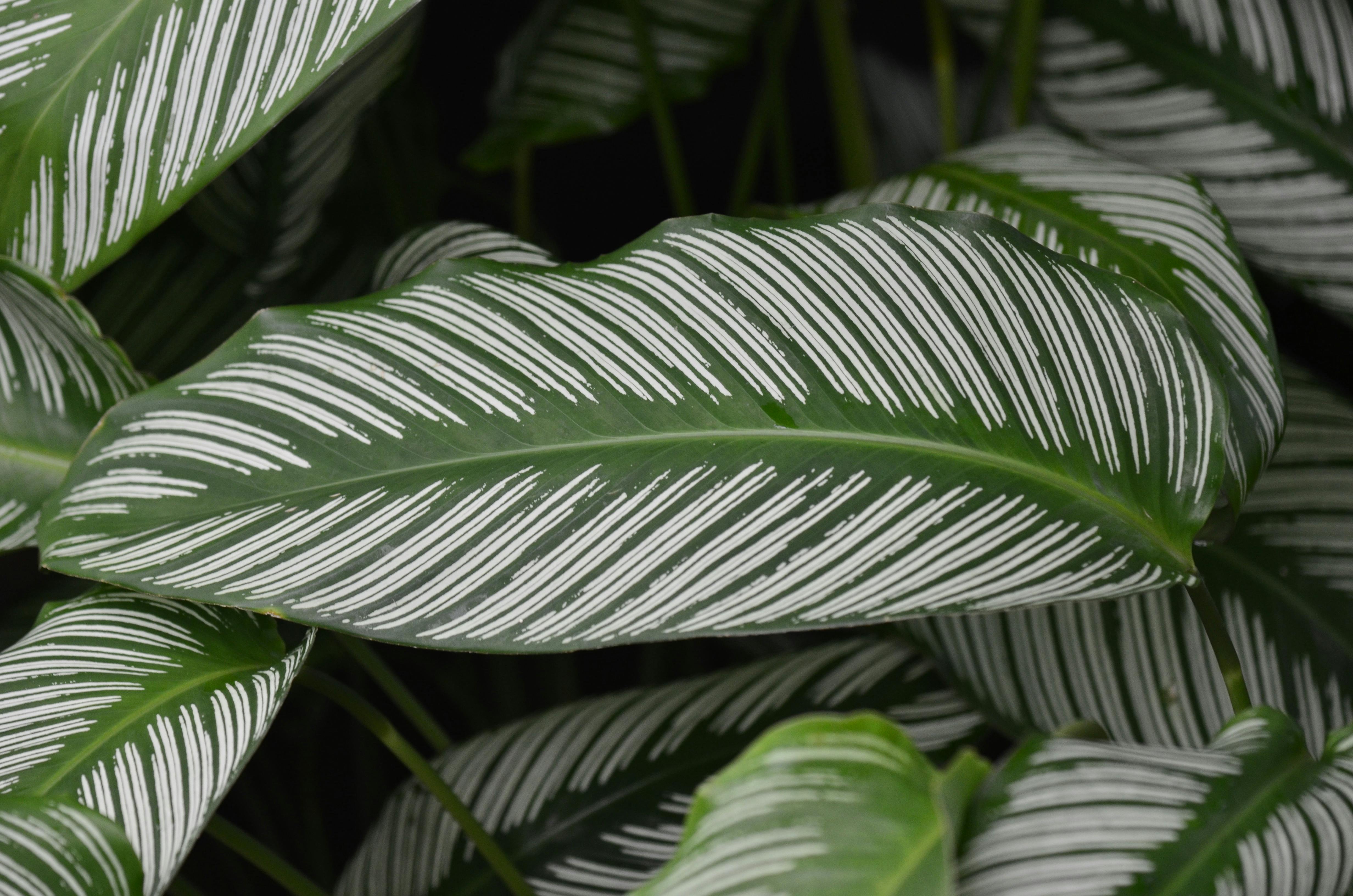
The first time my Calathea orbifolia curled into tight little “tacos,” it was the same week I turned on the heat (USDA zone 6). I watered more… and made it worse, because the soil was already damp. Calathea leaves curling is usually a stress signal, and humidity is often the loudest stressor in real homes.
Calathea Leaves Curling: Humidity, Water, and Light Troubleshooting
Calatheas (now often listed under Goeppertia) are sensitive to dry air, inconsistent moisture, and harsh light. The goal isn’t perfection—it’s consistency.
What curling usually means
In my home, curling most often points to dry air or underwatering. Curling plus crispy edges screams “humidity.” Curling plus wet soil suggests root stress. When I want a broad baseline on indoor plant environment and light, I often start with the Royal Horticultural Society and then troubleshoot my exact room conditions.
My step-by-step “reset” when leaves curl
I move the plant to bright indirect light, away from vents and cold drafts. Then I check soil moisture 2 inches down. If it’s dry, I water thoroughly and drain. If it’s wet, I pause watering and increase airflow. If you need a clear picture of bright indirect light, see bright indirect light meaning.
Humidity upgrades that actually work
I get the best results from a small humidifier near the plant shelf, plus grouping plants. Pebble trays help a little, but they don’t replace stable room humidity in winter. For a full plan, see how to increase humidity for houseplants.
Water consistency and season (the sneaky factor)
In winter, calatheas can dry slower even while leaf edges crisp from dry air. That’s why I don’t water “to fix curl” without checking the root zone first. For practical, climate-aware fundamentals around indoor growing, cooperative extension resources like University of Minnesota Extension are a helpful reminder that environment changes water use.
Outdoor timing note
If you summer calatheas outdoors, keep them shaded and protected. Use the USDA Plant Hardiness Zone Map to understand when warm nights are reliable in your region.
Common Mistakes
- Overwatering to “fix” curling leaves
- Keeping the plant near a heat vent
- Letting it go bone dry repeatedly
- Putting it in direct sun to “brighten it up”
- Ignoring water quality if tips keep browning
- Expecting instant perfection in winter
Quick Reference Care Table
| Curling Clue | Likely Cause | My First Move | Next Step |
|---|---|---|---|
| Curl + crispy edge | Dry air | Humidifier + move from vents | Stabilize watering |
| Curl + dry soil | Thirst | Deep water + drain | Check more often |
| Curl + wet soil | Root stress | Pause watering | Improve airflow/soil |
FAQ
Will curled calathea leaves uncurl?
Often, yes—if the cause is thirst or low humidity and you correct it quickly. Damaged crispy edges won’t look perfect, but new growth can be healthy.
Should I mist my calathea?
I don’t rely on misting. A humidifier or consistent room humidity works better in my experience.
What humidity do calatheas like?
They tend to behave best around 50–60%+ humidity, especially during heating season.
Calathea leaves curling is usually your plant asking for a more stable environment. Tell me your room humidity and window direction in the comments below, and I’ll help you troubleshoot the most likely cause.

About the Author
Sage Avery is a plant care writer and home horticulture enthusiast with over seven years of hands-on growing experience across indoor tropicals, companion gardens, and balcony food gardens. Growing in USDA Zone 7, Sage has tested dozens of soil mixes, propagation methods, and companion planting combinations and writes from real results, not just theory. Every guide at Plant Companion Guide is written to help beginners avoid the mistakes that cost plants their lives.