Best Soil for Monstera: Prevent Root Rot
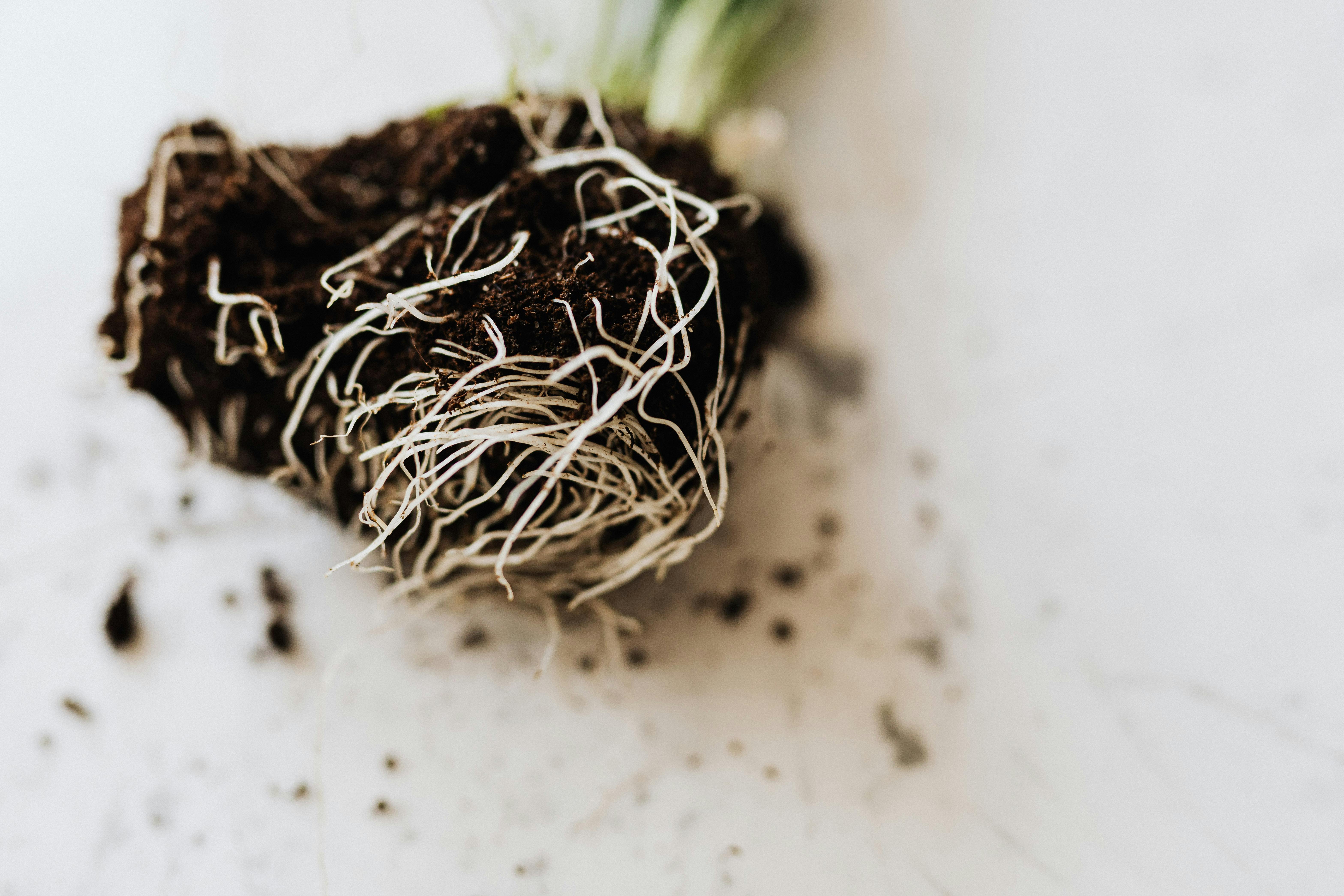
The first monstera I ever killed wasn't from neglect — it was from the wrong soil. I planted my Monstera deliciosa in standard potting mix straight from the bag, the same stuff I used for everything. Within eight months, the medium had become dense, compacted, and chronically wet. The roots rotted quietly for weeks before the leaves gave me any indication something was wrong. By then, it was too late. Now I never plant a monstera in anything I haven't amended myself, and the difference in how those plants grow is remarkable.
What Monstera Roots Actually Need From Soil
To understand what the best monstera soil looks like, it helps to understand what monstera roots are adapted to in their natural Central American rainforest environment. Monstera deliciosa — and related species like M. adansonii, M. thai constellation, and M. albo variegata — grow in tropical forest soils that are rich in organic matter but exceptionally well-draining. Rainfall in these environments is heavy and frequent, but water drains away rapidly through loose, leaf-litter-rich, and porous substrate. Roots are never sitting in standing moisture for long.
Indoors, standard peat-based potting mixes hold far too much moisture for monstera roots to thrive in. They compact over time, reducing oxygen availability in the root zone. Root rot in monsteras is almost always a soil problem as much as a watering problem — even careful waterers can run into trouble if the medium doesn't drain quickly enough. The ideal monstera soil should: drain freely after watering, dry out in the top two to three inches within five to seven days, retain enough moisture to prevent rapid drought stress, and stay loose and aerated over time without significant compaction.
The Best DIY Monstera Soil Mix
After testing several formulas, this is the mix I've settled on for all my monsteras, including a large M. deliciosa, two M. adansonii, and a M. Thai Constellation:
- 50% standard indoor potting mix (I use a quality peat- or coco coir-based brand — the base provides structure and organic nutrients)
- 25% perlite (large perlite particles, not fine — improves drainage and aeration dramatically)
- 15% orchid bark (medium-grade pine bark chunks — creates macro-pore spaces that allow air circulation around roots)
- 10% horticultural charcoal (optional but useful — helps with odor control, minor fungal suppression, and long-term aeration)
This mix drains quickly after watering, dries out appropriately between waterings, and stays loose and aerated for one to two years before needing refreshing. It's chunky enough that I can sometimes hear it "pop" as I water through it — a reassuring sign that air pockets are present throughout the medium. Missouri Botanical Garden's tropical plant care resources support the use of well-amended, free-draining mixes for epiphytic and hemiepiphytic tropicals like monstera, consistent with their natural growing conditions.
Commercial Monstera Mixes: Are They Worth It?
Several companies now sell pre-made "monstera mixes" or "aroid mixes" that are marketed specifically for philodendrons, monsteras, and their relatives. Having tried four or five of these over the years, my assessment is mixed. The better ones — those that include orchid bark, perlite, and coco coir in a chunky, well-aerated formulation — can be excellent and save the time of assembling your own mix. The cheaper ones are often little more than standard potting mix with a small addition of perlite, which isn't a significant improvement over what's already available.
If you choose a commercial monstera mix, look for one with visible bark chunks and perlite throughout, a loose texture that doesn't clump when squeezed, and a coco coir or peat base rather than predominantly bark dust. Gardening Know How's aroid care guides note that aeration is the most critical property of soil for aroids, and that commercial mixes should be evaluated primarily on their drainage and air-holding capacity rather than their marketing claims.
What to Avoid in Monstera Soil
Knowing what to leave out is as important as knowing what to include. The following amendments and mixes consistently cause problems in my experience:
- Heavy garden soil or topsoil: Compacts severely indoors, eliminates drainage, and suffocates roots within weeks.
- Moisture-retaining crystals or water-storing additives: Marketed as helpful, these hold far too much water around monstera roots and dramatically increase root rot risk.
- Straight cactus mix: Too fast-draining for monstera — the plant wilts quickly between waterings, causing stress even without root rot.
- Fine-grade perlite: Tends to compact and sink to the bottom over time, losing its aeration benefit within six months.
- Compost-heavy mixes: High water retention and variable nutrient loads — better for outdoor beds than for the controlled conditions of a houseplant pot.
When and How to Refresh Monstera Soil
Even a good monstera mix breaks down over time. Organic components decompose, pore spaces close, and the medium becomes more compact and water-retentive. I refresh my monstera soil every one to two years — either through full repotting or by top-dressing with fresh mix when the pot isn't yet root-bound.
Signs that your mix needs refreshing: water pools on the surface before absorbing, the soil feels dense and stays wet for more than ten days after watering, roots are visible circling at the top of the pot, or growth has slowed significantly despite good light and consistent feeding. Spring is the ideal time to repot, as the plant is entering active growth and recovers fastest from root disturbance. University of Minnesota Extension's plant science resources recommend spring repotting for most tropical indoor plants as the period of fastest recovery and root re-establishment.
Common Mistakes With Monstera Soil
- Using unammended standard potting mix: Too dense and moisture-retentive for long-term monstera health.
- Not having drainage holes in the pot: Even the best mix becomes waterlogged without drainage. Drainage holes are non-negotiable.
- Packing soil too tightly when repotting: Compressing the mix eliminates the air pockets that keep roots healthy.
- Repotting too frequently: Disturbing roots every year stresses the plant unnecessarily. Repot only when root-bound or when mix has degraded.
- Adding fertilizer to fresh mix: Fresh potting mix usually contains enough nutrients for six to eight weeks. Adding fertilizer immediately can cause burn on new roots.
Quick Reference Care Table
| Mix Component | Proportion | Role in Mix |
|---|---|---|
| Quality potting mix (peat or coco coir base) | 50% | Nutrient base, structure, moisture retention |
| Perlite (large grade) | 25% | Drainage, aeration, prevents compaction |
| Orchid bark (medium grade) | 15% | Macro-pore space, air circulation around roots |
| Horticultural charcoal | 10% | Odor control, minor fungal suppression, aeration |
Frequently Asked Questions
Can I use succulent/cactus mix for monstera?
Not straight — it's too fast-draining for monstera, which needs more moisture retention than cacti and succulents do. However, a 50/50 blend of cactus mix and standard potting soil with added orchid bark makes a reasonable alternative if you don't have perlite on hand. It won't be as optimized as the recommended mix but performs far better than pure potting soil.
Does monstera need fertilized soil?
Fresh potting mix contains enough nutrients to support a monstera for six to eight weeks. After that, regular light fertilization during the growing season (spring through summer) with a balanced liquid fertilizer at half strength every three to four weeks provides everything the plant needs. Monstera are not heavy feeders and over-fertilization causes brown leaf tips and salt buildup faster than most growers expect.
My monstera was repotted a month ago and growth has stalled — is the soil wrong?
A brief pause in growth after repotting is completely normal — the plant is investing energy in root re-establishment rather than new leaves. This adjustment period typically lasts two to six weeks. If growth hasn't resumed after six to eight weeks, evaluate your light and watering conditions before suspecting the soil. Root issues from repotting usually show in the leaves (yellowing, drooping) rather than just slow growth.
The right soil is one of those foundational choices that quietly determines how well your monstera grows for years. Get it right once and you'll rarely need to think about it again. Drop your soil-mixing questions in the comments below, and check out our related posts on managing monstera aerial roots and choosing the right pot for monstera.
About the Author
{AUTHOR} is a passionate gardener and plant enthusiast sharing tips for a greener life.