Best Pots for Indoor Plants
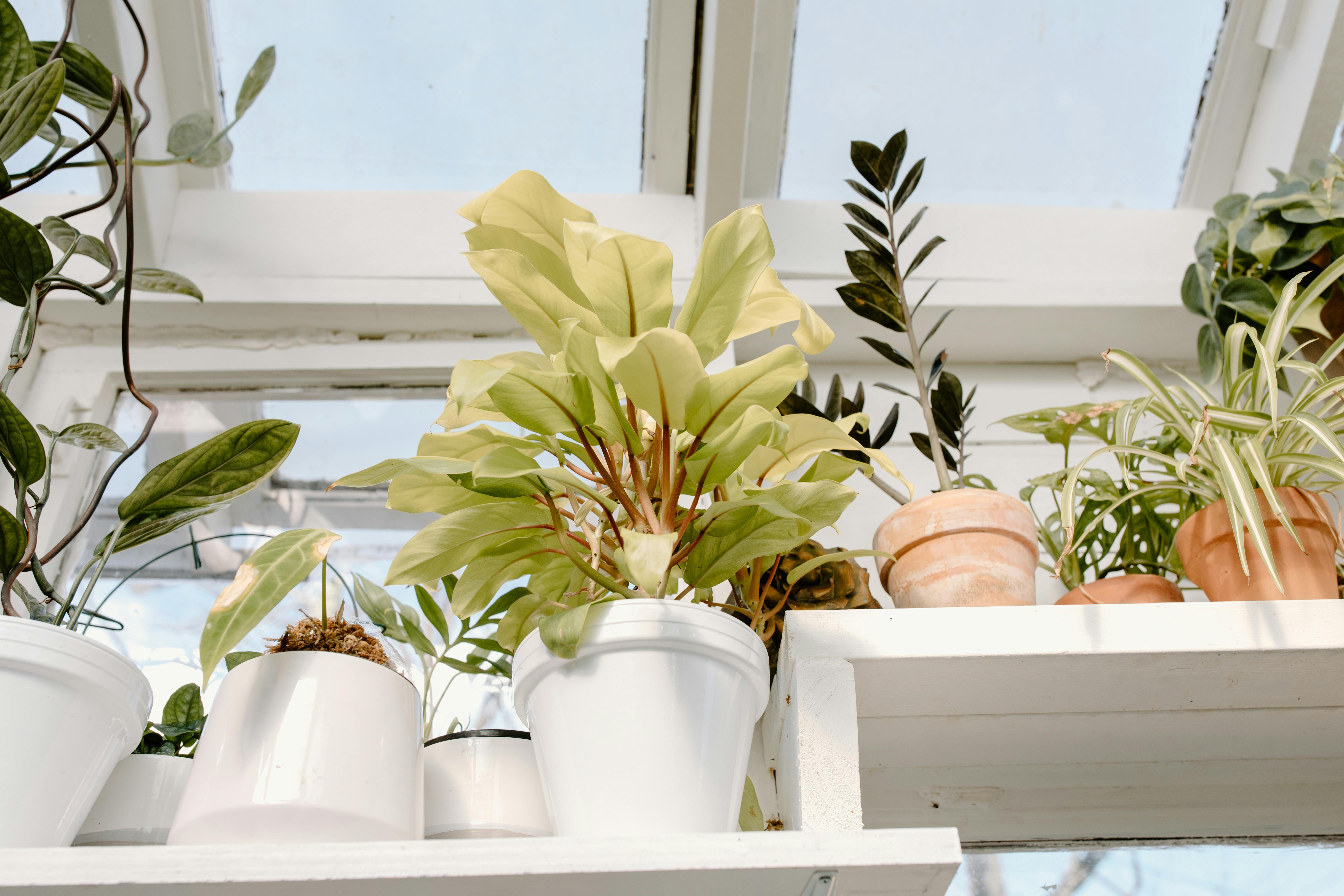
I used to buy pots based on looks. Then I watched a healthy plant decline because the “cute ceramic pot” had no drainage. The moment I switched to using nursery pots inside decorative cachepots (and draining properly), my success rate jumped—especially in winter when soil dries slower in USDA zones 4–7.
Best Pots for Indoor Plants: Drainage, Materials, and Sizes Explained
The best pots for indoor plants support your watering routine. They don’t have to be expensive—but they do need to handle drainage, airflow, and appropriate sizing.
Drainage is the #1 feature
For most plants, I insist on drainage holes. If I use a decorative pot with no holes, the plant stays in a removable nursery pot so I can water at the sink and let it drain fully. When I want a broad baseline on healthy root-zone conditions, I often start with guidance from the Royal Horticultural Society.
Pot materials (what I’ve learned from using them)
Terracotta
Dries faster. Great for snake plants, succulents, and anyone who tends to overwater.
Plastic
Holds moisture longer. Great for thirsty tropicals, but riskier in low light.
Ceramic/glazed
Stable and attractive. Works well when paired with a nursery pot and careful drainage.
How I choose the right pot size
I usually upsize only 1–2 inches wider than the current pot. Big jumps mean extra soil, which holds extra water and can slow dry-down. For practical indoor growing fundamentals—especially why winter slows drying—cooperative extension resources like University of Minnesota Extension are a helpful baseline.
Pair pot choice with soil choice
Even the best pot can’t save a dense, water-holding mix in low light. If you want a forgiving soil blend, see houseplant soil mix recipe. If you’re dealing with watering problems now, see overwatered plant symptoms.
Outdoor timing note
If you move plants outdoors seasonally, pots can dry much faster outside. Climate varies widely, so it helps to understand your region; use the USDA Plant Hardiness Zone Map to frame seasonal timing where you live.
Common Mistakes
- Using pots without drainage holes for moisture-sensitive plants
- Letting nursery pots sit in standing water
- Oversizing “to help it grow faster”
- Not matching terracotta vs plastic to your watering style
- Repotting in winter when growth is slow (unless necessary)
- Ignoring how heavy wet soil becomes in large pots
Quick Reference Care Table
| Pot Type | Dries How Fast? | Best For | Watch Out For |
|---|---|---|---|
| Terracotta | Fast | Snake plant, succulents | Needs more frequent checks |
| Plastic | Slow | Thirsty tropicals | Overwatering in low light |
| Ceramic | Medium | Decor + stability | Trapped water if no drainage |
FAQ
Do I really need drainage holes?
For most plants, yes. If you must use a pot without holes, keep the plant in a removable nursery pot inside it.
How much bigger should a new pot be?
I typically go 1–2 inches wider than the current pot. Bigger jumps often create slow-drying soil and root issues.
Are self-watering pots worth it?
They can be for moisture-loving plants in brighter light, but they’re not universal. I avoid them for succulents and low-light setups.
Choosing the best pots for indoor plants is really choosing a pot that matches your light and watering habits. Tell me your plant and pot type in the comments below, and I’ll help you decide if a different pot would make care easier.
About the Author
Sage Avery is a plant care writer and home horticulture enthusiast with over seven years of hands-on growing experience across indoor tropicals, companion gardens, and balcony food gardens. Growing in USDA Zone 7, Sage has tested dozens of soil mixes, propagation methods, and companion planting combinations and writes from real results, not just theory. Every guide at Plant Companion Guide is written to help beginners avoid the mistakes that cost plants their lives.