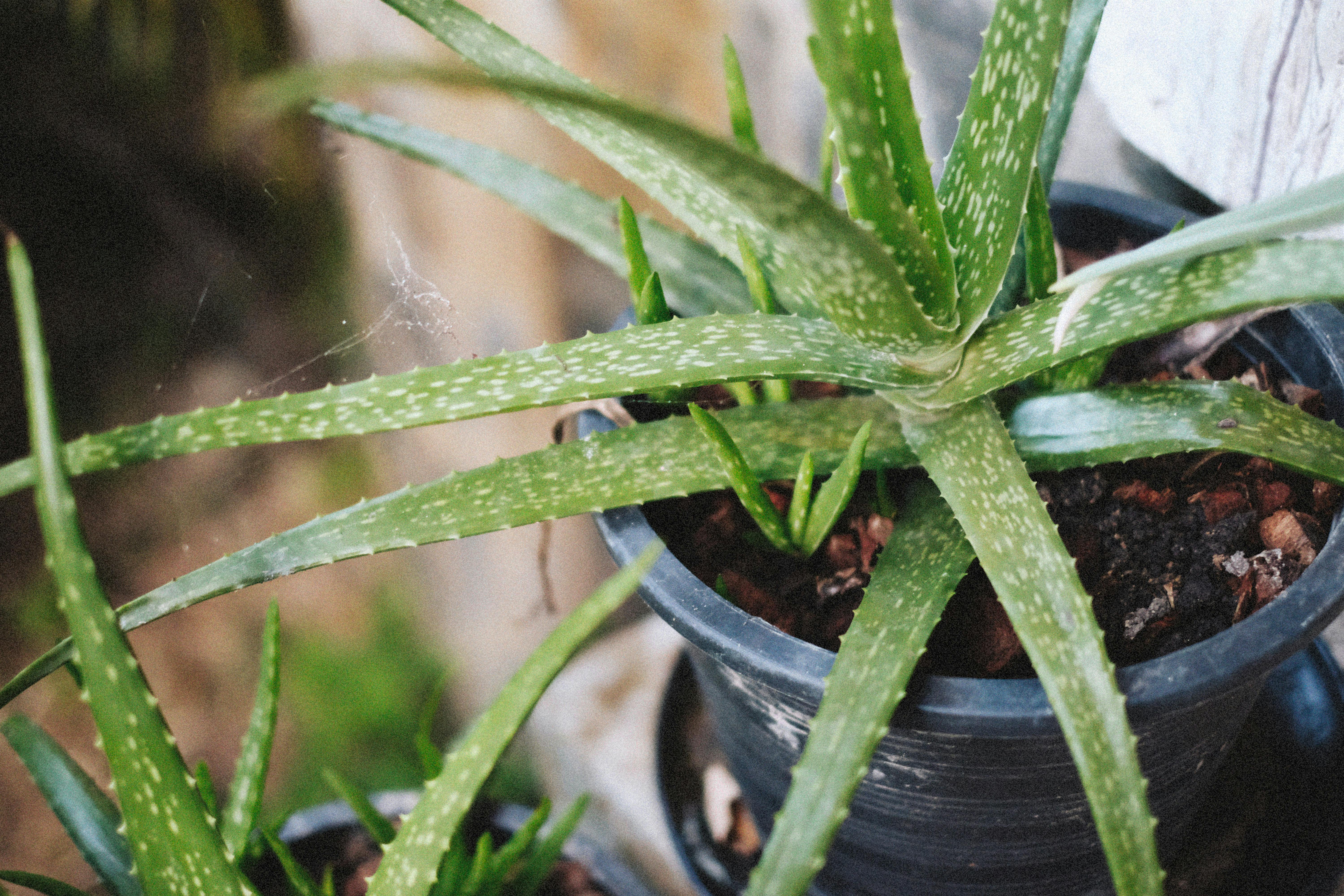
The Healing Succulent: Grow Your Own First-Aid Kit
My kitchen-window Aloe barbadensis miller has provided soothing gel for countless sunburns and kitchen burns. It's a functional, easy-care succulent with a rich history of medicinal use.
Complete Care Basics
- Light: Needs bright, direct sunlight (2,000+ FC) for at least 4-6 hours a day. A south or west window is best. Insufficient light causes weak, floppy growth (etiolation).
- Water: Treat like a succulent. Water deeply only when the soil is completely dry. In winter, water sparingly, perhaps once a month. The leaves will thin and curl slightly when thirsty.
- Soil: Must have excellent drainage. Use a cactus/succulent mix or amend potting soil with 50% perlite or pumice.
- Temperature: Prefers warm conditions (55-80°F). Protect from frost.
- Fertilizer: Light feeder. Fertilize once in spring and once in summer with a balanced, diluted fertilizer.
How to Harvest and Use the Gel
Select a mature, outer leaf. Cut it close to the base with a clean knife. Place cut-side down in a glass for 10 minutes to let the yellow latex (aloin, a laxative) drain out. Rinse, then slice open the leaf and scoop out the clear gel. Apply directly to minor burns or skin irritations. Note: For medicinal use, the National Institutes of Health notes topical efficacy for first-degree burns and psoriasis. Always do a patch test first.
Common Problems
Brown, Soft Leaves: Overwatering/root rot. Let
dry out completely and repot if necessary.
Thin, Curled Leaves:
Underwatering. Soak the pot thoroughly.
Brown Leaf Tips:
Can be from chemical sensitivity (use filtered water) or sunburn
if recently moved.
Pet Safety: While the gel is topically safe, the plant is considered mildly toxic to cats and dogs if ingested, causing vomiting and lethargy due to the saponins and aloin.

About the Author
Sage Avery is a plant care writer and home horticulture enthusiast with over seven years of hands-on growing experience across indoor tropicals, companion gardens, and balcony food gardens. Growing in USDA Zone 7, Sage has tested dozens of soil mixes, propagation methods, and companion planting combinations and writes from real results, not just theory. Every guide at Plant Companion Guide is written to help beginners avoid the mistakes that cost plants their lives.