5-Step Beginner Vegetable Gardening
Introduction: From Dreaming to Harvesting Your Own Food
The idea of walking into your yard or onto your balcony to pick a sun-warmed tomato for your salad is magical, but for many beginners, it feels out of reach. The fear of not knowing where to start, the worry of wasting money on plants that die, and the perceived complexity of soil, sun, and schedules can be paralyzing. You might think you need a huge plot of land or a born-with-it green thumb to succeed. This mental barrier is the biggest hurdle for most aspiring gardeners.
The wonderful truth is that vegetable gardening for beginners is not only possible; it can be simple, affordable, and immensely rewarding. Your first garden doesn't have to be perfect—it just has to begin. This guide is your friendly, practical map to that first harvest. You'll learn a straightforward 5-step process to choose the right spot, select foolproof crops, and care for them with confidence. Let's turn that patch of ground (or that container on the patio) into a source of fresh food and deep satisfaction.
Step 1: Start Small & Smart—The "Right-Size" Garden
The #1 mistake beginners make is starting too big. A large, unmanageable garden leads to overwhelm, weeds, and disappointment. Success is built on small, early wins.
Choose Your Garden Type: Ground, Raised Bed, or Container?
- Containers (Easiest Start): Perfect for patios, balconies, or renters. You control the soil 100%. Start with 2-3 large pots (at least 12-18 inches deep and wide). Cost: $50-$100 for pots, soil, and plants.
- Raised Beds (Excellent for Poor Soil): A 4ft x 4ft or 4ft x 8ft bed is a perfect beginner size. It provides great drainage, warms up faster in spring, and is easy to manage without stepping on the soil. Cost: $100-$200 for lumber and soil.
- In-Ground Plot (Most Traditional): Requires a sunny spot with decent soil. Start with a plot no larger than 10ft x 10ft. You'll need to test and amend your native soil.
For a detailed raised bed construction guide, see The Old Farmer's Almanac Vegetable Gardening Checklist.
Step 2: Find the Sun & Prepare Your Soil
Plants are solar-powered. Your garden's location is the most important decision you'll make.
The 6-Hour Sun Rule
Most vegetables need a minimum of 6 hours of direct sunlight per day. Observe your potential spot over a full day. Leafy greens can manage with 4 hours, but tomatoes, peppers, and cucumbers are sun worshippers. More sun = more fruit.
Building "Beginner's Gold" Soil
Don't stress over complex soil tests yet. For containers and raised beds, use a high-quality, bagged "garden soil" or "potting mix for vegetables." For in-ground plots, mix in 3-4 inches of compost or well-rotted manure into the top 6-8 inches of your existing soil. This instantly improves drainage, fertility, and structure. Think of compost as your garden's superfood. For more on 2025 soil trends, researchers at Penn State Extension have released new guidelines for soil health.
Step 3: Pick Your "First Harvest" Plants
Choosing beginner-friendly vegetables ensures success and keeps your motivation high. These are fast, reliable, and forgiving.
Top 5 Beginner Vegetables (Start with 3!)
- Lettuce & Salad Greens (Leafy): Grows quickly from seed or starter plants. You can cut leaves and they grow back ("cut-and-come-again"). Ready in 30-45 days. Plant in spring or fall.
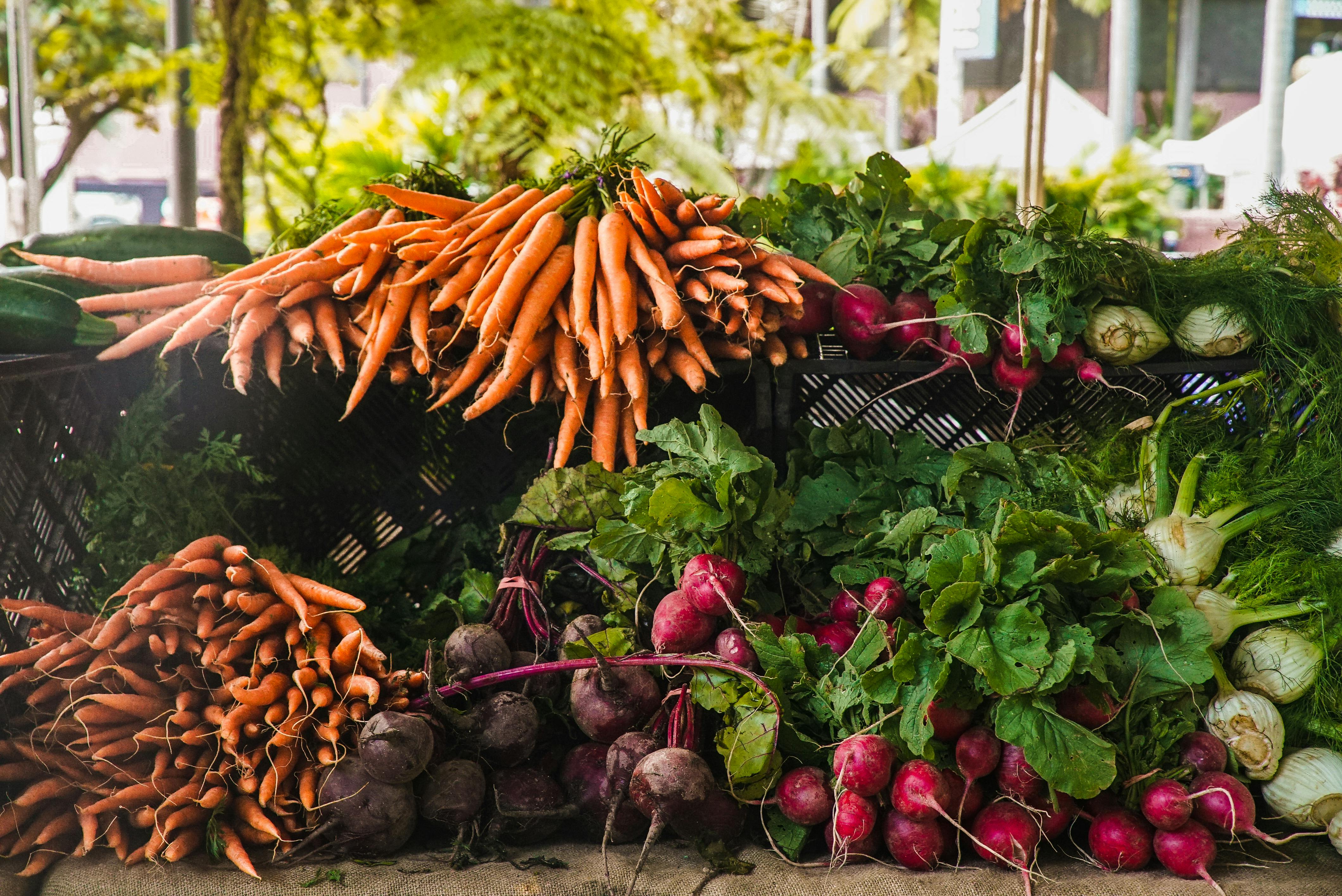
- Radishes (Root): Perhaps the fastest and easiest. Seeds sprout in days, and you harvest crunchy roots in just 25-30 days. Instant gratification!
- Bush Beans (Legume): Simple to grow from seeds directly in the soil after frost. They produce heavily, don't need staking, and improve soil by fixing nitrogen. Harvest in 50-60 days.
- Zucchini or Summer Squash (Fruiting): One or two plants will feed a family. They grow vigorously from seedlings. Just give them space and sun. Harvest in 45-55 days.
- Cherry Tomatoes (Fruiting): The taste of homegrown is unbeatable. Buy a seedling (not from seed your first year). Choose a "determinate" (bush) or "patio" variety for containers. Needs a cage for support. Harvest in 60-70 days.
Pro Tip: Visit a local nursery in spring and buy healthy seedlings ("starts") for tomatoes, peppers, and herbs. It's easier and faster than starting from seed.
Step 4: Plant & Nurture with Confidence
Project Timeline: Your First Weekend (Difficulty: Easy)
Planting Day Guide
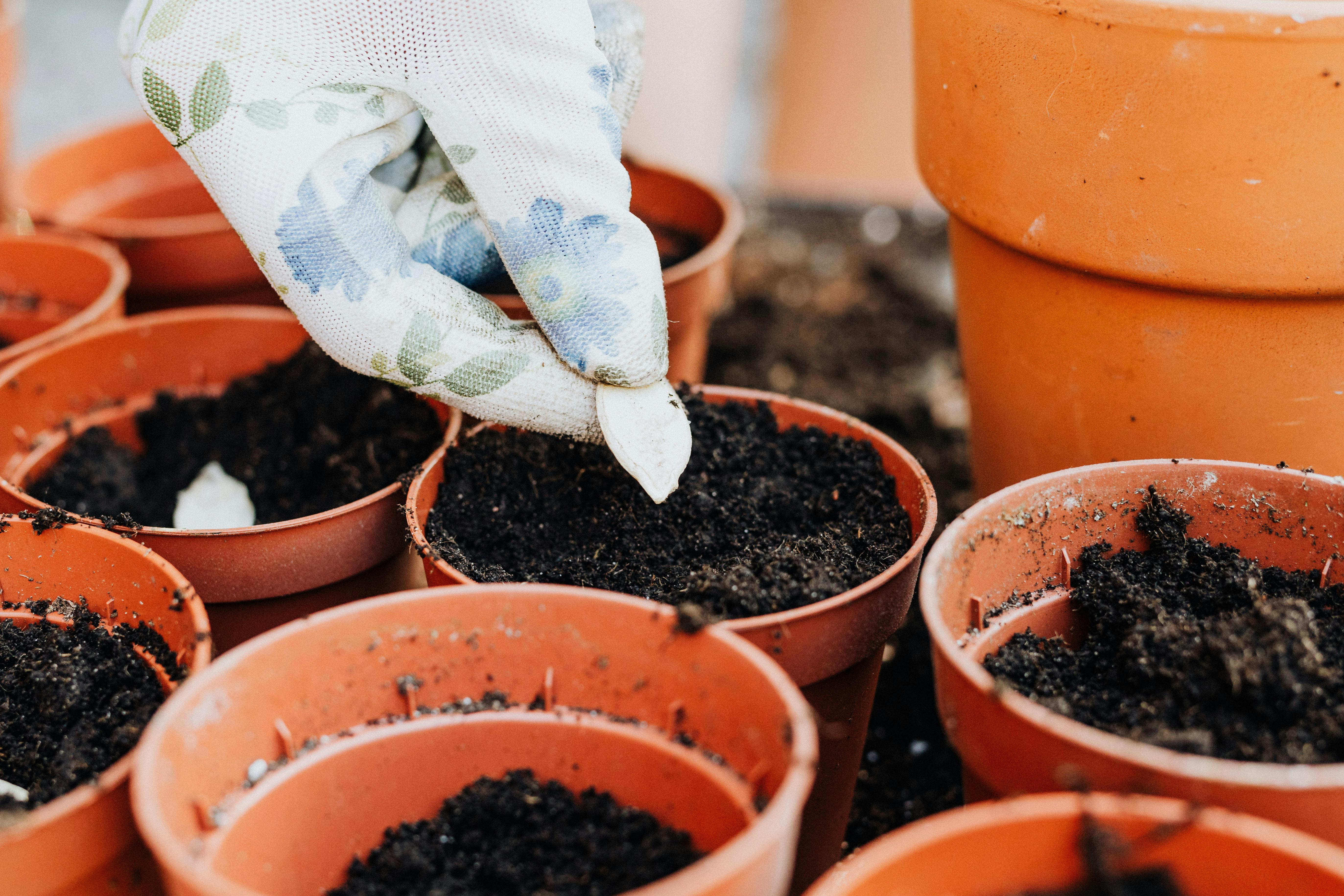
- Read the Tag: Nursery tags or seed packets tell you spacing and depth. Respect them—crowded plants get diseased.
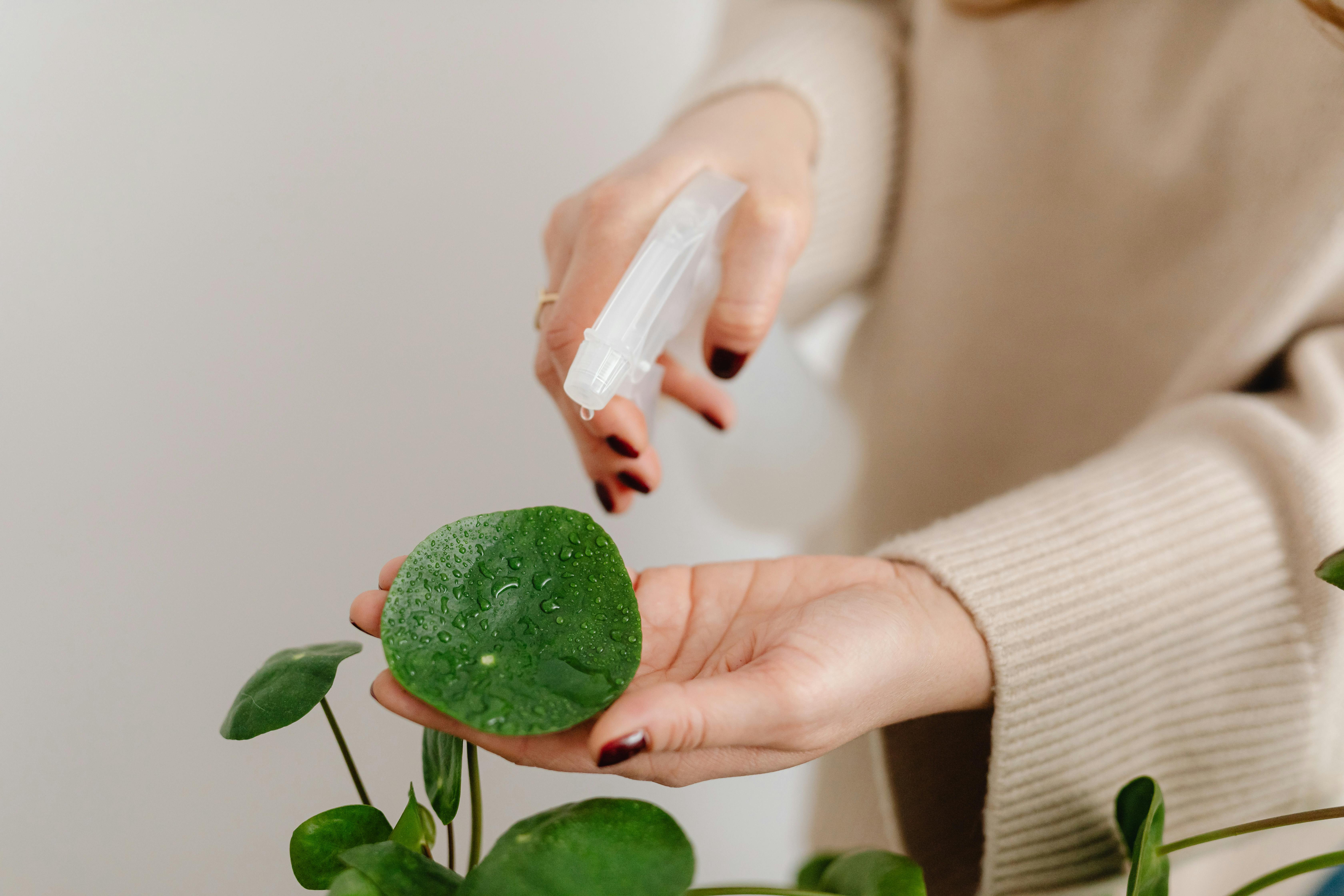
- Watering Wisdom: Water seedlings deeply right after planting. Then, the golden rule is to water deeply and less frequently, encouraging strong roots. Stick your finger in the soil—if the top inch is dry, it's time to water.
- Mulch Magic: After planting, spread a 2-3 inch layer of straw, shredded leaves, or wood chips around your plants. This suppresses weeds, retains moisture, and keeps soil cool. It's a game-changer for low maintenance.
Step 5: Harvest & Celebrate Your Success
This is the most joyful step! Harvesting at the right time ensures the best flavor and encourages more production.
Beginner Harvesting Tips
- Lettuce & Greens: Harvest outer leaves when they are young and tender, or cut the whole plant 1-2 inches above the soil for regrowth.
- Radishes & Root Crops: Pull one to check size. They're best when young; left too long, they become woody.
- Zucchini: Pick when 6-8 inches long for tender fruit. Daily checking is key—they can become baseball bats overnight!
- Beans & Tomatoes: Pick beans when they snap easily. Harvest tomatoes when they are fully colored and slightly soft to the touch.
The simple act of harvesting regularly tells the plant to produce more. Enjoy your bounty immediately—nothing tastes better than food you grew yourself.
Frequently Asked Questions (FAQ)
Q: When is the best time to start my first vegetable garden?
A> For most regions, spring, after the last average frost date, is ideal. You can find your frost date with the Old Farmer's Almanac frost date tool. Cool-weather crops like lettuce and radishes can be planted even earlier. In warmer climates, fall is also a fantastic planting season.
Q: How often do I really need to water?
A> There's no set schedule. It depends on weather, soil, and container size. The finger test is your best guide: dry an inch down = water. In summer heat, containers may need water daily; in-ground beds might need it every 2-3 days. Deep, thorough watering is better than frequent sprinkles.
Q: What about pests? Will I need to use pesticides?
A> Start with the most sustainable method: observation. Check your plants regularly. Pick off large pests like caterpillars by hand. Spray aphids off with a strong jet of water. Encourage beneficial insects like ladybugs by planting flowers nearby. Most beginner gardens won't have major pest issues if the plants are healthy.
Q: I have zero space. Can I really grow food?
A> Absolutely! Container gardening is perfect for you. A single 5-gallon bucket (with drainage holes drilled) can grow a tomato or pepper plant. A window box can grow herbs and lettuce. Focus on crops that produce a lot in a small footprint, like cherry tomatoes, bush beans, and leafy greens.
Conclusion: Your Edible Adventure Starts Now
Embarking on vegetable gardening for beginners is one of the most life-affirming projects you can undertake. By following these five steps—starting small, finding the sun, choosing easy wins, planting with care, and harvesting with joy—you transform uncertainty into capability. Remember, every expert gardener once planted their first seed. Your garden will teach you, surprise you, and nourish you in more ways than one. Don't wait for the "perfect" time. This weekend, get one pot, one bag of soil, and one packet of radish or lettuce seeds. Plant them, tend them, and watch the magic happen. Your journey to fresh, homegrown food begins with that single, simple act.
About the Author
Sage Avery is a plant care writer and home horticulture enthusiast with over seven years of hands-on growing experience across indoor tropicals, companion gardens, and balcony food gardens. Growing in USDA Zone 7, Sage has tested dozens of soil mixes, propagation methods, and companion planting combinations and writes from real results, not just theory. Every guide at Plant Companion Guide is written to help beginners avoid the mistakes that cost plants their lives.