5 Foolproof Low Maintenance Succulents
Introduction: Finding Greenery That Fits Your Life
You love the idea of lush, living decor but your schedule is packed. You've brought plants home with the best intentions, only to find them wilted, overwatered, or etiolated (stretched out) a few weeks later. This cycle of hope and disappointment is a common pain point for busy plant lovers. The truth is, many popular houseplants demand more attention—more precise watering, more humidity, more light—than a hectic lifestyle can provide. You don't have a black thumb; you just need the right, resilient plants.
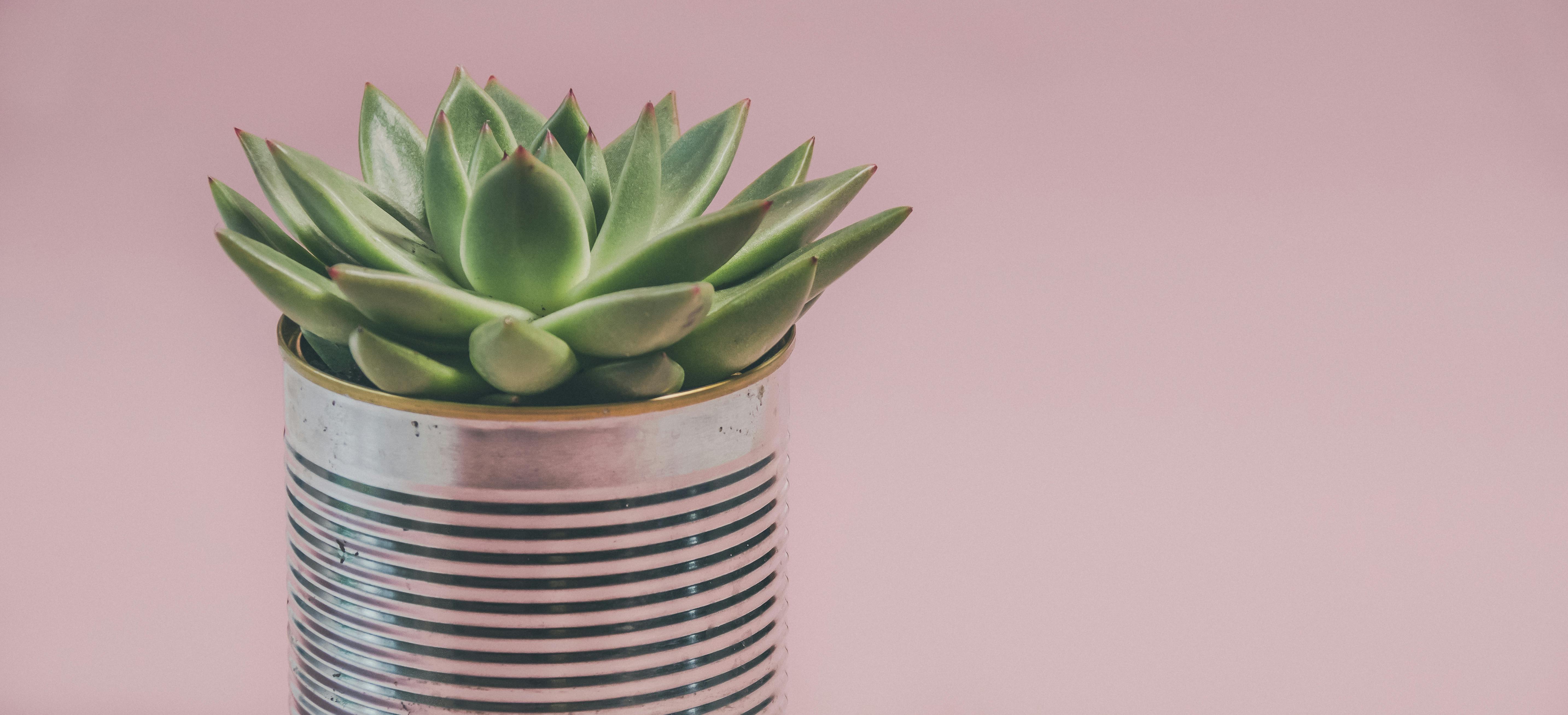
Enter the wonderful world of low maintenance succulents. These botanical marvels have evolved to store water in their leaves, stems, or roots, allowing them to thrive on neglect. They are the perfect solution for bringing natural beauty into your home without adding another demanding task to your list. In this guide, you'll learn about five of the most forgiving succulent varieties, their simple, non-negotiable care rules, and how to create a stunning arrangement that practically takes care of itself. Get ready to enjoy greenery that grows with you, not against you.
The Golden Rules of Succulent Success
Before we meet our top picks, understanding a few core principles will ensure your success. Succulents fail because we treat them like tropical plants. Flip that script with these three rules.
1. The "Soak and Desert" Watering Method
This is the most critical rule. Succulents are adapted to infrequent, heavy downpours followed by long dry periods. Mimic this at home:
- Do NOT water on a schedule. Instead, check the soil.
- The Finger Test: Stick your finger into the soil up to the first knuckle. If it feels dry, it's time to water.
- The Soak: When you water, do it thoroughly. Pour water evenly over the soil until it runs freely out of the drainage hole. This ensures the entire root ball gets moisture.
- The Desert: Then, let the soil dry out completely before even thinking about watering again. This could be every 2-4 weeks, depending on your home's light and humidity.
2. Sunlight: Their Non-Negotiable Fuel
While they are drought-tolerant, most succulents need bright light to maintain their compact shape and vibrant colors. A south or east-facing windowsill is ideal. If your light is limited, choose the more shade-tolerant varieties from our list below. Signs of insufficient light include stretching or "leaning" desperately toward the window.
3. The Right Soil: Drainage is Everything
Regular potting soil holds too much moisture. Your succulents need a gritty, fast-draining mix to prevent root rot. You can buy a pre-mixed cactus & succulent soil or make your own by mixing 2 parts potting soil with 1 part perlite and 1 part coarse sand. For a detailed recipe, check out our DIY Succulent Soil Mix Tutorial.
Top 5 Low Maintenance Succulent Champions
These five varieties have been chosen for their adaptability, unique beauty, and legendary tolerance for occasional forgetfulness.
1. The Unbeatable Snake Plant (Sansevieria)
Yes, it's a succulent! Its sword-like, architectural leaves are water-storing champions that purify the air (as noted in NASA's Clean Air Study). For more on succulent varieties, visit The Spruce Snake Plant Care Guide.
- Light: Extremely flexible. Tolerates low light but thrives in bright, indirect light.
- Water: Water only when soil is bone dry. In winter, this can mean watering only once a month or less.
- Special Perk: It releases oxygen at night, making it a great bedroom plant.
- Difficulty: Very Easy | Cost: $10-$25 for a medium pot.
2. The Cheerful Jade Plant (Crassula ovata)
A symbol of good luck, the Jade Plant is a classic for a reason. Its thick, woody stems and plump, oval leaves give it a miniature tree-like appearance.
- Light: Requires bright light (a sunny windowsill) to thrive and maintain its compact form.
- Water: Use the "soak and desert" method. The leaves will soften slightly when thirsty. Overwatering causes leaf drop.
- Special Perk: It's incredibly long-lived and can be pruned and shaped into a beautiful bonsai over time.
- Difficulty: Easy | Cost: $8-$20 for a small plant.
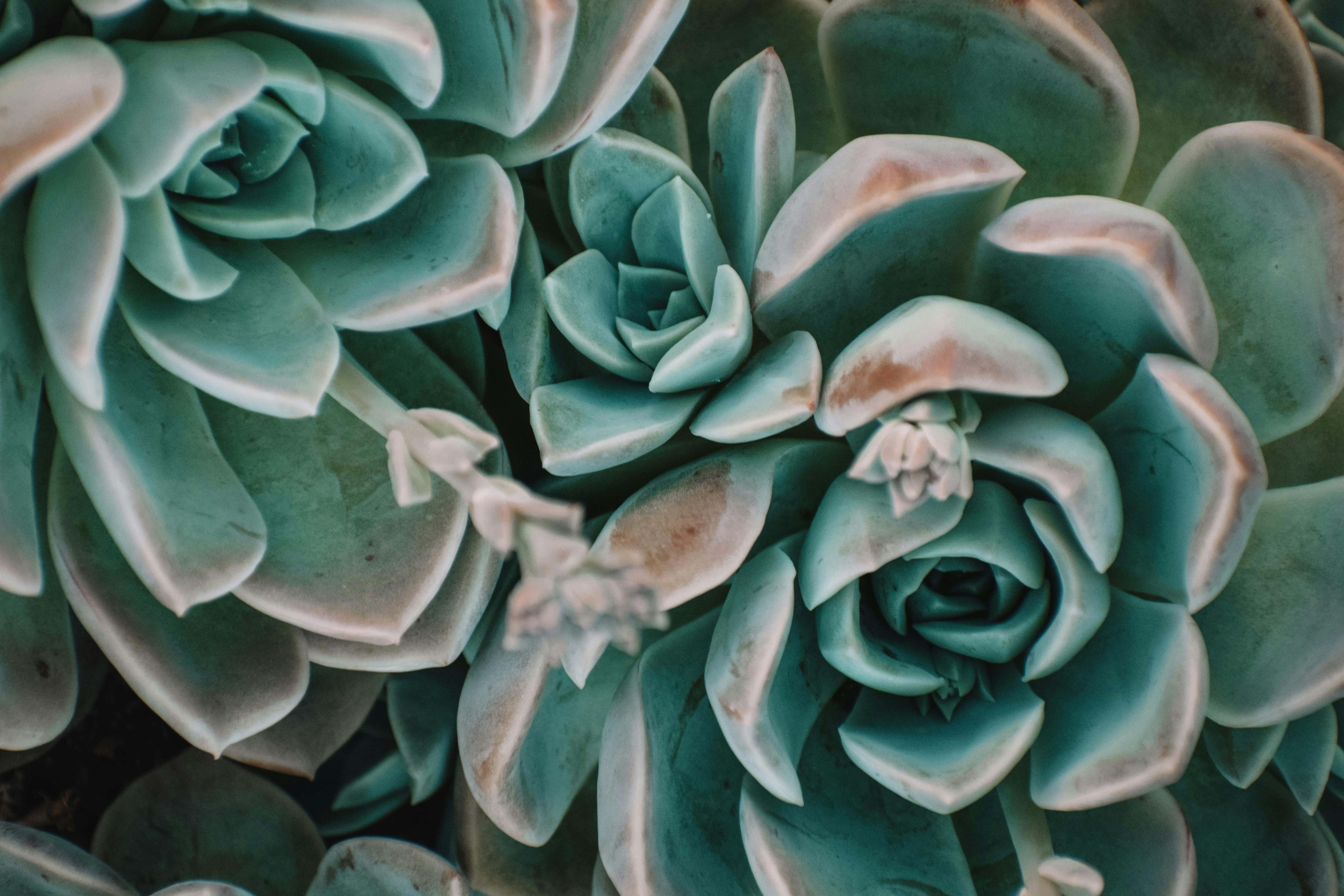
3. The Rosy Hens-and-Chicks (Sempervivum)
This cold-hardy succulent forms beautiful, geometric rosettes. The "hen" sends out offshoots (the "chicks") on stolons, creating a living colony.
- Light: Needs full sun to develop its best colors (reds, purples). Great for sunny outdoor containers in summer.
- Water: Very drought-tolerant. Water only when the soil is completely dry.
- Special Perk: It's monocarpic—the hen dies after flowering, but by then it has produced many chicks to carry on.
- Difficulty: Easy | Cost: $5-$10 for a cluster.
4. The Unique Zebra Haworthia (Haworthiopsis attenuata)
With its dark green leaves striped with raised white bumps, this small, striking succulent is perfect for desks or shelves.
- Light: Prefers bright, indirect light. Can tolerate lower light than many succulents and will scorch in hot, direct afternoon sun.
- Water: Water when soil is dry. It has a shallow root system, so be careful not to overwater.
- Special Perk: It stays relatively small (under 6 inches tall) and propagates easily by producing pups (baby plants) at its base.
- Difficulty: Easy | Cost: $6-$15.
5. The Trailing String of Pearls (Senecio rowleyanus)
This conversation-stopper features cascading stems adorned with tiny, spherical leaves that look like peas on a string.
- Light: Loves bright, indirect light. Some morning sun is beneficial.
- Water: A test of restraint. The pearls will start to pucker and shrivel slightly when they need water. Water thoroughly then. Overwatering causes mushy, yellow pearls.
- Special Perk: Perfect for hanging planters or high shelves where its trails can spill over dramatically.
- Difficulty: Moderate (due to watering sensitivity) | Cost: $12-$25 for a 4" pot.
Creating Your Low-Effort Succulent Dish Garden
Project: Build a 10" succulent bowl. Timeline: 1 hour. Difficulty: Easy.
- Materials & Cost: Shallow, wide pot with drainage hole ($15), cactus/succulent potting mix ($5), small bag of decorative pebbles ($3), 3-5 small succulents from the list above (e.g., 1 Jade, 2 Haworthias, 1 Hen-and-Chick) ($25). Total: ~$48.
- Steps: Fill the pot ¾ full with soil. Arrange your succulents while still in their nursery pots to find a pleasing layout. Plant them, ensuring the base of each is level with the soil surface. Fill gaps with more soil. Top with a ½-inch layer of pebbles to suppress weeds, retain moisture, and add a finished look.
- Aftercare: Do NOT water for 5-7 days to allow any disturbed roots to heal. Then, place in bright light and follow the "soak and desert" method for the whole bowl.
Frequently Asked Questions (FAQ)
Q: I overwatered my succulent! Can I save it?
A> Yes, if you act quickly. Signs are mushy, translucent leaves or a black, soft stem. Remove the plant from its pot, gently brush off wet soil, and cut away any black, mushy roots with sterile scissors. Let the plant air-dry on a paper towel for 1-2 days, then repot in fresh, dry succulent mix. Don't water for a week.
Q: Do succulents need fertilizer?
A> Very little. Fertilize only during their active growing season (spring and summer) with a diluted, balanced liquid fertilizer (like a 10-10-10) at half strength, once a month at most. Never fertilize in fall or winter.
Q: Why are the bottom leaves on my succulent drying up?
A> This is usually normal! As succulents grow, they naturally reabsorb nutrients from their oldest, lowest leaves. The leaves will dry up and can be gently plucked away. It's only a concern if many leaves at once are mushy (overwatering) or shriveled all over (underwatering).
Q: Can I grow succulents in a pot without a drainage hole?
A> It's a high-risk endeavor and not recommended for beginners. If you must, create a deep layer of drainage material (like lava rocks) at the bottom and be extremely cautious with watering. It's far better to use a pot with a hole or drill one yourself.
Conclusion: Embrace the Easy, Joyful Greenery
Cultivating low maintenance succulents is a rewarding way to connect with nature without the stress. By choosing resilient varieties like the Snake Plant, Jade, Hens-and-Chicks, Zebra Haworthia, or String of Pearls, and adhering to the golden rules of bright light, infrequent deep watering, and gritty soil, you set yourself up for effortless success. These plants ask for so little but give so much in return—texture, color, and a quiet sense of accomplishment. Start small with a single Haworthia on your desk or gather a few friends to create a dish garden. Your busy life has room for this simple, growing joy.
About the Author
Sage Avery is a plant care writer and home horticulture enthusiast with over seven years of hands-on growing experience across indoor tropicals, companion gardens, and balcony food gardens. Growing in USDA Zone 7, Sage has tested dozens of soil mixes, propagation methods, and companion planting combinations and writes from real results, not just theory. Every guide at Plant Companion Guide is written to help beginners avoid the mistakes that cost plants their lives.