15 Best Low Light Plants
Bringing Life to Your Shadows
For many urban dwellers and beginners, the dream of a lush indoor garden often hits a literal wall: the lack of sunlight. Whether you live in a north-facing apartment, a basement studio, or simply have a windowless hallway, the frustration of watching sun-loving plants wither is a common pain point. You might feel that your space is destined to remain grey and sterile. However, nature is incredibly adaptive. Many species have evolved under the dense canopies of tropical rainforests where sunlight barely touches the floor. In this guide, we will explore 15 low light indoor plants and related low-light variations that don't just survive in the shadows—they thrive there. You will learn specific care requirements, cost-effective DIY setups, and seasonal maintenance tips to transform your darkest corners into vibrant, oxygen-rich sanctuaries.
Understanding Low Light Environments
Before we dig into the specific varieties, it is vital to understand what 'low light' actually means in a home setting. Generally, this refers to a spot that receives no direct sun beams but has enough ambient light to read a book comfortably during midday. Botanically, these plants are efficient at photosynthesis, often possessing darker green leaves with high chlorophyll content to capture every available photon. According to research on indoor environmental quality, integrating these hardy species can improve mental well-being and air purity without the need for expensive grow lights. For a complete list of suitable species, the Best Low-Light Houseplants report from The Spruce is an excellent resource.
The Heavyweights of the Shadows
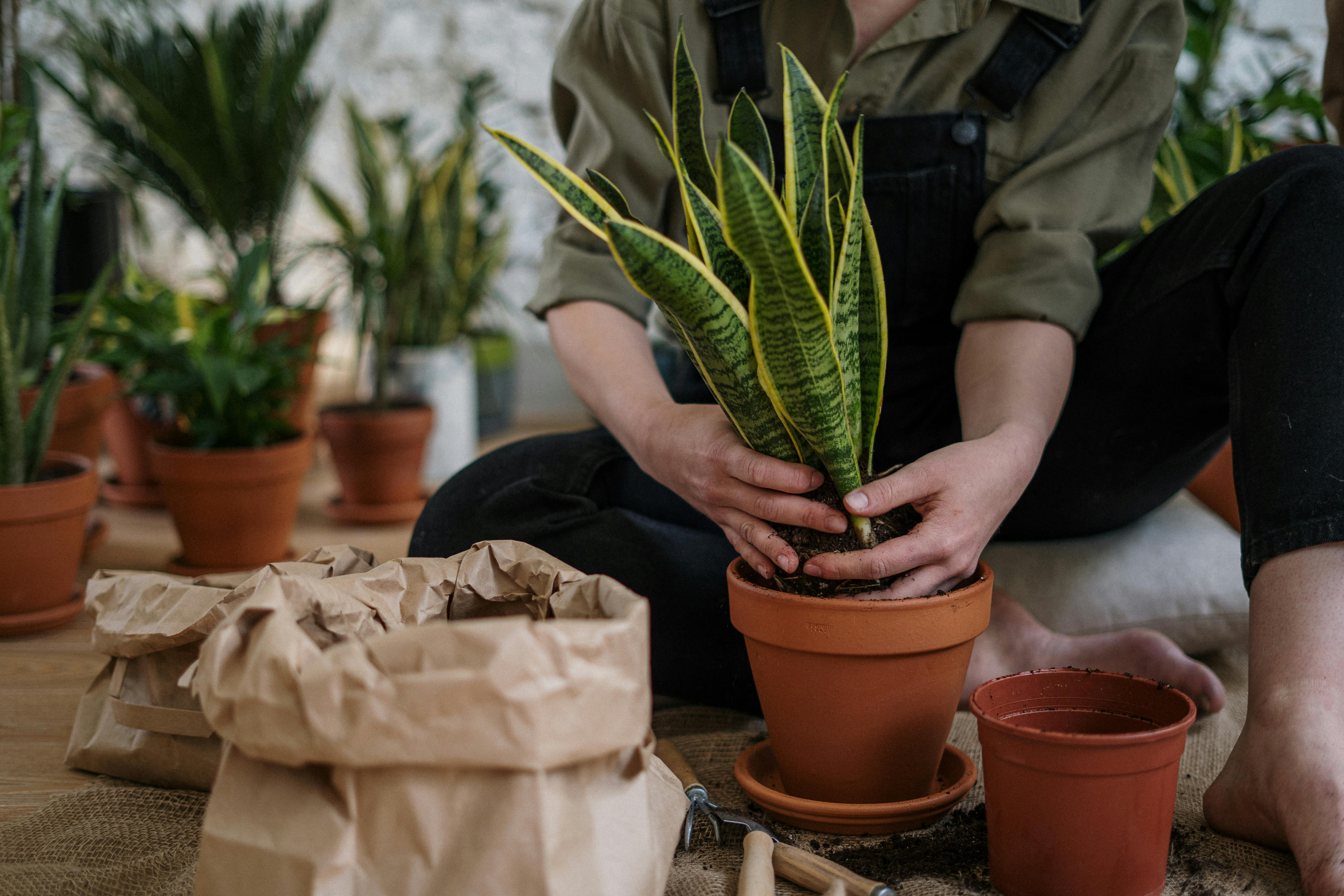
- Snake Plant (Dracaena trifasciata): Perhaps the most famous of low light indoor plants. It is nearly indestructible and filters toxins effectively.
- ZZ Plant (Zamioculcas zamiifolia): Featuring waxy, reflective leaves, it thrives on neglect and can survive months without water.
- Cast Iron Plant (Aspidistra elatior): A Victorian-era favorite that withstands temperature fluctuations and deep shade.
Top 15 Low Light Varieties for Every Home
Each of these plants offers unique aesthetic benefits. Below is a breakdown of 15 varieties, including their related low-light variations to help you choose the right fit for your space.
1. Snake Plant 'Zeylanica'
Difficulty: 1/10 | Cost: $15-$30. This variety features dark green wavy bands and is incredibly drought-tolerant. It is perfect for those who travel often.
2. ZZ Plant 'Raven'
Difficulty: 1/10 | Cost: $25-$45. This stunning related low-light variation starts green and matures into a deep, gothic purple-black. It adds instant drama to any dark shelf.
3. Peace Lily (Spathiphyllum)
Difficulty: 3/10 | Cost: $20-$40. While it loves medium light, it adapts well to lower light. It will signal its thirst by drooping, making it a great 'communicator' for beginners.
4. Heartleaf Philodendron
Difficulty: 2/10 | Cost: $10-$25. A trailing beauty that looks fantastic in hanging baskets. It is more shadow-tolerant than its cousin, the Pothos.
5. Aglaonema (Chinese Evergreen)
Difficulty: 2/10 | Cost: $20-$50. Specifically, look for the darker green leaf varieties, as they handle lower light better than the pink or highly variegated types.
6. Parlor Palm (Chamaedorea elegans)
Difficulty: 4/10 | Cost: $15-$35. A slow-growing palm that adds a tropical feel without needing the scorching sun usually required by palms.
7. Spider Plant (Chlorophytum comosum)
Difficulty: 2/10 | Cost: $10-$20. Highly adaptable. In low light, it may produce fewer 'babies,' but its foliage remains lush.
8. Bird's Nest Fern
Difficulty: 5/10 | Cost: $15-$30. Unlike many ferns, this one is quite hardy. It loves the humidity of a dim bathroom.
9. English Ivy
Difficulty: 4/10 | Cost: $10-$25. Classic and elegant, it can be trained to climb walls or trail from bookshelves.
10. Pothos (Epipremnum aureum)
Difficulty: 1/10 | Cost: $10-$20. Specifically, the 'Jade' Pothos is the best low light indoor plant among the Pothos family because its solid green leaves maximize light absorption.
11. Swiss Cheese Plant (Monstera Adansonii)
Difficulty: 4/10 | Cost: $20-$40. While the larger Monstera Deliciosa needs light, this smaller vining cousin is much more forgiving of shaded nooks.
12. Lucky Bamboo
Difficulty: 1/10 | Cost: $5-$25. Can be grown in just water and pebbles. It is a staple for windowless office desks.
13. Prayer Plant (Maranta leuconeura)
Difficulty: 5/10 | Cost: $15-$30. Its leaves fold up at night. It prefers the indirect, soft light of a dim bedroom.
14. Silver Queen Aglaonema
Difficulty: 2/10 | Cost: $25-$50. A silver-tinted variety that can brighten up a dark corner without requiring direct sun.
15. Rex Begonia
Difficulty: 6/10 | Cost: $15-$35. Known for its incredible leaf patterns, it thrives in the dappled light found in shaded indoor spots.
Seasonal Hands-On Tutorial: Winterizing Your Low-Light Garden
As the seasons shift, your low light indoor plants require different care. In winter, even 'low light' becomes 'ultra-low light' as days shorten. Follow this seasonal timeline to keep them thriving:
- October - November: Reduce watering frequency by half. Most low-light plants go dormant and don't need much moisture.
- December - January: Clean the leaves! Dust acts as a barrier to light. Wipe leaves with a damp cloth to ensure they can capture every bit of winter sun.
- February: Avoid fertilizing. Wait until the first signs of spring growth appear.
DIY Project: Create a 'Reflective Nook.' If a corner is too dark, place a decorative mirror behind your plants. This bounces ambient light back onto the foliage, effectively doubling their light intake for $0 if you upcycle an old mirror.
Eco-Friendly and Sustainable Tips
Sustainability is at the heart of modern gardening. When sourcing your low light indoor plants, consider the following:
- Peat-Free Soil: Choose potting mixes that use coconut coir instead of peat moss to protect vital wetland ecosystems.
- Organic Pest Control: Use a simple DIY mixture of neem oil and water (1 tsp to 1 liter) for seasonal preventative care against spider mites.
- Local Adaptation: Check your local humidity levels. If you live in a dry climate, group your low-light plants together to create a micro-climate that naturally boosts humidity.
Frequently Asked Questions
Can low light plants live in a room with no windows?
Not indefinitely. While they are resilient, all plants need some light for photosynthesis. If a room has zero windows, you should rotate the plant into a brighter room for a few days every week or install a basic LED bulb.
Why are the leaves on my low-light plant turning yellow?
This is usually a sign of overwatering. Because these plants grow slower in the shade, they use less water. Always check that the top two inches of soil are dry before watering again.
Are these plants safe for pets?
It varies. The Parlor Palm and Spider Plant are pet-safe, while the Snake Plant and ZZ Plant are toxic if ingested. Always research specific varieties if you have curious animals.
Conclusion
Gardening in the shadows is not just possible; it is an opportunity to cultivate a unique, moody, and serene atmosphere in your home. By choosing low light indoor plants and their related low-light variations, you are embracing a practical and sustainable way to bring nature indoors. Remember that the key to success lies in patience and observation—learning to 'listen' to what your plants need through their leaves and soil. Start with one hardy Snake Plant or a ZZ Raven today. Your journey toward a greener, more vibrant home starts in the corners you once thought were too dark for life. Would you like me to help you design a specific layout for your apartment's floor plan?
More content goes here. The styles are already set up for headings, paragraphs, lists, and images.

About the Author
Sage Avery is a plant care writer and home horticulture enthusiast with over seven years of hands-on growing experience across indoor tropicals, companion gardens, and balcony food gardens. Growing in USDA Zone 7, Sage has tested dozens of soil mixes, propagation methods, and companion planting combinations and writes from real results, not just theory. Every guide at Plant Companion Guide is written to help beginners avoid the mistakes that cost plants their lives.